Grand designs: Tashkent’s modernist architecture joins UNESCO World Heritage List
A collection of ten modernist structures and urban spaces linked to Tashkent's urban transformation has received UNESCO World Heritage designation. This

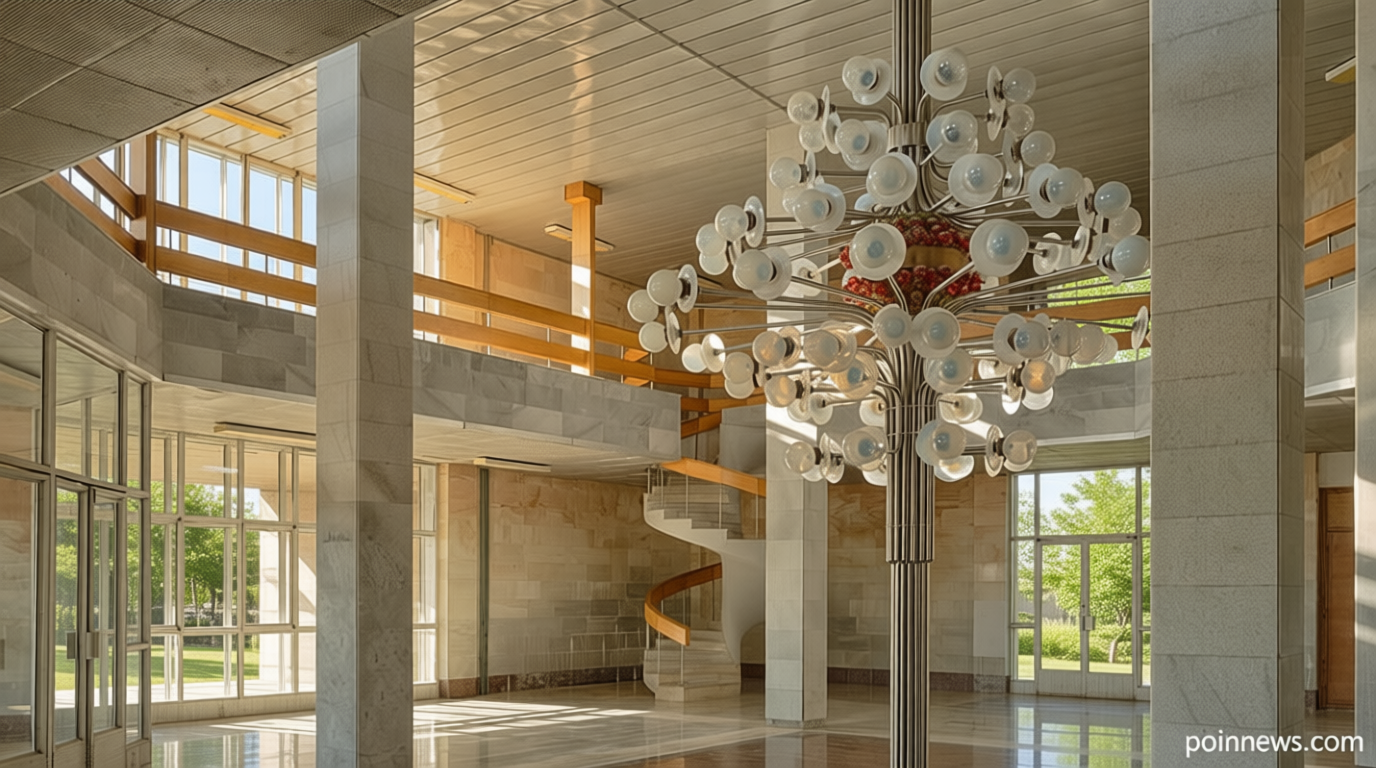
Table of Contents
Tashkent’s Modernist Legacy Earns UNESCO World Heritage Status
Poinews.com – A collection of ten modernist structures and urban spaces linked to Tashkent’s urban transformation has received UNESCO World Heritage designation. This achievement highlights a unique chapter in Central Asian architectural development. The serial property carries the formal name “Tashkent Modernist Architecture: Modernity and Tradition in Central Asia.” These edifices were erected between the 1960s and the beginning of the 1990s.
According to UNESCO, the ensemble demonstrates how international modernist design was tailored to local cultural practices, weather patterns, and earthquake vulnerabilities in the Uzbek capital. The committee reached this decision during its 48th session in Busan, Republic of Korea, which ran from 19 to 29 July 2026. Inscription under criterion IV acknowledges outstanding examples of architectural or urban development that represent a significant period in human history.
Rebuilding After Disaster
Tashkent’s modernist evolution started prior to the catastrophic 1966 earthquake, yet the disaster hastened the city’s reconstruction considerably. Wide avenues, public squares, residential complexes, museums, and cultural institutions transformed the capital. International modernist concepts merged with courtyards, loggias, geometric ornamentation, and monumental artworks rooted in Uzbekistan’s architectural and craft heritage.
Architectural designs also addressed practical regional needs. Deep façades, screens, and shaded areas helped combat intense summer temperatures. Meanwhile, innovative construction techniques responded to the necessity for enhanced earthquake resistance.
The Ten Components
The serial property encompasses the Zhemchug, or “Pearl,” Residential Building; the State Museum of History; the Central Exhibition Hall of the Academy of Arts; Kosmonavtlar Metro Station; the Big Solar Furnace, alternatively called the Sun Heliocomplex; the Peoples’ Friendship Palace; the State Museum of Arts; the State Circus; Chorsu Market; and the Alisher Navoi Cinema Palace. Nine of these ten sites lie along the principal urban axes established during central Tashkent’s reconstruction. The Big Solar Furnace, an experimental scientific complex finished in the late 1980s, is located outside the capital near Parkent.
Collectively, these locations illustrate how modernist architecture served diverse public and daily functions—spanning housing and transportation to museums, entertainment, commerce, and scientific inquiry.
Recognition and Responsibility
“This is recognition of the value not only of individual buildings, but of an entire era,” said Saida Mirziyoyeva, Head of Uzbekistan’s Presidential Administration.
Mirziyoyeva emphasized that post-earthquake architecture united contemporary design, Central Asian traditions, and climate-adapted solutions. Numerous structures remain operational and continue influencing everyday life in Tashkent. Their inscription signals a wider reevaluation of twentieth-century architecture, which has frequently received less preservation than older monuments despite its significance to modern cities’ identity and collective memory.
“These buildings record how Tashkent imagined public life, collective identity and the future through architecture,” Mirziyoyeva said.
Gayane Umerova, Chairperson of the Uzbekistan Art and Culture Development Foundation and of the country’s National Commission for UNESCO, noted that the inscription placed an important part of Uzbekistan’s recent architectural history within the international account of twentieth-century heritage and the global modernist movement.
Mirziyoyeva added that UNESCO recognition entails long-term obligations: conserving these buildings rigorously, maintaining their role in urban life, and transmitting their knowledge to future generations.
Uzbekistan’s Heritage Portfolio
The inscription raises Uzbekistan’s cultural properties on the World Heritage List to six. The remaining five are Itchan Kala in Khiva, the historic centres of Bukhara and Shakhrisyabz, Samarkand – Crossroad of Cultures, and the transnational Silk Roads: Zarafshan-Karakum Corridor. Additionally, the country possesses two natural properties. The Western Tien-Shan, inscribed in 2016, encompasses the Maidantal and Bashkizilsay sections of the Chatkal State Biosphere Nature Reserve in Uzbekistan, celebrated for mountain landscapes, forests, and rich biodiversity. The Cold Winter Deserts of Turan, inscribed in 2023, includes five components in western Uzbekistan: Saigachy, Saigachy-Beleuli, Saigachy-Duana, Saigachy-Zhideyli, and others.
Related Reading
Frequently Asked Questions
What is Grand designs?
Grand designs is the main topic of this guide. The article explains the context, practical details, and next steps readers should understand.
Why does Grand designs matter?
Grand designs matters because readers are looking for a useful answer, not just a short summary. Good content should match search intent and help them decide what to do next.