Europe’s wildfires update: two helicopters collide while battling fire in Greece
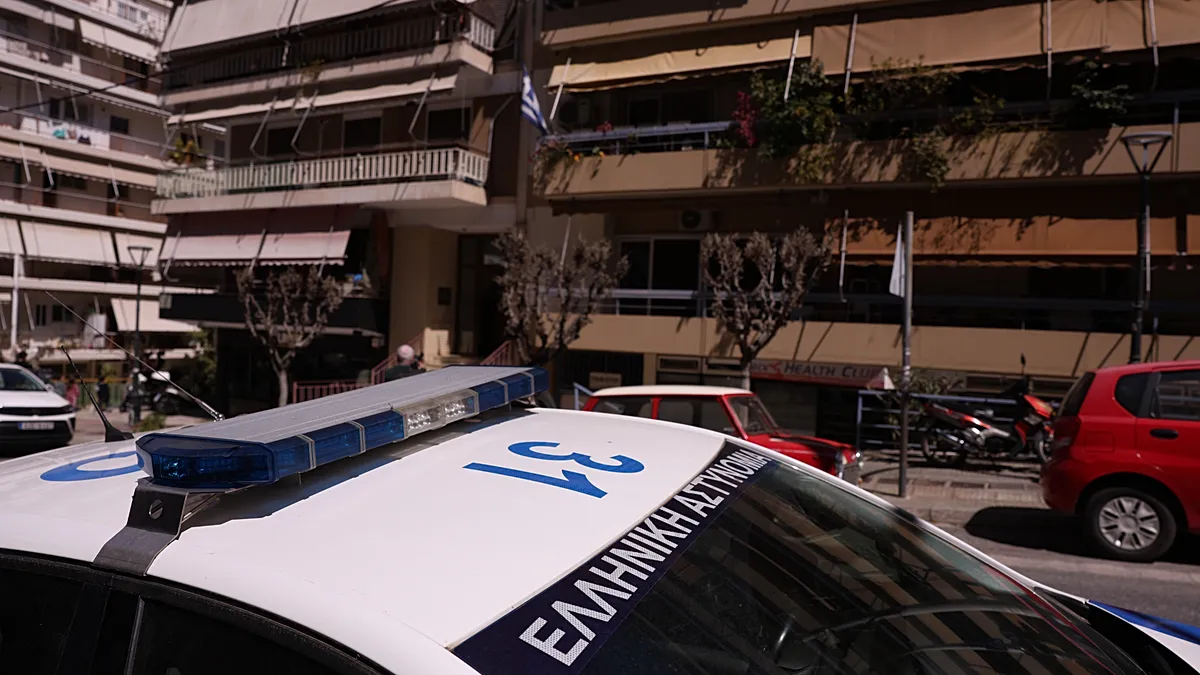
A dramatic mid-air collision between two firefighting helicopters occurred on Sunday in the Psatha district of Athens, adding to the challenges already facing

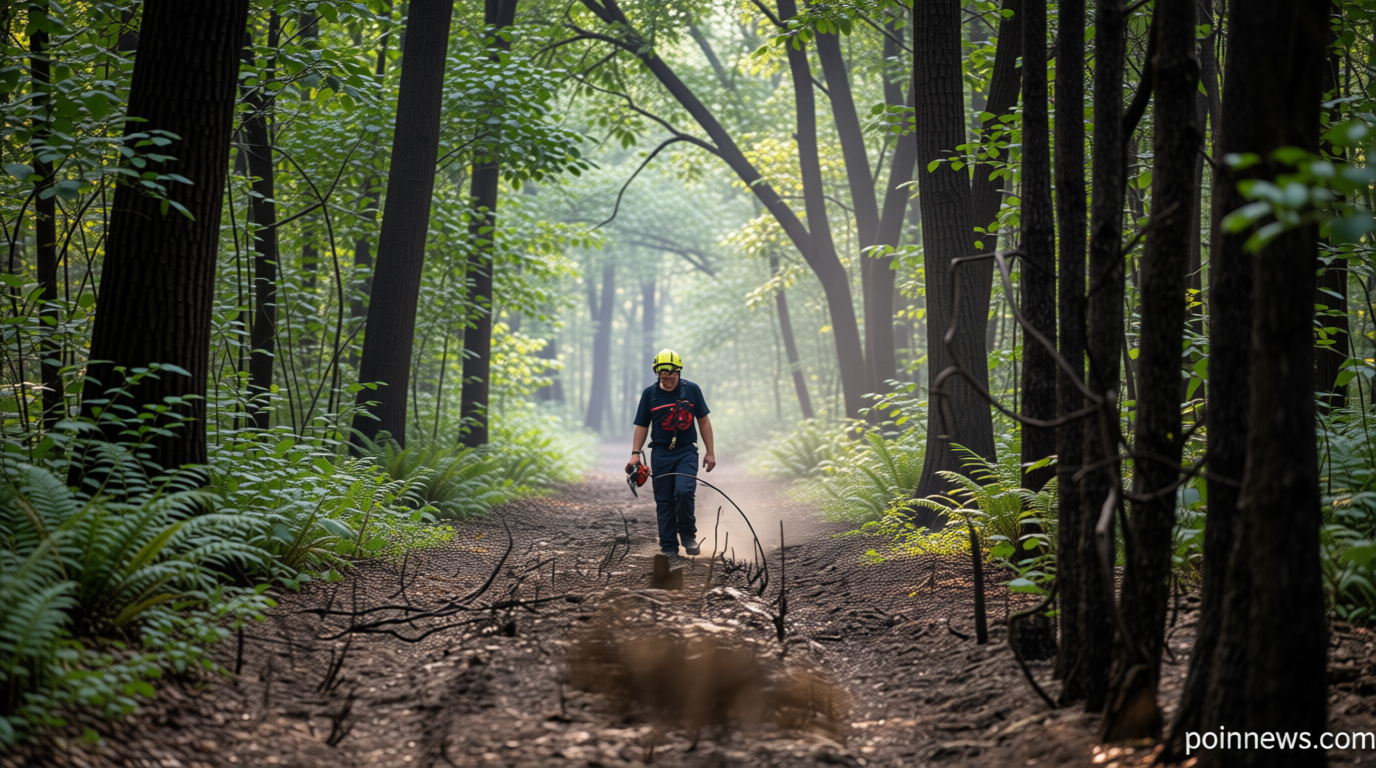
Table of Contents
Helicopter Collision Complicates Greece’s Wildfire Response
Poinews.com – A dramatic mid-air collision between two firefighting helicopters occurred on Sunday in the Psatha district of Athens, adding to the challenges already facing emergency crews. According to the national fire service, search and rescue teams were dispatched immediately to locate and assist both crews involved in the incident.
The collision comes as Greek firefighters continue their exhausting efforts to control numerous blazes across the greater Athens metropolitan area and on the Ionian island of Cephalonia. Strong winds have persisted for several days, dramatically accelerating the spread of flames and increasing the overall damage across the country.
Conditions Remain Challenging Across Multiple Regions
Prime Minister Kyriakos Mitsotakis emphasized that Greece has been experiencing “extreme weather conditions and winds” that frequently reached speeds of 100 kilometres per hour. These gale-force conditions have created particularly difficult scenarios for aerial firefighting operations.
Gale-force winds created “extremely difficult conditions resulting in many cases where aircraft either cannot draw water or cannot carry out drops due to extreme turbulence”, Greece’s Civil Protection Minister Evangelos Tournas said.
For another consecutive night, ground-based fire service units battled flames in regions surrounding Athens, including Attica, Boeotia, and Fokida. Adverse conditions persisted as strong winds continued to blow. Shortly before midnight, a new fire front emerged on Cephalonia, an island in the Ionian Sea.
Although winds subsided somewhat late on Saturday, the civil protection ministry reported that the greater Athens area, nearby Voiotia, and the island of Evia remained under near maximum fire risk on Sunday.
Significant Damage Reported in Affected Areas
Firefighters worked tirelessly to prevent flames from reaching the western outskirts of Athens after the fire scaled a mountain overnight. Porto Germeno and surrounding villages had been evacuated when the fire initially broke out on Friday. Local authorities confirmed that scores of homes were either damaged or completely destroyed.
Theodore Giannaros, a wildfire meteorologist and senior researcher at the National Observatory, provided updated figures on the Porto Germeno fires. He stated that the flames appeared to have affected an area exceeding 10,000 hectares, nearly doubling the original estimate.
“Unfortunately, it is highly likely (if not almost certain) that this particular wildfire will be classified as a megafire,” Giannaros wrote on Facebook.
By Sunday, wildfires across Greece had devastated more than 12,000 hectares of both forest and agricultural land. The country, like much of the Mediterranean region, has been significantly impacted by the climate crisis. Greece experiences wildfires annually due to high temperatures, frequent heat waves, and prolonged drought conditions.
Tragedy Strikes as Firefighters Push to Their Limits
Firefighters have been confronting dozens of fires on a daily basis. Civil Protection Minister Evangelos Tournas noted on Saturday that the fire department had been “pushed to its limits”. Tragically, three firefighters lost their lives this week while on duty—two in Crete and one in the Peloponnese.
Earlier this week, fires on the islands of Crete and Paros had already affected another 6,000 hectares of land.
France Reports Progress in Containing Major Blazes
Meanwhile, France has made significant progress in containing its wildfires in the Bordeaux region and in the southeast. Since the beginning of July, 63,000 hectares of forest and agricultural land have been burnt across the country.
The strongest fire in the Gironde region near Bordeaux is now contained. This blaze ravaged 42,000 hectares and destroyed 240 homes. Prime Minister Sebastien Lecornu announced that “we have returned to a more stable situation”, confirming earlier statements by Interior Minister Laurent Nunez.
Of the 220,000 people who were evacuated, 208,000 have been able to return to their homes. This represents the country’s largest wildfire since 1949.
The fire in the southeastern Var region remains under close surveillance. Regional prefect Simon Babre reported that firefighters have managed to stem the advance of a fast-moving blaze that erupted on Friday. Strong winds had caused the flames to spread “faster than a galloping horse”, he explained, while warning that the situation was still “extremely precarious”.
“We’re staying cautious, because the fight goes on,” he added.
France has been battling wildfires for weeks following a series of deadly heatwaves that dried up riverbeds and vegetation. Scientists have linked these extreme weather events to human-made climate change.
Across France, police have arrested 308 people in connection with the fires, with 33 individuals currently being held in custody.
Spain Continues to Grapple with Multiple Outbreaks
Spain continues to deal with multiple wildfires following the lifting of the national state of emergency that was declared on Thursday. In Zamora, located in northeast Spain, the fire in Fermoselle—which had already burnt 11,134 hectares—flared up again on Saturday near Mámoles.
However, the renewed blaze was brought under control thanks to the deployment of seven helicopters and three aeroplanes. Residents have now been allowed to return to their homes in the affected areas.
Blazes are also sparking back up in Spain’s eastern region of Castellón, though most fires across the country are currently contained or extinguished.
Related Reading
Frequently Asked Questions
What is Europe s wildfires update?
Europe s wildfires update is the main topic of this guide. The article explains the context, practical details, and next steps readers should understand.
Why does Europe s wildfires update matter?
Europe s wildfires update matters because readers are looking for a useful answer, not just a short summary. Good content should match search intent and help them decide what to do next.