Lobster dresses and unmade beds: The best exhibitions to see in Europe
Europe offers an extraordinary array of cultural experiences for art enthusiasts. With its renowned institutions and galleries, the continent consistently

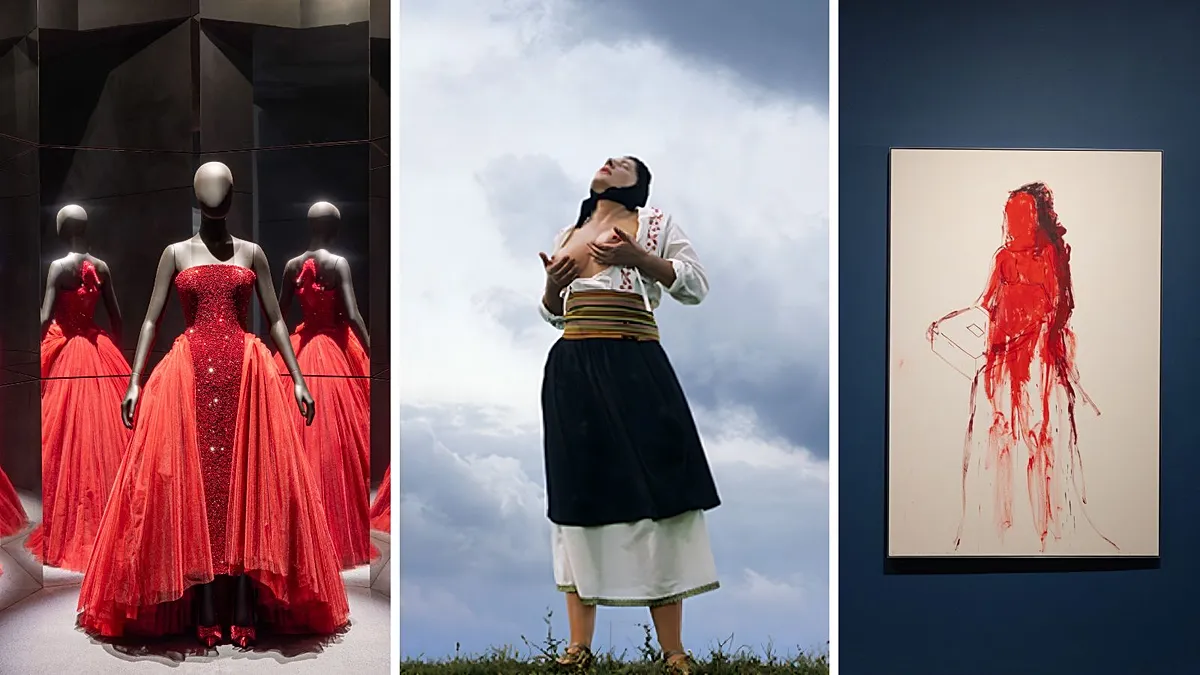
Table of Contents
European Exhibition Guide: Summer 2026 Highlights
Poinews.com – Europe offers an extraordinary array of cultural experiences for art enthusiasts. With its renowned institutions and galleries, the continent consistently presents innovative shows, comprehensive retrospectives, and fresh perspectives on historical narratives. This season features tributes to trailblazers including Alexander Calder, Henri Matisse, Frida Kahlo, Rothko, and Martin Parr, alongside milestone celebrations for Marilyn Monroe and Aardman studios. Additional themes range from samurai warriors to Black British musical heritage and avian beauty.
Coming Soon: Autumn Anticipation
Before diving into current offerings, several anticipated exhibitions await. The British Museum in London will present ‘The Bayeux Tapestry’ starting in September, while Paris’ Musée de l’Orangerie hosts ‘Monet, Painting Time’ during the same month. These additions complement the already rich selection of ongoing displays across the continent.
Avant-Garde Elegance: Schiaparelli at the V&A
The Victoria and Albert Museum’s major showcase celebrates Elsa Schiaparelli with extraordinary flair. Visitors encounter pinecone chokers, footwear-inspired hats, and distinctive lobster-patterned garments within this spectacular presentation of avant-garde creativity. Marking the inaugural UK exhibition devoted entirely to the Italian designer, the display traces her career from the 1920s through contemporary times. By weaving historical pieces with modern interpretations, the exhibition illuminates ambitious artistic vision, creative methodology, and the meaningful connections between haute couture and fine art.
Munch Beyond The Scream
Edvard Munch’s reputation rests heavily on ‘The Scream’ and his expressionist masterpieces capturing profound human suffering. Yet his artistic range extended considerably further. In 1923, he became the pioneering painter commissioned for industrial purposes, producing vivid oil portraits for Norway’s beloved Freia chocolate company. These works predominantly featured female subjects, reflecting the gender composition of Freia’s workforce while documenting a period of significant social transformation.
The MUNCH exhibition presents this lesser-known dimension through archival documents, film footage, and visual materials, expanding our comprehension of Munch’s professional journey while revealing its broader socioeconomic significance.
Abramović’s Epic Performance in Berlin
Marina Abramović consistently delivers unforgettable artistic experiences. Her decades-long career demonstrates remarkable dedication to testing physical and psychological limits through compelling methods—whether maintaining stillness for six hours or allowing observers to witness her cleaning blood from bovine bones.
‘Balkan Erotic Epic’ represents perhaps her most ambitious undertaking. With more than seventy performers participating, this spiritually and sexually charged homage to her Slavic heritage creates an immersive experience that confronts and releases human suffering through powerful performance.
Rothko and Florence: A Spiritual Convergence
Mark Rothko’s celebrated Colour Field paintings evoke transcendent spaces; their ethereal quality seems almost ineffable. Florence proved essential to Rothko’s artistic development, with the city’s architecture and spiritual atmosphere permeating each brushstroke. The Palazzo Strozzi’s significant exhibition brings together these two elements in what may rank among the finest Rothko retrospectives ever assembled.
Encompassing his complete artistic journey, the presentation features over seventy works borrowed from private collectors and distinguished museums worldwide. Under the guidance of Christopher Rothko and Elena Geuna, visitors experience both the breadth of Rothko’s achievements and the profound depth of his creative vision.
Tracey Emin: Raw Honesty at Tate Modern
Unmade beds, neon confessionals, and blood-stained sketches characterize Tracey Emin’s work, which discovers beauty and poetry within life’s difficulties. Following her breakthrough with ‘My Bed’—nominated for the Turner Prize in the 1990s—Emin emerged as a defining force in British contemporary art. Over subsequent decades, her practice has crossed various mediums while maintaining its boundary-pushing character: feminine, unfiltered, and entirely unapologetic.
The Tate Modern’s comprehensive exhibition offers a stunning survey encompassing both celebrated pieces and previously unseen works. Walking through the display feels like entering an intimate journal, its pages marked with fingerprints and emotional traces—truly captivating.
Maria Lassnig and Edvard Munch: Painting Flow = L
Completing this season’s highlights, the exhibition exploring Maria Lassnig alongside Edvard Munch presents ‘Painting Flow = L,’ offering yet another opportunity to engage with exceptional European artistic expression during this vibrant cultural moment.
Related Reading
Frequently Asked Questions
What is Lobster dresses and unmade beds?
Lobster dresses and unmade beds is the main topic of this guide. The article explains the context, practical details, and next steps readers should understand.
Why does Lobster dresses and unmade beds matter?
Lobster dresses and unmade beds matters because readers are looking for a useful answer, not just a short summary. Good content should match search intent and help them decide what to do next.