The longest musical composition in the world changes chords for the first time in two years
The longest musical composition in the world continues its unprecedented journey through time, marking yet another milestone in this extraordinary musical

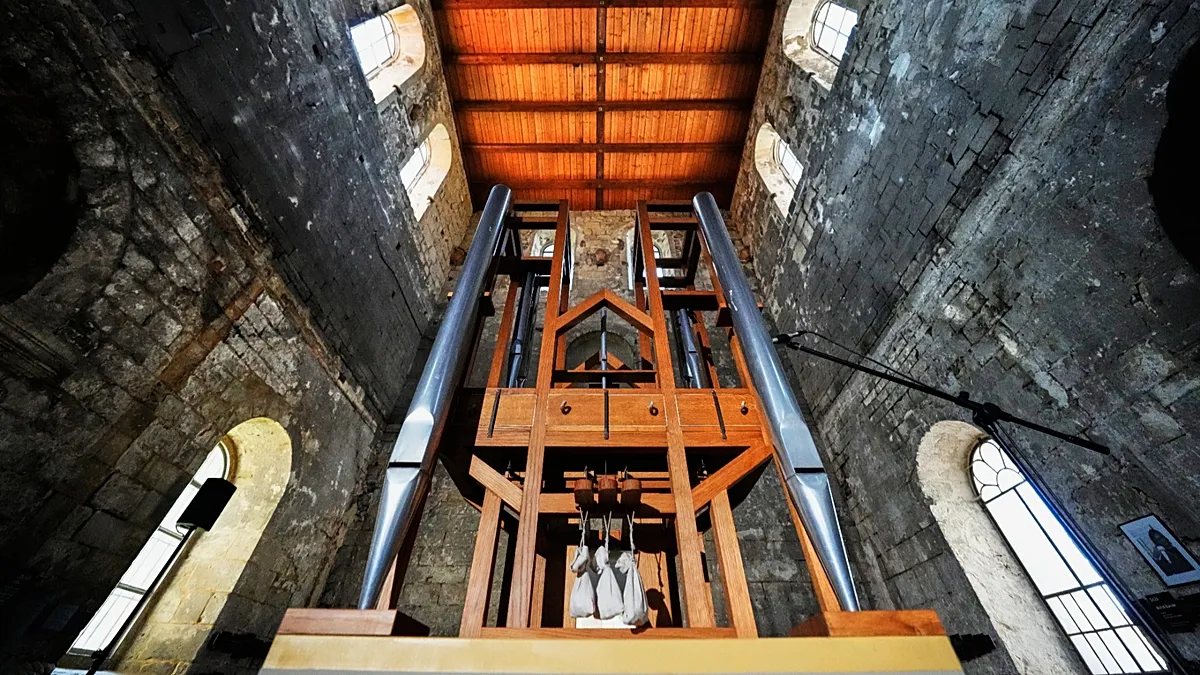
The Longest Musical Composition Changes Chords After Two Years
Poinews.com – The longest musical composition in the world continues its unprecedented journey through time, marking yet another milestone in this extraordinary musical endeavor. While performers like Bruce Springsteen and The Cure are celebrated for their marathon concerts that test audience endurance, a German organ has set a new standard for longevity. The instrument in Halberstadt, located in eastern Germany, is currently performing what may be the slowest concert ever staged. Aptly named ‘ORGAN²/ASLSP (As SLow aS Possible)’, this extraordinary piece commenced on September 5, 2001, within the medieval walls of St Burchardi church. Its conclusion is not expected until the year 2640.
How the Infinite Performance Works
The mechanism behind this endless musical endeavor is elegantly simple. An electric-powered blower system continuously pumps wind into the organ, generating a perpetual tone. Since no human musician could maintain the necessary pressure on the keys for centuries, the chord alterations are executed manually. Small sandbags serve as weights to keep specific keys depressed, allowing the sound to persist between changes.
Originally composed for piano in 1985, the avant-garde American creator John Cage adapted the work for organ before his passing in 1992. He provided no explicit duration for the piece, offering instead a single enigmatic instruction: “ASLSP,” which translates to “as slowly and softly as possible.” The organizers of the project have interpreted this directive with remarkable literalism.
Today’s Historic Chord Shift
On this particular day, the composition undergoes one of its rare transformations. The addition of an A4 pipe increases the note count from seven to eight, marking the seventeenth alteration in the project’s history. This milestone represents approximately four percent of the total 639-year undertaking. The previous modification occurred two years prior, on February 5, 2024.
Each chord change in the John Cage Organ Project Halberstadt generates considerable attention, attracting thousands of spectators eager to witness the musical evolution. The next scheduled alteration will occur on October 5, 2027, when the E4 sound—originally introduced on September 5, 2020—will be released.
A Legacy for Future Generations
For those contemplating a truly lasting gift, the organizers are already offering inheritable “final tickets” for the concluding performance on September 4, 2640. These commemorative passes are priced at €2,640, ensuring that your descendants will possess bragging rights when they attend the ultimate note of the longest composition ever created.
“ASLSP,” meaning “as slowly and softly as possible.”
This fitting tribute honors a visionary composer who challenged conventional perceptions of musical form and duration.
Frequently Asked Questions
What makes this the longest musical composition in the world?
The longest musical composition in the world holds this distinction because it is scheduled to last 639 years, from 2001 until 2640. Unlike traditional compositions that last minutes or hours, this piece progresses so slowly that chord changes occur only every few years, making it the most enduring musical work ever conceived.
Who created the longest musical composition and when?
John Cage originally composed the piece for piano in 1985. He later adapted it for organ before his death in 1992. The Halberstadt organ performance began on September 5, 2001, and will continue until the year 2640, spanning more than six centuries of continuous sound.
How often does the longest musical composition change chords?
Chord changes in the longest musical composition occur approximately every two years. The seventeenth change took place recently, with the previous modification happening on February 5, 2024. Each change involves adding or releasing specific organ pipes, gradually building the musical texture.
Can visitors attend the final performance of the longest musical composition?
Yes, the organizers offer inheritable final tickets for the concluding performance on September 4, 2640. Priced at €2,640, these commemorative passes allow families to secure their place in musical history, ensuring that descendants can witness the ultimate note of the longest composition ever created.
What is the significance of the ASLSP instruction?
ASLSP stands for “as slowly and softly as possible,” which is the only duration instruction John Cage provided for this work. The organizers have interpreted this literally, creating a performance that progresses at an unprecedented pace, with each chord change representing a careful balance between slowness and subtlety.