How to avoid tick bites and diseases they spread this summer
From spring through autumn, ticks roam freely across forests, grasslands, parks, gardens, and virtually any European landscape where vegetation grows. These

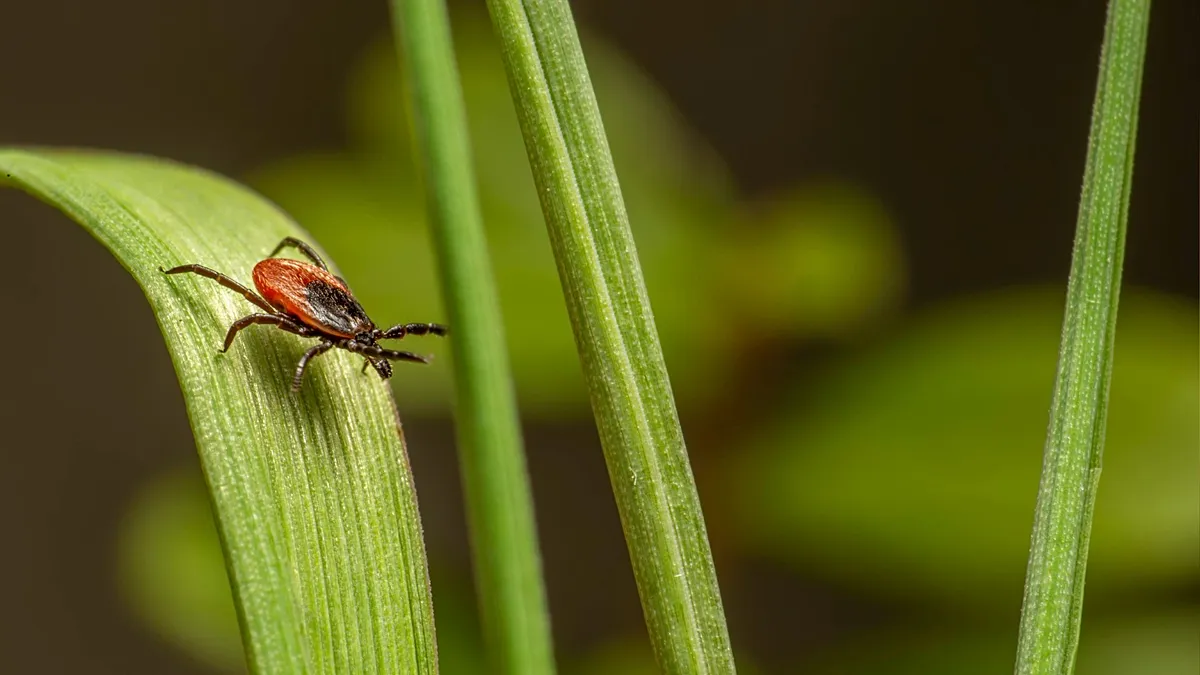
Table of Contents
Summer in Europe Means Watching for Ticks — Here Is How to Stay Safe
Poinews.com – From spring through autumn, ticks roam freely across forests, grasslands, parks, gardens, and virtually any European landscape where vegetation grows. These tiny arachnids are vectors for serious illnesses, most notably Lyme borreliosis and tick-borne encephalitis (TBE). Staying indoors all season is neither practical nor necessary; a short investment of time in preparation and post-outdoor inspection dramatically lowers your risk.
Preventing the Bite
Before heading into woodland, a trail, or even a suburban garden, dress with intent. Long trousers tucked into socks or boots, paired with long sleeves, create a physical barrier. Choosing light-coloured garments makes any attached tick far easier to notice. Apply an approved insect repellent to exposed skin and fabric, observing the manufacturer’s directions.
Behaviour matters as much as clothing. Ticks typically perch on blades of grass or low branches, waiting for a passing host. Staying on maintained paths instead of brushing through dense undergrowth, tall grass, or thickets cuts your exposure sharply. This discipline is especially important during hiking, camping, gardening, or extended time in parks and woodland.
After You Come Home: The Inspection
Once back indoors, perform a thorough check. Focus on skin folds, the groin, armpits, the waistline, and the backs of the knees. Children’s heads and necks deserve particular scrutiny. Do not overlook pets — inspect them as well.
Removing a Tick Safely
If you discover a tick embedded in your skin, act promptly. Because Lyme disease is unlikely to be transmitted within the first few hours after attachment, early removal meaningfully reduces risk. Use fine-tipped tweezers to grip the tick as close to the skin surface as possible, then pull straight upward with steady, gentle force — no twisting, no jerking. Afterwards, wash the bite site and your hands with soap and water, and apply an antiseptic to the area.
Understanding the Two Main Diseases
Lyme borreliosis is a bacterial infection. In most cases it responds well to a course of antibiotics. At present there is no licensed vaccine against it, which makes bite prevention and swift tick removal the primary lines of defence.
Tick-borne encephalitis follows a different pattern. It is viral in origin and can invade the central nervous system, occasionally producing meningitis or encephalitis. No specific antiviral therapy exists for TBE, but vaccination remains one of the most effective strategies for preventing infection.
Related Reading
Frequently Asked Questions
What is How to avoid tick bites and diseases?
How to avoid tick bites and diseases is the main topic of this guide. The article explains the context, practical details, and next steps readers should understand.
Why does How to avoid tick bites and diseases matter?
How to avoid tick bites and diseases matters because readers are looking for a useful answer, not just a short summary. Good content should match search intent and help them decide what to do next.