Spanish strawberries among Europe’s cleanest, study finds low pesticide levels
Spanish Strawberries Among Europe’s Cleanest - Study Shows Low Pesticide Levels Spanish strawberries among Europe s cleanest - Recent findings from a

Spanish Strawberries Among Europe’s Cleanest – Study Shows Low Pesticide Levels
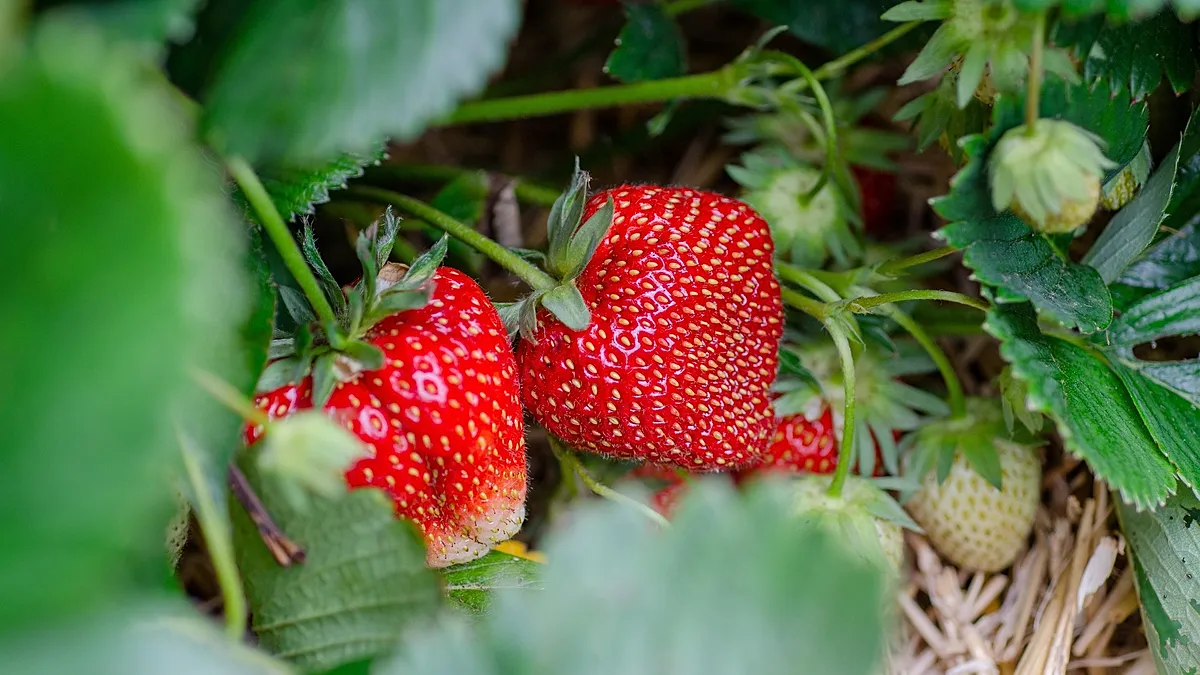
Poinews.com – Recent findings from a comprehensive study reveal that Spanish strawberries are among the cleanest in Europe, with significantly lower pesticide residues compared to other regions. Conducted by PAN Europe in partnership with several environmental and consumer-focused organizations, the research analyzed strawberries from 11 countries across the continent. The results highlight Spain’s commitment to sustainable agricultural practices, positioning its fruit as a safer option for health-conscious consumers. This discovery has sparked renewed interest in the country’s farming methods, particularly its ability to produce high-quality produce while minimizing chemical exposure.
Understanding Pesticide Residues in Strawberries
Pesticides are a common concern in fruit production, and strawberries are among the most contaminated crops globally. The study found that 88% of strawberries tested across Europe had detectable levels of pesticide residues, with 58% containing PFAS, or ‘forever chemicals,’ which persist in the environment and the human body for decades. These substances, often used in conventional farming, are linked to long-term health risks, including hormonal disruption and cancer. Despite this, Spanish strawberries stand out for their reduced chemical footprint, making them a notable example of cleaner produce in the region.
The research team emphasized that while many pesticides used in Europe are classified as high-risk, Spain’s strawberry farms have managed to limit their use effectively. Over half of the pesticides identified in the study were flagged for replacement since 2011 due to their harmful effects. This suggests that Spain may be ahead of regulatory trends by adopting more stringent practices earlier than required by EU law. The findings also align with growing consumer demand for organic and eco-friendly options, which Spain’s strawberries are well-positioned to meet.
Spain’s Agricultural Practices and Environmental Impact
Spain’s success in producing low-pesticide strawberries is attributed to its diverse agricultural strategies and focus on soil health. Farmers in regions like Andalusia and Extremadura have integrated techniques such as crop rotation, natural pest control, and reduced synthetic fertilizer application. These methods not only lower chemical residues but also improve biodiversity and water conservation. The study noted that Spain’s strawberry production requires less water than many other European countries, addressing concerns about resource-intensive farming.
Additionally, the use of organic certification programs has played a key role in ensuring the safety of Spanish strawberries. Organic farms in Spain adhere to strict guidelines that prohibit synthetic pesticides, resulting in strawberries that are entirely free of residues in all tested samples. This contrasts sharply with conventional farms, where even the best-performing samples contained two pesticides within legal limits. The difference underscores the importance of organic farming in reducing environmental and health risks, reinforcing the idea that Spanish strawberries are among Europe’s cleanest.
“The data clearly shows that Spain’s strawberries offer a compelling case for safer agricultural practices,” said Kistiñe García, a toxicologist at Ecologistas en Acción. “While conventional farming still poses risks, the country’s organic approach demonstrates how clean produce can be achieved without compromising yield or quality.”
Experts also pointed out that Spain’s strawberry industry benefits from its Mediterranean climate, which naturally reduces pest infestations and minimizes the need for chemical interventions. This climate advantage, combined with proactive policies and farmer education, has created a model that other European countries could emulate. The study further noted that Spain’s strawberry production is less likely to contribute to soil and water contamination, which is a major issue in regions with heavy pesticide use.
With the growing awareness of pesticide dangers, the findings about Spanish strawberries among Europe’s cleanest could influence food purchasing decisions. Consumers are increasingly seeking fruits with lower environmental impact, and the study’s results support Spain’s position as a leader in this regard. Moreover, the data reinforces the need for stricter pesticide regulations across the EU, as Spain’s practices prove that safer alternatives are viable and effective. The long-term benefits of these efforts include reduced health risks, lower ecological damage, and a stronger market for sustainably grown produce.