EU migration rules kick in, but enforcement is already in doubt
EU migration rules kick in but enforcement is already in doubt EU migration rules kick in but enforcement - On June 12, 2026, the EU Pact on Migration and

EU migration rules kick in but enforcement is already in doubt
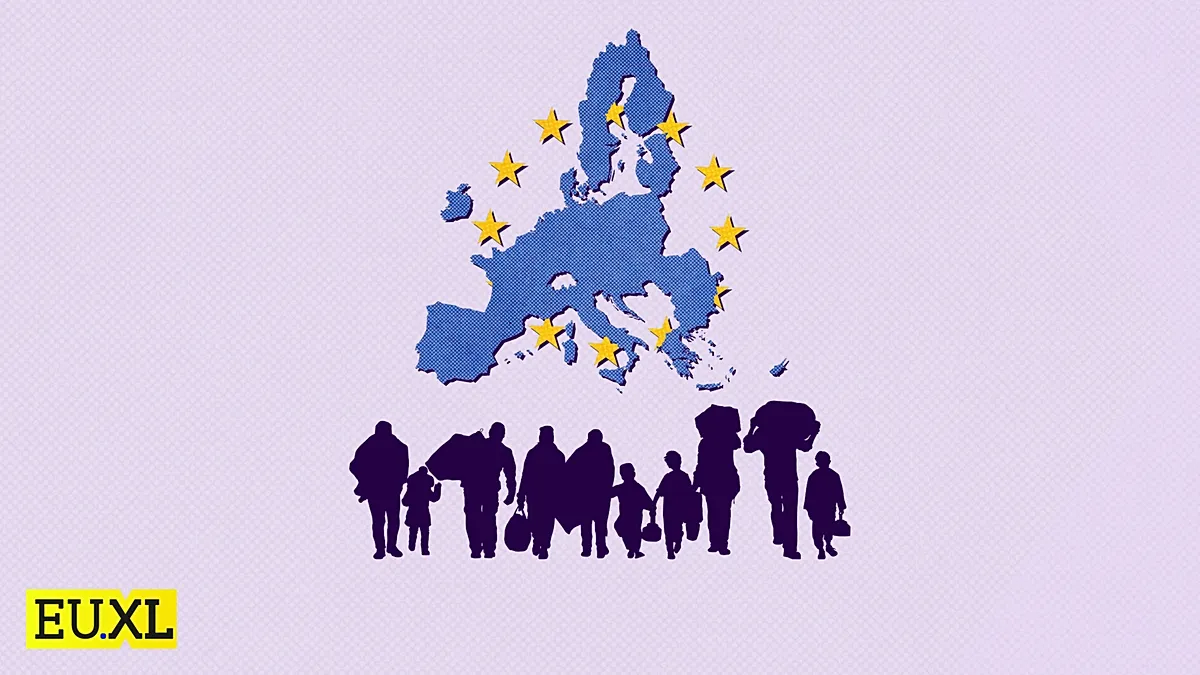
Poinews.com – On June 12, 2026, the EU Pact on Migration and Asylum officially kicked in, marking a pivotal moment in the bloc’s efforts to streamline border management and asylum procedures. This comprehensive framework, which was ratified two years earlier, aims to create a unified system across all 27 member states for handling migration flows. The pact introduces stricter rules for border checks, standardized asylum processes, improved reception conditions, and a solidarity scheme to relocate asylum seekers from overburdened countries to others with greater capacity. While the legislation represents a significant step toward harmonizing EU migration policies, its effectiveness remains uncertain, as enforcement has already come under scrutiny.
Overview of the EU Migration Pact
The EU Migration Pact was designed to address the growing challenges of managing migration flows in the wake of the 2024 crisis, which saw record numbers of arrivals in Southern and Eastern Europe. The agreement, a result of years of negotiations, seeks to balance the rights of migrants with the need to protect national borders and ensure fair distribution of responsibilities among member states. Key elements include a mandatory quota system for relocating asylum seekers, the establishment of return hubs in non-EU countries, and the introduction of stricter detention measures. These provisions are intended to create a more predictable and efficient system, but their implementation has faced immediate challenges.
Implementation Challenges and Member State Resistance
Despite the pact’s ambitious goals, enforcement has already shown signs of hesitation. The initial target of relocating 21,000 asylum seekers by the end of 2026 has been met with reluctance from several nations. For instance, Hungary and Slovakia have pledged to relocate no asylum seekers at all, citing concerns about border security and the influx of irregular migrants. Meanwhile, other countries have committed to relocating fewer than half the planned number, raising questions about the pact’s enforceability. This reluctance highlights a broader tension between the EU’s centralized approach and the sovereignty of individual member states, which have historically resisted top-down migration policies.
The pact’s Return Regulation, one of its most stringent laws in recent decades, has also sparked debate. This measure mandates the establishment of return hubs outside the EU, such as in North Africa and the Balkans, to expedite the deportation of irregular migrants. It also extends detention periods for asylum seekers to a maximum of two years and removes the suspensive effect of appeal processes, meaning individuals cannot be released from detention while their cases are being reviewed. These provisions have been criticized for prioritizing efficiency over humanitarian considerations, with some arguing that they risk deterring vulnerable groups from seeking asylum in the first place.
Key Provisions and Their Implications
One of the core aspects of the pact is the introduction of double-entry bans, which prevent certain migrants from re-entering the EU after being rejected in their initial application. This policy is expected to reduce the number of people attempting to cross borders multiple times, but it has drawn criticism from organizations advocating for migrant rights. In a recent statement, over 250 civil society groups called the regulation “the establishment of offshore prisons and child detention,” emphasizing concerns about the treatment of unaccompanied minors and the lack of due process for detained individuals.
Additionally, the pact includes provisions for standardized asylum procedures, requiring member states to process applications within specific timeframes and provide clear information about the rights and obligations of asylum seekers. However, the success of these reforms depends on consistent implementation across the EU. Countries with varying levels of resources and political will may struggle to meet the new standards, leading to disparities in how the rules are applied. This inconsistency could undermine the pact’s goal of creating a unified and fair system, as well as fuel public discontent among those who feel the burden of migration policies is unevenly distributed.
Future Compliance and Political Outlook
The European Commission’s first compliance assessment, scheduled for July 2026, will play a critical role in determining the pact’s success. This review will evaluate whether member states are meeting their obligations under the new rules, including relocation targets and the use of return hubs. While some countries have expressed commitment to the pact, others may face pressure to comply, especially if the EU threatens financial penalties or reduces funding for border management. The assessment will also highlight the extent to which the focus keyword “EU migration rules kick in but” is being upheld in practice, as enforcement remains a key point of contention.
As the EU migration rules kick in but face early doubts, the long-term impact of the pact will depend on how member states navigate these challenges. The agreement’s success could lead to a more efficient and equitable system, but its failure to address underlying political and social concerns may result in a fragmented approach to migration management. With the first compliance report imminent, the EU will need to balance its regulatory ambitions with the realities of member state cooperation and public opinion, ensuring that the pact not only kicks in but also stands the test of time.