EU pushes back as US revives trade pressure on bloc and accuses Brussels of enabling China to evade tariffs
European Union officials mounted a firm defense on Friday against escalating commercial tensions with the United States, rejecting American allegations that

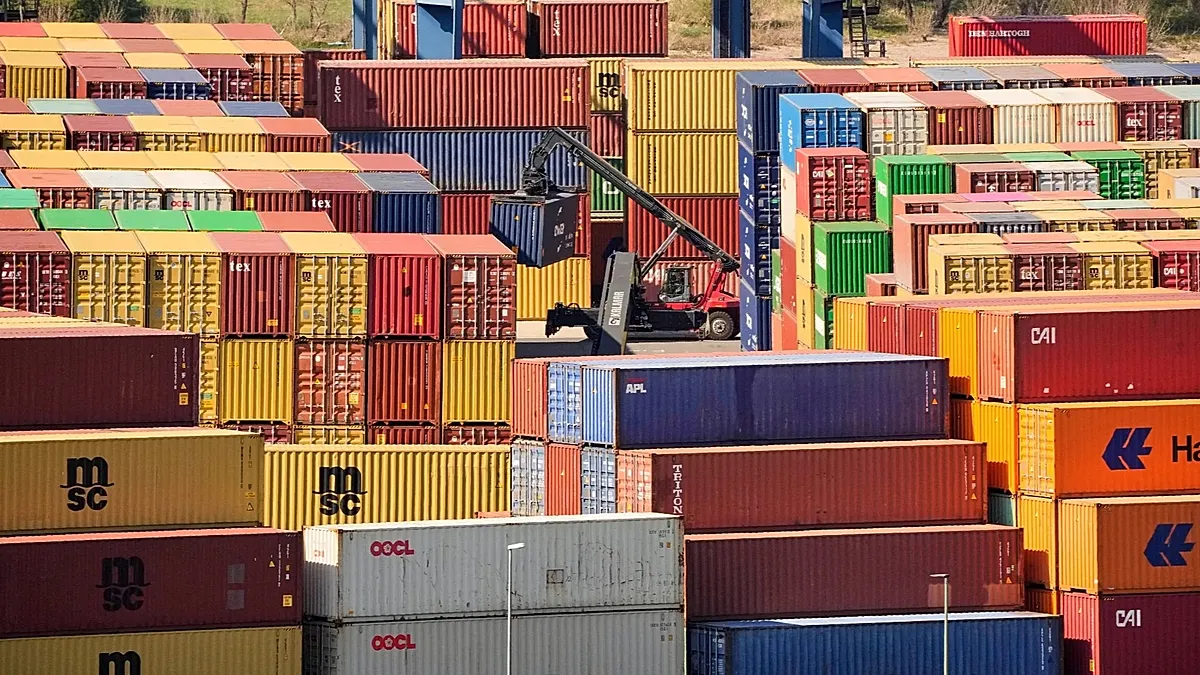
Table of Contents
EU Pushes Back as US Revives Trade Pressure on Brussels
Poinews.com – European Union officials mounted a firm defense on Friday against escalating commercial tensions with the United States, rejecting American allegations that Brussels is enabling Chinese companies to circumvent Washington’s tariffs. At the same time, the United States intensified its demands for the bloc to reconsider key environmental regulations that American businesses argue create unfair competitive disadvantages.
Andrew Puzder, the American ambassador stationed in Brussels, called on European leaders to align components from two major legislative measures addressing supply chain environmental and human rights standards with the transatlantic trade agreement concluded during the previous year. By sharing a government paper detailing numerous complaints about these regulations, Puzder declared on social media platform X that European commitment to resolving these issues was now essential.
“The United States will take any actions necessary to address unreasonable burdens on US commerce absent a solution that addresses these concerns,” the official document cautioned.
European Commission representative Arianna Podesta characterized ongoing discussions between the two sides as productive, noting continued dialogue covering both tariff and non-tariff matters. Nevertheless, she emphasized that Brussels maintained a firm position regarding its regulatory independence, stating that neither the existing rule framework nor the bloc’s capacity to set its own standards would be subject to negotiation.
Supply Chain Legislation Under Scrutiny
The Corporate Sustainability Due Diligence Directive mandates that major corporations remedy negative human rights and environmental consequences stemming from their global supply networks. Meanwhile, the Corporate Sustainability Reporting Directive obligates these same entities to disclose data regarding their climate footprint, greenhouse gas emissions, and mitigation strategies.
According to the American assessment, the cross-border application of these directives combined with expensive supply chain verification requirements would harm American companies’ competitiveness within European markets. Although the EU has already reduced the breadth of both measures following pressure from domestic and international businesses—postponing implementation timelines and exempting smaller enterprises—the Washington document argued these adjustments remained insufficient.
Puzder’s latest remarks followed his criticism of the bloc’s carbon border adjustment mechanism, which he described as functionally equivalent to a tariff regardless of how it is classified under climate policy frameworks. This mechanism, designed to level the playing field for European manufacturers, has drawn particular attention from American trade officials who view it as another layer of commercial pressure.
Transshipment Concerns Rise
In a separate development, the EU appeared among numerous trading nations identified in a White House publication released Thursday as potentially vulnerable to illicit goods routing originating from China. This practice involves shipping merchandise through intermediary nations to sidestep substantial duties levied by President Donald Trump.
The analysis also highlighted Mexico, Canada, and Japan as subjects of concern, while pledging to utilize artificial intelligence technologies for identifying deceptive commercial practices moving forward. This technological approach represents a significant shift in how trade enforcement will be conducted in the coming years.
“The EU shares the US objective of tackling customs fraud,” the commission spokesperson remarked regarding the allegations.
Podesta confirmed that Brussels was actively consulting with Washington to evaluate how the report might affect European interests, pointing out that the document characterized the EU’s transshipment vulnerability as being integrated into substantial legitimate commercial exchanges. This acknowledgment suggests that not all goods moving through European ports are subject to potential tariff evasion.
What This Means for Businesses
The dual pressure from Washington on both regulatory alignment and transshipment practices creates a complex landscape for multinational corporations operating across the Atlantic. Companies must now navigate not only their own compliance obligations but also the evolving diplomatic relationship between the EU and US.
For American businesses with significant European operations, the situation presents both challenges and opportunities. While stricter enforcement of transshipment rules could level the playing field, changes to EU environmental regulations might require additional investment in supply chain monitoring and reporting systems.
Frequently Asked Questions
What is the main issue between the EU and US in this trade dispute? The primary concerns involve American complaints about EU environmental regulations creating unfair burdens on US commerce, and allegations that the EU is enabling Chinese companies to evade American tariffs through transshipment.
Which EU regulations are being challenged by Washington? The Corporate Sustainability Due Diligence Directive and the Corporate Sustainability Reporting Directive are the two main legislative measures under scrutiny, along with the carbon border adjustment mechanism.
How does the transshipment issue affect the EU? The EU has been identified as potentially vulnerable to illicit goods routing from China, where merchandise is shipped through European ports to avoid substantial American duties.
What is the EU’s position on these matters? Brussels maintains that it shares the US objective of tackling customs fraud and is actively consulting with Washington, while firmly defending its regulatory independence and right to set its own standards.
When will these discussions lead to concrete outcomes? While no specific timeline has been announced, both sides are engaged in ongoing dialogue covering tariff and non-tariff matters, with the EU working to balance its regulatory autonomy with transatlantic commercial relationships.