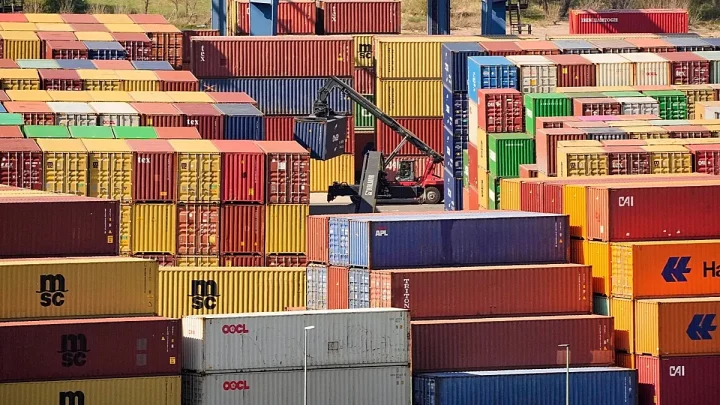
EU slaps €550 million fine on AliExpress over illegal and counterfeit goods
EU Imposes €550 Million Penalty on AliExpress for Counterfeit Goods EU slaps 550 million fine on AliExpress - The European Commission has announced a €550

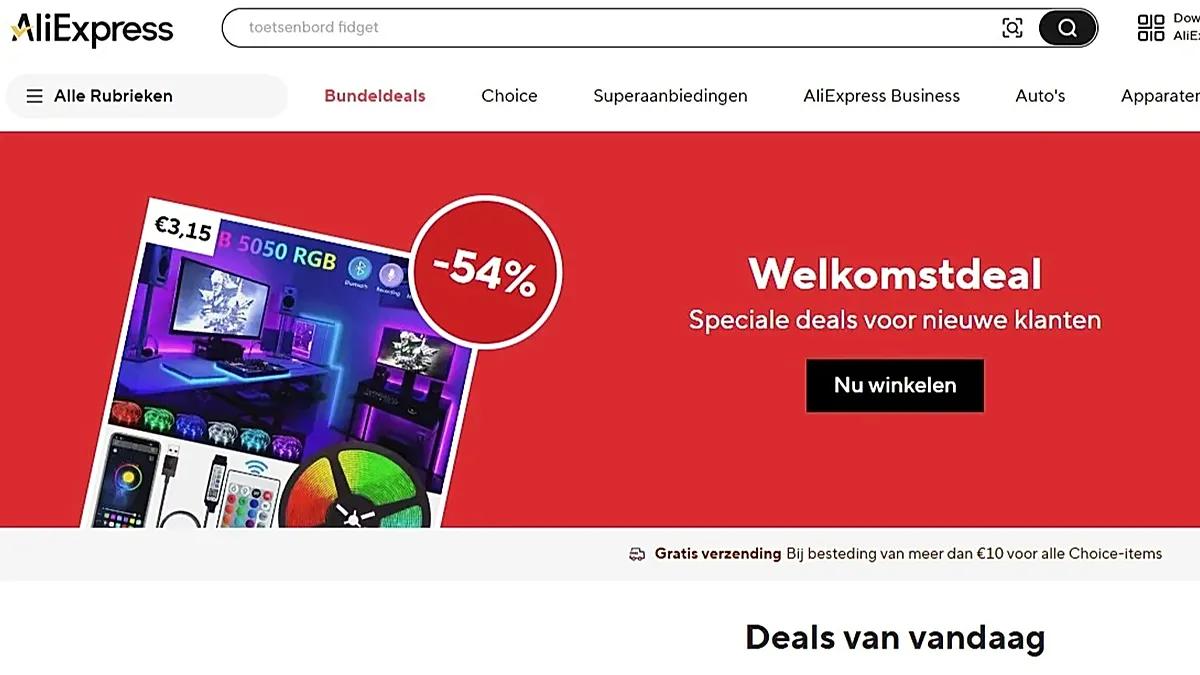
EU Imposes €550 Million Penalty on AliExpress for Counterfeit Goods
Poinews.com – The European Commission has announced a €550 million fine against AliExpress, citing the platform’s failure to effectively manage risks related to the sale of illegal, unsafe, and counterfeit items. This ruling follows a recent policy shift in the EU, which introduced a €3 flat duty on parcels valued under €150, previously exempt from customs charges. The new tax is anticipated to challenge the business strategies of major Chinese e-commerce platforms, including AliExpress, Shein, and Temu.
Focus on Digital Services Act Violations
AliExpress faces this penalty as part of ongoing investigations initiated in 2024 under the EU’s Digital Services Act. The Commission highlighted that the platform did not implement a robust system to identify and eliminate illicit products, leaving large quantities of unsafe toys and dangerous cosmetics circulating despite moderation efforts. In some instances, these items remained on the site for weeks after being reported.
The enforcement of AliExpress’s penalty policy was also criticized, as stores selling non-compliant goods continued operations even after sanctions. Additionally, the platform’s brand authorization system was deemed insufficient, allowing sellers to evade safeguards and list counterfeit products without detection. The Commission noted that human moderators were overwhelmed, failing to keep pace with the volume of items requiring review.
AliExpress’s Response
“We have allocated significant resources to enhance risk assessment, product safety, and consumer protection measures,” AliExpress stated. “While we acknowledge the Commission’s findings, we believe the fine does not fully reflect our established framework or the proactive improvements we have implemented. We are currently analyzing the decision and exploring all possible remedies.”
The EU executive will evaluate AliExpress’s proposed action plan, due by October 20, 2026, and determine if further steps are necessary within two months of receiving it. This case underscores growing regulatory pressure on global e-commerce platforms to uphold standards within the European market.