EU taxes on digital services, gambling, crypto could yield up to €11 billion per year – Commission
EU Taxes on Digital Services, Gambling, Crypto Could Yield Up to €11 Billion Per Year – Commission EU taxes on digital services gambling - The European

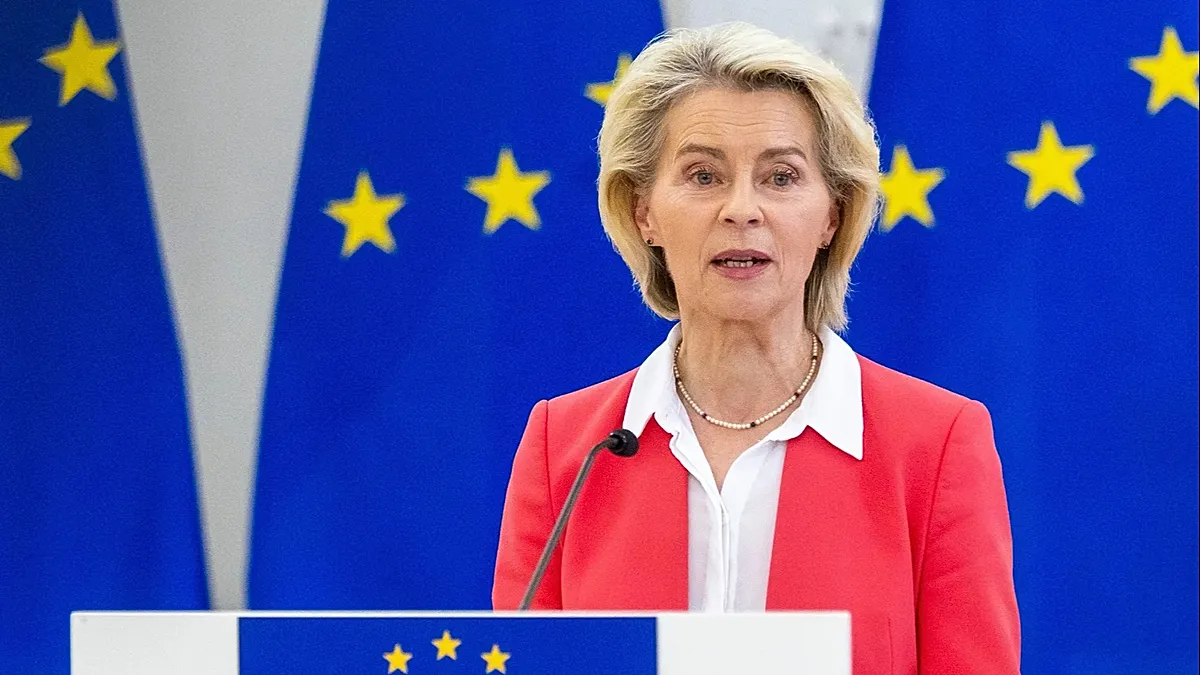
EU Taxes on Digital Services, Gambling, Crypto Could Yield Up to €11 Billion Per Year – Commission
Poinews.com – The European Commission has outlined potential new revenue streams for the upcoming EU budget, estimating that an additional €11 billion could be generated annually through taxes on digital services, gambling, and cryptocurrency assets. This assessment, shared with member states and reported by Euronews, comes as part of ongoing discussions to finalize the EU’s long-term budget for the 2028-2034 period. The proposals, known as “own resources,” aim to diversify funding sources and address perceived gaps in current financial mechanisms.
Tax Proposals and Member State Resistance
While the Commission has introduced several tax measures in its draft, these have encountered mixed reactions from EU nations. Despite unanimous adoption being required, many countries have expressed concerns about the impact on businesses and economic growth. The latest round of negotiations, initiated in July 2025, has seen the European Commission publish a €2 trillion budget blueprint that includes major shifts from previous frameworks.
European Commissioner for the Budget, Piotr Serafin, emphasized the urgency of advancing own resources during recent talks. “We need to make progress on own resources if we’re to create an ambitious budget,” he stated, underscoring the importance of these taxes in shaping the EU’s fiscal strategy. However, some proposals have faced criticism for their potential to reduce corporate investment or create regulatory burdens.
Online Gambling Tax: A Potential Revenue Source
Among the proposed taxes, the online gambling levy has garnered notable support. According to the Commission’s calculations, a 3% tax on the net turnover of the gambling sector could contribute approximately €1.9 billion annually to the EU budget from 2028 to 2034. This projection relies on 2025 price data and assumes industry growth aligns with broader economic trends.
Despite this, the Commission acknowledges a lack of standardization in how gambling is defined and taxed across member states. It suggests multiple approaches, such as levying taxes on operators’ margins or revenues, or applying them indirectly to players based on their activity levels. This flexibility could help address concerns about the tax’s fairness and implementation.
Digital Services and Crypto Taxes: Uncertain Prospects
The digital services tax, another key element, is projected to bring in around €5 billion each year. This estimate is based on 2024 revenue data from Spain, France, and Italy, where digital taxes are already in place. The Commission’s approach targets companies with both a national and global turnover threshold, imposing a 3% rate on net revenue from digital advertising, intermediation, and user data monetization.
For cryptocurrency, the Commission has provided two distinct revenue forecasts. The first, based on 2025 market conditions, suggests a transaction tax could generate €3 to €4 billion annually. This would apply a 0.1% rate to the value of transactions, assuming consistent activity levels. However, a capital gains tax estimate is more conservative, ranging from €1 billion to €2.4 billion, relying on older data from a 2022 report. The volatility of the crypto market and challenges in pinpointing user locations for tax collection add to the uncertainty of these figures.
Design and Implementation Challenges
Quotes from diplomatic sources indicate that some member states have tentatively endorsed specific taxes, particularly the online gambling levy. Yet, opposition remains strong in Malta, which hosts the majority of EU-based betting websites. The country’s leaders are likely to resist measures that could increase operational costs or reduce their competitive edge in the digital economy.
The Commission’s document also highlights the sensitivity of revenue projections to the tax design. Factors such as which activities qualify for taxation and the threshold for triggering the levy significantly influence the final amount collected. For instance, a lower turnover threshold could expand the tax base, while a higher rate might enhance revenue without discouraging growth.
Broader Implications for EU Budget Negotiations
As negotiations progress, the EU is balancing the need for additional funding with the desire to avoid stifling innovation. The three main spending priorities outlined by the Commission—Competitiveness Fund, Global Europe, and Horizon funds—reflect this dual focus. The Competitiveness Fund aims to support industries facing global competition, while Global Europe and Horizon funds emphasize research and international collaboration.
One of the most contentious aspects of the budget proposal is the integration of corporate tax reforms. The original plan, dubbed CORE, has drawn criticism for its potential to increase the tax burden on businesses. However, the new taxes on digital services, gambling, and crypto are expected to complement corporate taxation, reducing the reliance on traditional revenue sources.
Market Volatility and Data Reliability
The Commission’s estimates, while ambitious, may not fully capture the potential of these taxes. For crypto, the use of 2025 data is a key limitation, as the market’s rapid fluctuations could skew projections. A 0.1% transaction tax, for example, might not account for sudden price surges or declines that affect the volume of transactions.
Furthermore, the document notes that defining gambling and crypto assets remains a hurdle. While the gambling tax is more straightforward, the crypto capital gains tax requires precise metrics to measure user activity and tax collection. This lack of consensus could delay implementation or lead to discrepancies in how different member states apply the tax.
Amid these challenges, the Commission remains optimistic about the feasibility of generating €11 billion in annual revenues. It argues that these measures, if implemented, would not only stabilize the budget but also reflect the EU’s commitment to adapting to the digital age. However, the final outcome will depend on the compromises reached among member states and the clarity of the tax frameworks established.
Conclusion: A Seven-Year Budget Vision
The EU’s seven-year budget, spanning 2028-2034, will shape its political and economic direction for years to come. The inclusion of these new taxes represents a strategic shift toward leveraging digital sectors for revenue, a move that could redefine the EU’s fiscal landscape. As negotiations continue, the Commission’s proposals will be tested against member states’ interests, with the goal of creating a budget that is both ambitious and achievable.
Ultimately, the success of these measures hinges on their design and the political will to implement them. While the potential for €11 billion in annual revenue is appealing, the EU must navigate complex debates and ensure the taxes are both effective and equitable. The upcoming discussions will determine whether the Commission’s vision becomes a reality or is adjusted to align with the priorities of the member states.