Finnish entrepreneur jailed for breach of EU sanctions after exporting trucks to Russia
Finnish Entrepreneur Jailed for Breach of EU Sanctions After Exporting Trucks to Russia Finnish entrepreneur jailed for breach of EU - Following a landmark

Finnish Entrepreneur Jailed for Breach of EU Sanctions After Exporting Trucks to Russia
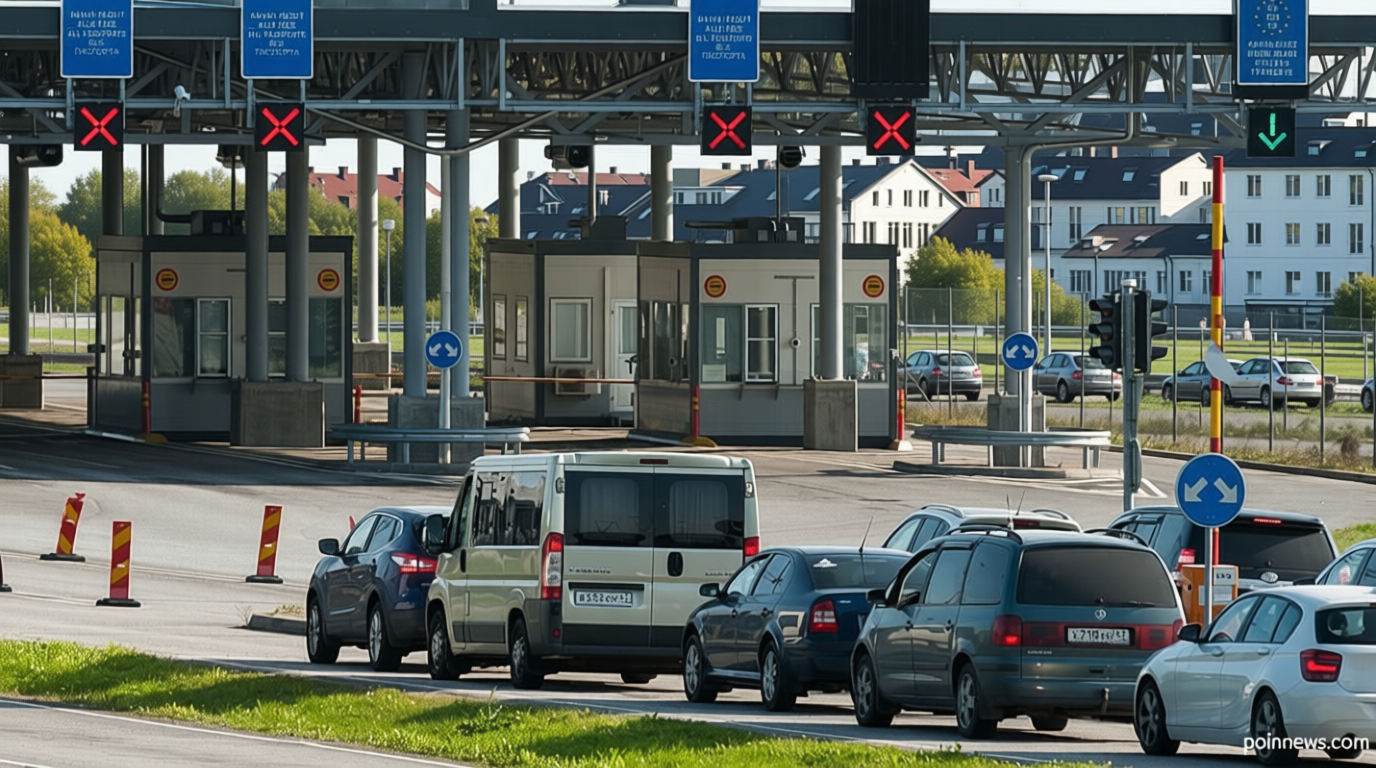
Poinews.com – Following a landmark decision, a Finnish entrepreneur has been sentenced to three years and eight months in prison for breaching EU sanctions by exporting trucks to Russia. The case, which has sparked debate over the enforcement of economic restrictions, centers on Risto Riihimaki, the founder of a logistics company based in Lappeenranta—a city strategically located near Finland’s Russian border. The court ruled that the company’s actions, which involved sending 164 vehicles to Russia in 2022 and 2023, violated the sanctions imposed after Russia’s invasion of Ukraine. This incident highlights the challenges of maintaining trade restrictions while allowing essential goods to flow through transit corridors.
The Circumvention of Sanctions
The EU sanctions, designed to limit Russia’s access to critical industries, permitted certain goods to be transited through the country. However, Riihimaki’s firm claimed the trucks were intended for Kazakhstan or Turkey, according to the South Karelia district court. The court, after thorough investigation, revealed that the vehicles were actually cleared into Russia by a third-party firm, which then resold them to Russian entities. Finnish Customs reported the total value of the exported trucks and trailers to be approximately €17 million, emphasizing the financial impact of the breach.
Riihimaki’s defense argued that he was misled by his business partners, who assured him the trucks would not be directly used by Russian entities. Despite this, the court determined that the company’s failure to verify the ultimate destination of the goods constituted a deliberate act of sanction evasion. The ruling underscores the importance of due diligence in ensuring compliance with EU regulations, even when goods are transited through neighboring countries.
Legal and Financial Consequences
The court’s decision included a range of penalties to deter future violations. Riihimaki and his company were ordered to repay €608,275 in illicit profits, plus the full value of the affected property, which totaled €6 million. Additionally, a fine of €10,000 was imposed on the firm. These financial repercussions not only highlight the seriousness of the breach but also serve as a warning to other businesses operating in the region.
Riihimaki, who has been in custody since March, now faces the possibility of serving his sentence. The court’s ruling, which labeled the offense as an “aggravated regulation violation,” has drawn attention to the complexity of enforcing sanctions in a cross-border context. Legal experts note that this case could set a precedent for how EU member states handle similar breaches, particularly those involving transit goods.
The decision is subject to appeal, offering a potential delay in the execution of the sentence. However, the court’s emphasis on the intentional nature of the breach suggests that the conviction is likely to stand. This outcome has implications for Finland’s role in the EU’s sanctions framework, as the country’s proximity to Russia and its extensive trade networks make it a key player in the enforcement of economic restrictions.
Broader Implications for EU Sanctions
While the EU’s sanctions aim to curb Russia’s economic capabilities, this case illustrates the difficulty of fully isolating the country from international markets. Trucks, essential for Russia’s logistics and transportation sectors, are a critical component of its infrastructure. By exporting these vehicles, Riihimaki’s firm inadvertently contributed to the continuation of Russia’s economic activities, despite the sanctions.
The incident has also raised questions about the effectiveness of current sanction monitoring mechanisms. Finnish Customs and other regulatory bodies are tasked with tracking the flow of goods, but the case reveals gaps in enforcement. Experts suggest that stricter documentation requirements and enhanced collaboration between EU countries could help prevent such breaches in the future. This case serves as a reminder that sanctions are not just about limiting trade, but also about ensuring transparency and accountability in supply chains.
As the EU continues to refine its sanctions policies, the conviction of Riihimaki may influence future legal strategies. The court’s focus on the “exceptional nature and scope” of the offense suggests that similar cases could result in more severe penalties. This development underscores the EU’s commitment to upholding its sanctions regime, even in the face of challenges posed by geographic proximity and international trade dynamics.