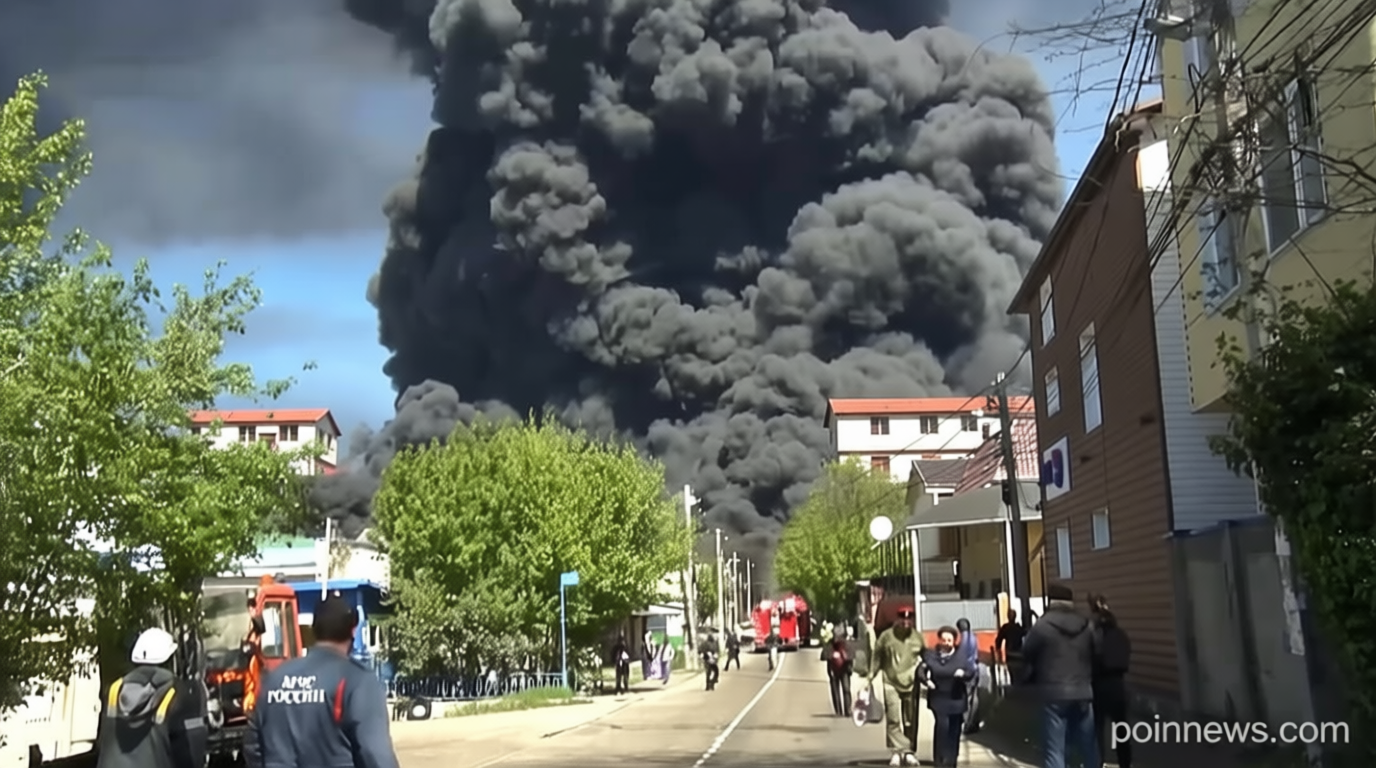
Hundreds of tourists rescued by boat as forest fire threatens northern Greek beaches
Hundreds of tourists rescued by boat as a fast-moving forest fire threatened popular northern Greek beaches, prompting emergency evacuations across the

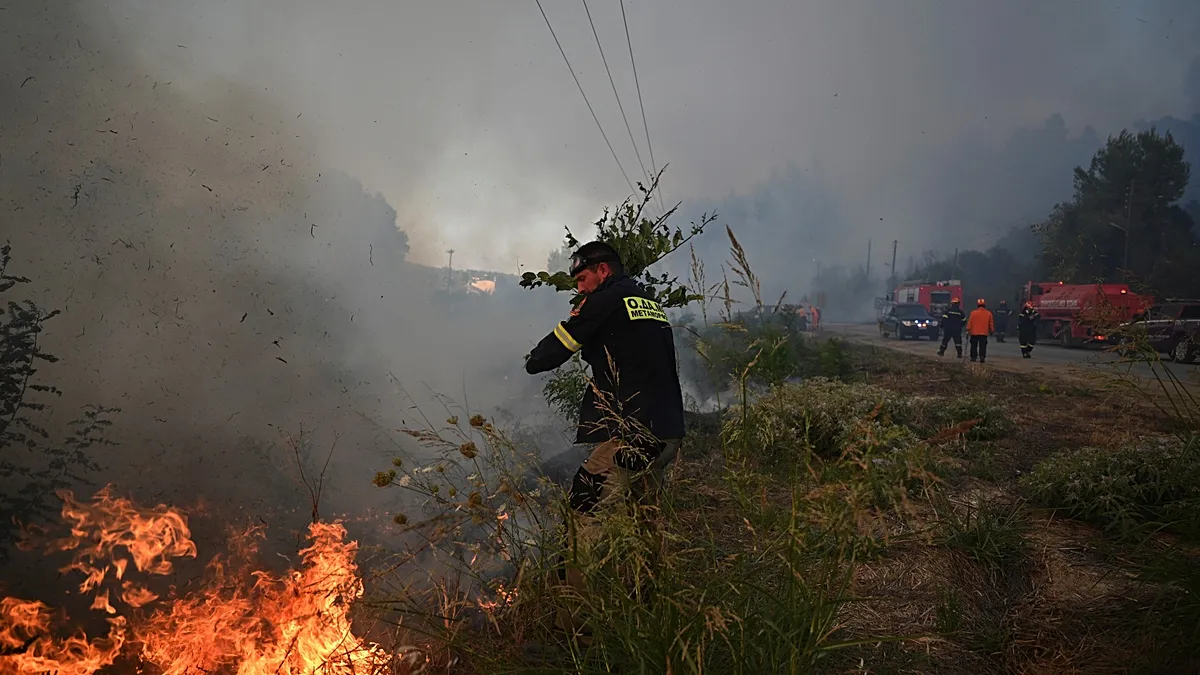
Table of Contents
Hundreds of Tourists Rescued by Boat as Greek Wildfire Threatens Coastal Resorts
Poinews.com – Hundreds of tourists rescued by boat as a fast-moving forest fire threatened popular northern Greek beaches, prompting emergency evacuations across the Halkidiki peninsula. The dramatic rescue operation saw small boats ferrying panicked visitors to safety as flames closed in on the coastal resorts of Siviri and Fourka. Water bombing aircraft and helicopters joined nearly 150 firefighters in battling the blaze that has gripped the region, while two injured firefighters were transported to hospital for treatment.
Emergency Evacuation Underway
The fire erupted with surprising speed, quickly advancing toward residential areas and tourist accommodations in the heavily visited resorts. The Halkidiki region, known for its pine forests and Mediterranean coastline, found itself under threat as strong winds pushed the flames toward populated areas. Greece’s civil protection agency responded swiftly, sending evacuation warnings by mobile phone to residents and visitors in both Siviri and Fourka.
The scale of the evacuation became apparent as more than 250 tourists, many still in bathing costumes and some carrying young children, were transported by sea. ERT public television reported that fifteen small boats were brought into service for the emergency operation. A fire service spokesman explained that the evacuation had to proceed by sea because the flames were advancing rapidly toward the beaches, making land routes dangerous or impassable.
Images broadcast by ERT showed dozens of people queuing on a pontoon at Fourka, waiting to board boats as smoke darkened the sky above the resorts. The situation was further complicated by traffic jams of vehicles attempting to leave both Siviri and Fourka by road.
Fire Conditions and Regional Response
According to ERT, a three-kilometre-long wall of flames reaching up to 30 metres in height was closing in on the resorts. Sophia, a local homeowner who provided her first name only, told the AFP news agency by telephone: “We are on the beach and looking for a way to get away. From where we are, we can see that flames have reached the town and the houses.”
Firefighters reported that strong winds were making their efforts particularly challenging. Greek authorities had already issued a maximum level five alert for fires across much of the Greek mainland. Halkidiki authorities responded by banning public access to the region’s pine forests to prevent the fire from spreading further.
Weather forecasters predicted winds of up to 100 kilometres (60 miles) per hour on Friday, which could intensify the situation. Greece experiences severe wildfires annually, and experts attribute the increasing frequency and intensity to human-fuelled climate change, which has made droughts and extreme weather events more common. Authorities reported that forty forest fires were recorded across Greece within a twenty-four-hour period, with nine remaining uncontrolled by late Thursday.
The current crisis follows a tragic incident earlier this month when two helicopter crew members died after their aircraft collided with another helicopter while battling a forest fire near Athens. That fire ultimately destroyed 110 square kilometres of forest, highlighting the devastating potential of Greek wildfires.
“We are on the beach and looking for a way to get away,” said Sophia, a local homeowner watching flames approach her community.
Traveler Safety Information
For visitors planning trips to northern Greece, particularly to the Halkidiki region, it is advisable to monitor local weather alerts and fire warnings during summer months. The Greek civil protection agency provides real-time updates through their official channels, and hotels in affected areas typically coordinate evacuation procedures with local authorities.
Emergency contact information for Greek fire services and civil protection can be found at www.civilprotection.gr. Travelers should also ensure they have adequate travel insurance that covers natural disasters and emergency evacuations.
Frequently Asked Questions
Q: What should tourists do if a wildfire threatens their accommodation? A: Follow evacuation instructions from local authorities immediately. If road access is blocked, boats may be used for evacuation as seen in the recent Halkidiki incident.
Q: When is the highest risk period for wildfires in Greece? A: The summer months, particularly July and August, see the highest wildfire risk due to hot, dry conditions and strong winds.
Q: How can tourists stay informed about fire conditions? A: Monitor the Greek civil protection agency’s official website and mobile alerts, and follow local news broadcasts for real-time updates.
Q: What areas of Greece are most prone to wildfires? A: Regions with extensive pine forests, including Halkidiki, Attica, and parts of the Peloponnese, are particularly vulnerable during dry periods.