Kaja Kallas urges Ireland to ‘get the facts straight’ on alumina sales to Russia
o Russia Straight Kaja Kallas urges Ireland to get - European High Representative Kaja Kallas has called on Ireland to clarify the role of its alumina exports

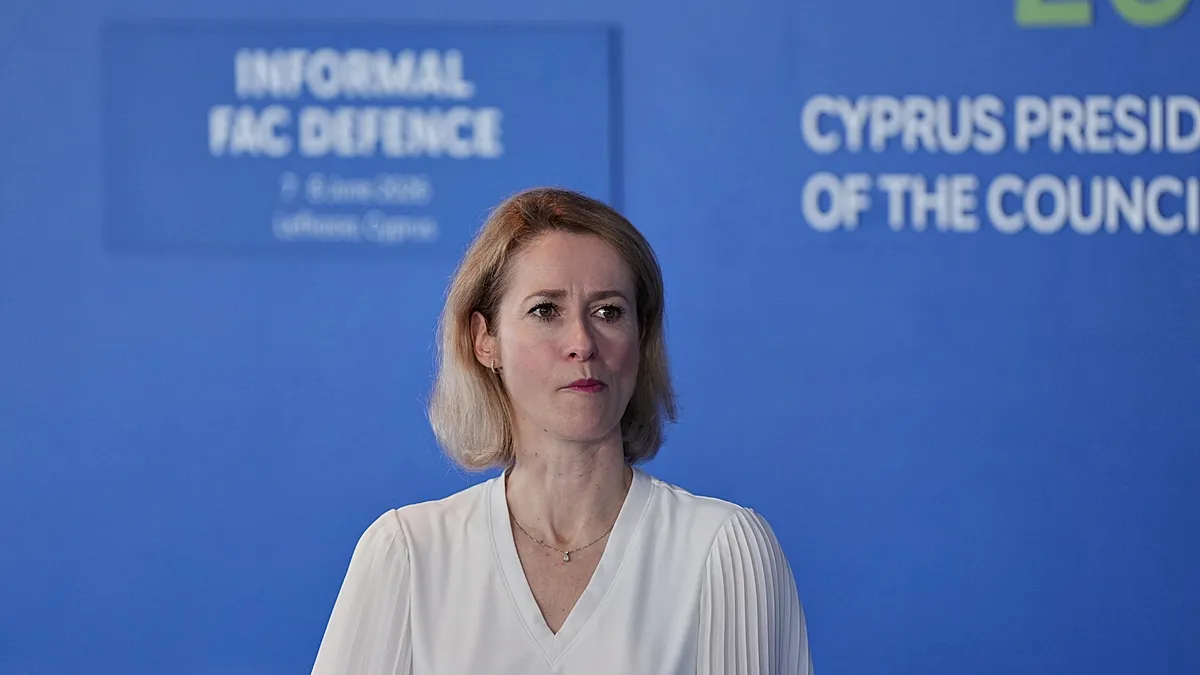
Kaja Kallas Urges Ireland to Get Alumina Sales to Russia Straight
Poinews.com – European High Representative Kaja Kallas has called on Ireland to clarify the role of its alumina exports in supporting Russian military operations. During a recent diplomatic engagement in Dublin, she emphasized the need for Ireland to address concerns about the sale of alumina to Russia, a critical raw material used in the production of aluminium, which plays a key role in manufacturing weapons and military infrastructure. Kallas stressed that understanding the full extent of these exports is vital for ensuring alignment with European sanctions policies aimed at weakening Russia’s war efforts.
The EU’s Sanctions Framework and Alumina’s Omission
The debate over Ireland’s alumina exports intensified as the country prepares to assume its six-month EU Council presidency, beginning in early July. Kallas highlighted the importance of closing regulatory loopholes, stating,
“Europe must eliminate regulatory gaps, strengthen sanction implementation, and translate commitments into tangible actions.”
She further warned,
“No European products should end up in drones and missiles that kill Ukrainian civilians.”
These remarks underscore the urgency of resolving the issue, which has sparked discussions across the bloc about the strategic implications of allowing alumina to flow to Russia.
The European Commission’s recent sanctions framework, unveiled in late May, excluded alumina from restrictions on Russian oil, banking institutions, and military personnel. This decision has drawn criticism, as it contrasts with prior bans on primary aluminium and refined goods. Kallas acknowledged the complexity of the issue, noting that while several EU members supported a ban on alumina exports, consensus remains elusive. “The omission reflects differing national priorities, but it must not compromise our collective resolve,” she said.
Ireland’s Position and Economic Considerations
Ireland has defended its alumina exports, citing the country’s economic reliance on the industry and the importance of maintaining global supply chain stability. The Aughinish Alumina plant, which accounts for approximately 45% of Ireland’s total alumina exports in 2025, is central to these arguments. The facility claims its operations are lawful, pointing to the absence of EU sanctions targeting alumina as a justification for continued sales. Irish Foreign Minister Helen McEntee reiterated this stance, stating, “Our support for Ukraine is unwavering, but we must balance humanitarian concerns with economic realities.”
McEntee also emphasized the need for transparency, noting that the Irish government has launched an investigation into the specific pathways of alumina exports. “We are committed to getting the facts straight,” she said, adding that any decisions on sanctions will be made with thorough analysis. Kallas, while pressing for action, expressed confidence in Ireland’s ability to reconcile its role in the global market with its support for Ukraine.
Ukraine’s Call for Immediate Measures
Ukraine has urged the EU to act swiftly on the alumina issue, arguing that the raw material could be indirectly used in attacks on its territory. Kallas echoed this concern, stating, “This case shows we should examine this further. Ending the war depends on depleting the aggressor’s resources, and we must be creative in developing new sanctions.” The allegations gained traction after an investigation by the Organised Crime and Corruption Reporting Project (OCCRP) in March linked Aughinish Alumina to the Russian economy, tracing Irish alumina to a Russian trader. However, the report did not specify which products were ultimately used in Ukrainian attacks.
Despite the lack of direct evidence, the controversy has reignited calls for stricter scrutiny of Russian supply chains. Kallas noted that the EU’s decision to exclude alumina from sanctions creates an opportunity for member states to push for targeted measures. “We need to ensure that every export contributes to the war effort, not to its conclusion,” she said, positioning the issue as a test of the bloc’s unity in the face of geopolitical challenges.
The discussion highlights the broader tension between economic interests and diplomatic objectives. While Ireland argues that its exports are essential for maintaining trade relationships and preventing disruptions, critics warn that the material could still be a strategic asset for Russia. Kallas’ emphasis on transparency aligns with the EU’s broader strategy to ensure accountability, even as the bloc navigates complex trade agreements and political alliances.