Hungary is on a ‘very clear and steadfast’ path to restore rule of law, EU justice commissioner says
Hungary is on a very clear -

Hungary is on a ‘very clear and steadfast’ path to restore rule of law, EU justice commissioner says
EU Justice Commissioner Emphasizes Hungary’s Commitment to Rule of Law Restoration
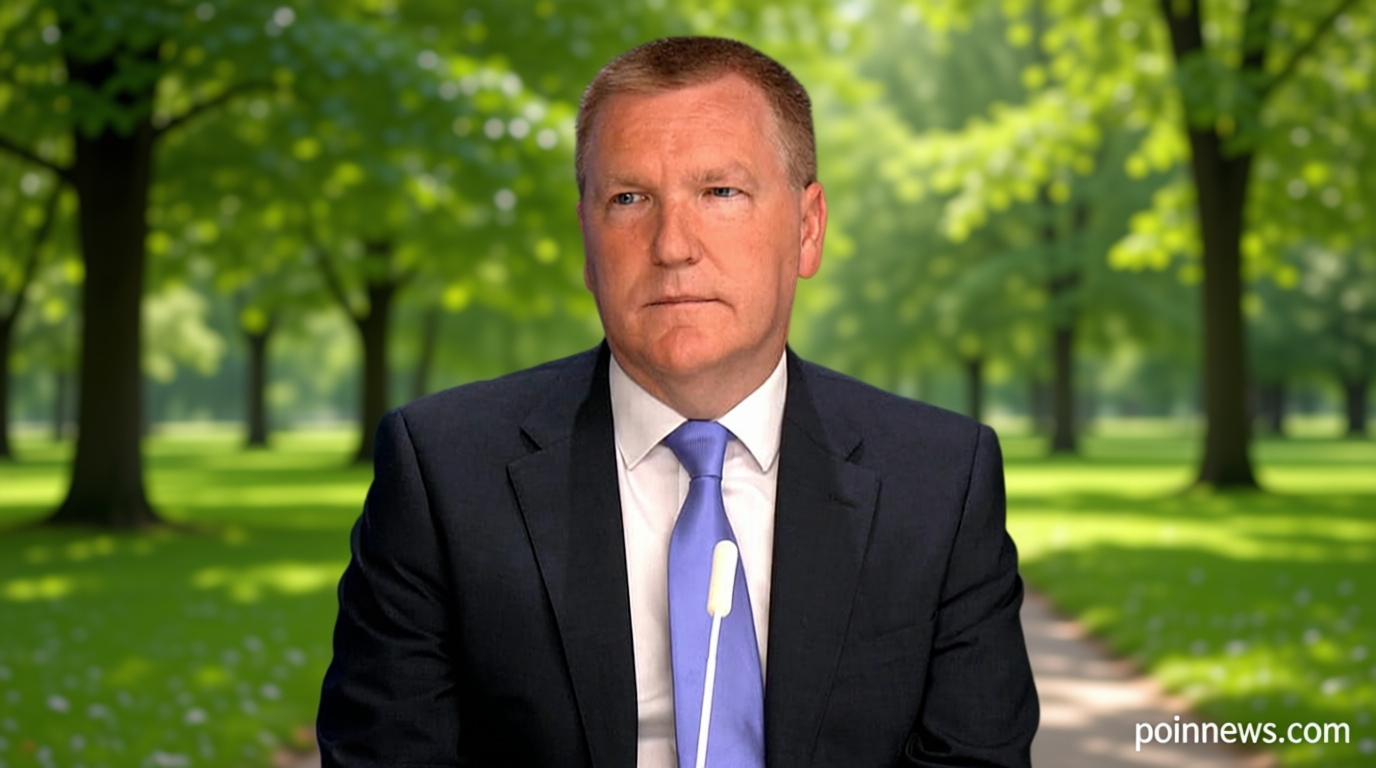
Poinews.com – In a recent address during Euronews’s Europe Today show, European Justice Commissioner Michael McGrath underscored Hungary’s resolute campaign to reestablish the rule of law, describing the nation’s trajectory as “very clear and steadfast.” The statement marks a pivotal moment in the EU’s engagement with Budapest, as the bloc prepares to assess the country’s progress toward addressing longstanding governance concerns. McGrath’s remarks align with the European Union’s broader strategy to evaluate reforms and determine whether to thaw frozen financial resources, which have been held back since 2018 due to allegations of judicial independence erosion and corruption.
“So far they have demonstrated a very clear and steadfast commitment on this path,” McGrath said. “We are there to work with them and support them.”
The EU’s evaluation process will serve as a gateway to releasing €17 billion in funds, a significant sum that has been withheld over fears of rule-of-law deficiencies. The first payments, if approved, could arrive before the end of the year, contingent on Hungary fulfilling all remaining conditions by the end of August. McGrath’s upcoming visit to Budapest next week will focus on reviewing the nation’s progress in implementing promised reforms, including a planned meeting with Márta Görög, the country’s justice minister.
Historical Context of Rule-of-Law Challenges
Magyar’s electoral triumph in April’s parliamentary elections has reignited hopes for a transformative shift in Hungary’s political landscape. The new prime minister’s campaign centered on confronting corruption and reversing the influence of Fidesz, the ruling party under former premier Viktor Orbán. This pledge has placed Hungary at the forefront of EU efforts to gauge whether the nation can reverse its trajectory of increasing authoritarianism. The government’s agenda, outlined in its election manifesto, emphasizes restoring checks and balances, strengthening judicial independence, and reinvigorating constitutional institutions.
The EU’s scrutiny of Hungary has persisted for over a decade, with the Article 7 procedure—a mechanism allowing the bloc to impose sanctions on member states—being a critical turning point. Initiated in 2018, the process targeted concerns surrounding judicial autonomy, freedom of expression, academic freedom, minority rights, and migrant protections. These issues have fueled the EU’s decision to freeze €10 billion from the post-pandemic Recovery Fund, a financial lifeline intended to bolster Hungary’s economic recovery. The prolonged freeze has placed pressure on the government to demonstrate tangible reforms, especially in the wake of Magyar’s landslide victory.
New Reforms and Institutional Overhaul
Magyar’s Tisza Party has outlined a comprehensive plan to tackle systemic governance issues. Central to its manifesto is the establishment of a new anti-corruption body, the National Asset Recovery and Protection Office, designed to trace and reclaim illicitly obtained funds. Public procurement rules are also slated for revision, aiming to eliminate loopholes that critics argue have enabled state capture and economic mismanagement. These measures are intended to reinforce accountability and transparency, critical components in the EU’s vision of a stable and democratic Hungary.
McGrath will closely examine Hungary’s adherence to these commitments during his visit. The commissioner highlighted that the EU’s role is not merely to criticize but to collaborate with the country in its reform efforts. “We are there to work with them and support them,” he reiterated, emphasizing the bloc’s willingness to engage constructively. This approach reflects a balance between accountability and partnership, acknowledging the complexity of reversing 16 years of centralized power.
Brussels Meeting and Funding Unlocking
The upcoming meeting in Brussels between Hungary’s new prime minister, Peter Magyar, and European Commission President Ursula von der Leyen is a key milestone in this process. The discussions will center on the conditions necessary to unlock the frozen €17 billion, a sum that represents a critical financial resource for Hungary’s recovery. The success of this meeting could determine whether the EU perceives Magyar’s government as capable of meeting its criteria for rule-of-law compliance.
However, the path to reform is not without obstacles. The Tisza Party’s promises must now be translated into action, with McGrath’s team scrutinizing the implementation of judicial reforms and the effectiveness of anti-corruption measures. The EU’s confidence in Hungary’s commitment will hinge on the nation’s ability to demonstrate progress in areas such as judicial independence and minority rights. For instance, the establishment of the National Asset Recovery and Protection Office is expected to address concerns about the misuse of public funds, but its success will depend on the institutional framework supporting it.
EU’s Strategic Approach to Hungary’s Governance
McGrath’s emphasis on collaboration underscores the EU’s strategic approach to Hungary’s governance challenges. While the bloc has historically prioritized compliance with democratic standards, it now seeks to foster a sense of partnership with the country’s new leadership. This shift is evident in the detailed evaluation process, which includes both quantitative assessments of reforms and qualitative analysis of political intent. The EU’s decision to align with Hungary’s agenda reflects a recognition of the country’s potential to reorient its policies toward greater transparency and accountability.
Despite these positive developments, the challenges of dismantling 16 years of authoritarian governance remain substantial. Orbán’s tenure has seen the consolidation of power through measures such as the overhaul of judicial appointments, the expansion of state control over media, and the centralization of legislative authority. The Tisza Party’s focus on restoring institutional balance suggests a deliberate effort to counteract these trends, but the extent of its success will be tested in the months ahead. McGrath’s evaluation will serve as a benchmark for the EU’s continued engagement with Hungary, with the hope that the nation can transition from a model of centralized rule to one of democratic resilience.
Implications for the EU and Hungary’s Future
The potential release of frozen funds carries significant implications for Hungary’s economic stability and political standing within the EU. With €17 billion at stake, the government’s ability to meet the conditions by August will determine whether it can secure financial support to address its governance shortcomings. This moment also highlights the EU’s capacity to influence member states through targeted financial measures, a strategy that has been both a tool of pressure and a catalyst for reform.
For Hungary, the path forward is a delicate balancing act between maintaining political control and accommodating EU demands. The country’s recent election results signal a renewed commitment to reform, but the endurance of Orbán’s legacy and the resilience of Fidesz’s influence may test this resolve. McGrath’s remarks, while optimistic, also reflect the EU’s cautious approach, ensuring that Hungary’s progress is both measurable and sustainable. As the nation navigates this transition, the success of its reforms will be pivotal in shaping its future within the European Union.