Airbus and BMW strike deals with France’s Mistral to bring AI to defence and safety systems
Airbus and BMW strike deals -

European Aerospace and Automotive Giants Forge Strategic Alliances with Mistral AI to Advance AI Integration in Defense and Safety Systems
Poinews.com – In a significant development for the European technology sector, Airbus and BMW have established new collaborations with Mistral AI, a prominent French artificial intelligence startup, to harness the power of AI in their respective industries. These partnerships, announced on May 28, 2026, mark a pivotal step toward embedding advanced AI solutions across aerospace, defense, and automotive domains, addressing growing demands for innovation and security in critical systems.
French AI Innovator Strengthens Ties with Airbus to Transform Aerospace Operations
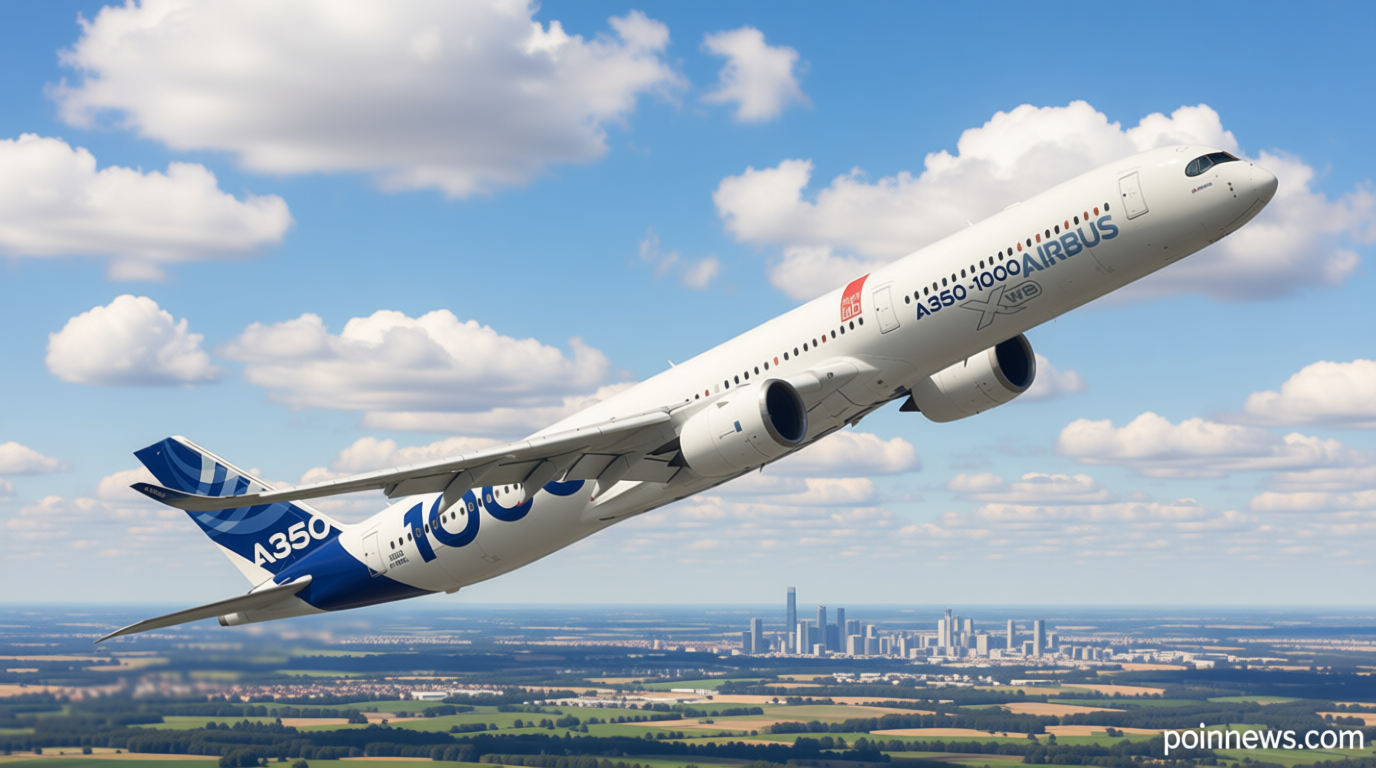
French AI startup Mistral AI has entered a strategic partnership with Airbus, expanding its presence in the aerospace sector. The collaboration, detailed in a joint press release, seeks to integrate AI into Airbus’s aviation, defense, and space divisions, with a focus on creating tailored tools for complex aerospace projects. By accessing Mistral’s comprehensive product suite and research expertise, Airbus aims to accelerate its digital transformation while ensuring the AI systems it deploys are both trusted and secure, especially for defense applications where data sensitivity is paramount.
According to Catherine Jestin, Airbus’s executive vice president of digital, the alliance will enable the company to implement “high-impact, high-value use cases” of AI in aerospace, emphasizing responsibility and reliability. Meanwhile, Timothée Lacroix, co-founder and Chief Technology Officer of Mistral AI, highlighted the partnership’s potential to “accelerate innovation, improve flight safety, and deliver greater value for customers.” The collaboration is expected to span several key areas, including the development of AI systems for onboard aircraft and spacecraft, automation of technical document production, and the use of AI-driven simulations to shorten engineering design cycles.
“This partnership paves the way for the deployment of high-impact, high-value use cases of trusted and responsible AI in aerospace,” said Catherine Jestin.
Additionally, the two companies plan to explore edge AI capabilities—models that operate directly on hardware—to support applications such as automatic object recognition. This technology could enhance real-time decision-making in flight safety scenarios. Mistral AI is also investigating the use of AI in cybersecurity, particularly for analyzing threats and providing coding support in highly secure environments. The partnership grants Airbus a degree of influence over Mistral’s product development, allowing it to shape the company’s trajectory as it competes with U.S.-based AI leaders like OpenAI and Anthropic.
BMW and Mistral AI Partner to Enhance Vehicle Safety and Engineering Efficiency
Simultaneously, BMW has announced a separate agreement with Mistral AI to leverage artificial intelligence in vehicle development. The collaboration will focus on improving crash simulations and refining automotive engineering processes by utilizing BMW’s extensive archive of crash test data. This dataset, which includes thousands of virtual tests conducted weekly, exceeds one petabyte in size, providing a robust foundation for training industry-specific AI models.
BMW’s initiative aims to enhance the accuracy of safety assessments and expedite complex engineering tasks. By integrating AI into crash simulation workflows, the company hopes to optimize design processes and deliver more reliable outcomes. The partnership also underscores a broader trend among European manufacturers to prioritize AI in industrial design, production, and research, reducing reliance on U.S.-based platforms. BMW’s commitment to using its own data for AI development aligns with efforts to strengthen data sovereignty and control within the European automotive industry.
“Together, we will deploy Mistral’s fully integrated AI stack to accelerate innovation, contribute to improve flight safety, and deliver greater value for customers,” said Timothée Lacroix.
These deals come at a time when European firms are increasingly wary of their dependence on U.S. AI providers. Concerns over data sovereignty, security risks, and the legal jurisdiction of American laws over data stored on U.S. infrastructure have prompted a shift toward regional alternatives. Mistral AI, founded in Paris in 2023, has positioned itself as a European competitor to global giants like OpenAI, emphasizing open-weight models and data sovereignty as key selling points for defense and aerospace contracts.
Building Infrastructure to Compete with U.S. AI Leaders
As part of its expansion, Mistral AI is exploring the development of its own specialized hardware, including custom-designed chips. According to CEO Arthur Mensch, this initiative aims to give the company greater control over its infrastructure, reducing vulnerabilities associated with relying on U.S. technology. The move also reflects a strategic push to differentiate Mistral from its American counterparts, such as Anthropic and OpenAI, by offering localized solutions that align with European regulatory and security standards.
The partnership with Airbus highlights Mistral’s ambition to dominate the defense sector, where trust in AI systems is critical. By integrating edge computing and secure AI models, the startup hopes to support mission-critical applications, such as real-time object detection during flight operations. Similarly, BMW’s collaboration with Mistral could redefine vehicle safety standards, using AI to predict and mitigate risks more effectively than traditional methods. These alliances demonstrate how European companies are not only adopting AI but also redefining its role in their operational frameworks.
Both Airbus and BMW emphasize the importance of AI in achieving efficiency and precision. For Airbus, the focus is on streamlining engineering workflows and ensuring the integrity of aerospace systems. BMW, on the other hand, seeks to improve the reliability of safety testing while accelerating the development of next-generation vehicles. The combined efforts of these firms signal a growing confidence in Mistral AI’s ability to deliver cutting-edge solutions tailored to Europe’s specific needs.
European Tech Ecosystem Shifts Toward Autonomous Innovation
The agreements with Mistral AI are part of a wider movement among European businesses to establish independent AI ecosystems. This trend is driven by the desire to minimize exposure to geopolitical risks and ensure that sensitive data remains within the region’s control. For Airbus, the partnership allows it to diversify its AI portfolio and reduce dependency on foreign technology, which is essential for maintaining autonomy in defense projects.
Similarly, BMW’s collaboration with Mistral AI supports the company’s goal of creating proprietary AI models that are attuned to the automotive industry’s unique challenges. By training AI systems on its own crash data, BMW can refine predictive algorithms to enhance vehicle performance and safety. This approach not only improves efficiency but also strengthens the company’s competitive edge in a market increasingly shaped by technological innovation.
Experts suggest that such partnerships are vital for Europe’s tech landscape to thrive. As Mistral AI continues to expand its reach, it is likely to play a central role in defining AI standards for critical infrastructure. The collaboration with Airbus and BMW is a testament to the startup’s growing influence and its potential to shape the future of AI in defense and aerospace. With a focus on security, transparency, and regional leadership, Mistral AI is positioning itself as a key player in the global AI arena, challenging U.S. dominance and driving European innovation forward.
As the two companies delve deeper into their partnerships, the integration of AI into aerospace and automotive systems is expected to revolutionize industry practices. From automated document creation to real-time safety monitoring, the applications of AI are poised to redefine operational efficiency and reliability. This shift marks a transformative era for European engineering, where the fusion of cutting-edge technology and local expertise creates new possibilities for growth and security.