International flights set to pay carbon costs under EU’s carbon market review from 2029
rting 2029 International flights set to pay carbon - The European Commission has announced plans to impose carbon costs on international air travel operating

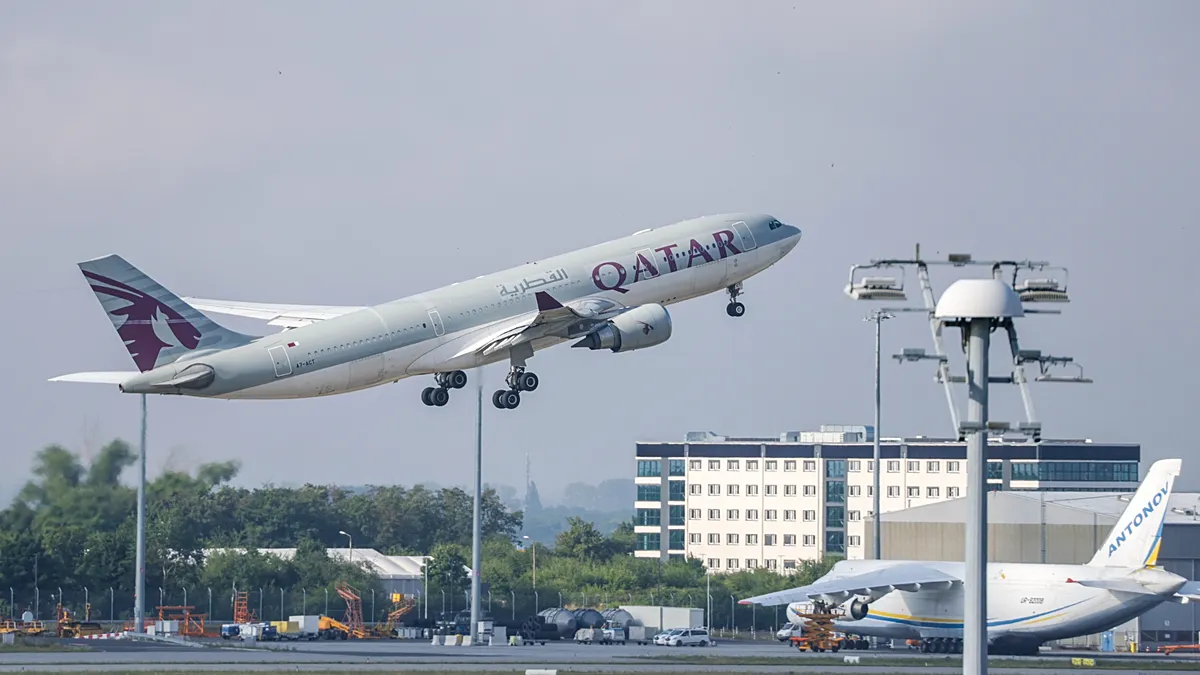
EU to Implement Carbon Costs on International Flights Starting 2029
Poinews.com – The European Commission has announced plans to impose carbon costs on international air travel operating within the EU’s borders, beginning in 2029. This significant shift in policy aims to modernize the Emissions Trading System (ETS) and align it more closely with global climate targets. The reform will apply to flights arriving in Europe from destinations within a 5,000 km radius, such as those connecting Paris to Dubai or London to Istanbul, while longer-haul routes like Paris to Tokyo will remain exempt. This move is expected to create a more equitable system, ensuring that European airlines contribute fairly to global emissions reductions.
Details of the Carbon Pricing Expansion
The proposed expansion of the ETS to cover international flights marks a turning point in the EU’s approach to combating aviation emissions. Under the new rules, carriers will be required to purchase carbon allowances for flights landing in the EU, regardless of their departure point. This will create a direct link between emissions and financial responsibility, encouraging airlines to adopt greener technologies and operational practices. The decision follows years of debate over the scope of the carbon market, with critics arguing that excluding international flights had created an uneven playing field compared to non-EU competitors.
Currently, the ETS governs domestic flights and some international routes within the European Economic Area (EEA). However, the Commission’s draft proposal introduces a more comprehensive framework. It also outlines exemptions for certain routes, including those from the United States and China, as well as domestic services to the EU’s outermost regions, such as flights between mainland Spain and the Canary Islands. These exemptions are intended to provide transitional support while the system adapts to the new requirements, with the latter set to expire by the end of 2035.
The Rationale Behind the Policy Change
Climate Commissioner Hopke Woekstra emphasized that the expansion of the carbon market is essential to address the growing emissions from aviation. “International flights set to pay carbon are a critical step in ensuring the EU meets its climate commitments and stays competitive in the global fight against climate change,” he stated. The policy aims to rectify the imbalance created by the previous “stop-the-clock” approach, which allowed international flights to avoid carbon charges after opposition in 2013. By integrating these flights into the ETS, the EU seeks to incentivize sustainable practices across the sector.
Under the revised ETS, aviation emissions will be tracked and regulated alongside other industries. This includes a 2% sustainable aviation fuel (SAF) requirement by 2025, which is seen as a first step toward a 70% SAF target by 2050. The Commission also plans to pair the policy with investment programs and research initiatives to support the development of low-carbon technologies. While some EU member states and industry groups have raised concerns about the potential impact on competitiveness, officials argue that the long-term environmental benefits justify the cost.
Global Implications and Industry Response
The expansion of the carbon market to international flights has sparked both support and skepticism within the aviation industry. Proponents argue that it will drive innovation and reduce the environmental footprint of air travel, particularly as global demand for air transport continues to rise. Critics, however, warn that the policy could lead to higher ticket prices and a potential shift in traffic to non-EU countries. “International flights set to pay carbon will not only affect European carriers but also influence global aviation practices,” said one industry analyst. The European Commission remains confident that the measure will encourage a transition toward cleaner energy sources and more efficient flight operations.
With the ETS set to evolve in 2029, the EU is positioning itself as a leader in climate action. The new system will also require international airlines to report emissions data, creating transparency and accountability across borders. This comes as the bloc prepares to meet its 2030 climate targets, with the carbon market playing a central role in achieving net-zero goals. The reform is part of a broader strategy to integrate environmental considerations into all aspects of the aviation sector, from fuel sources to aircraft design.