
Spain deploys troops to Ceuta after surge in illegal migrant crossings from Morocco
```html

Spain Deploys Troops to Ceuta as Migration Crisis Intensifies
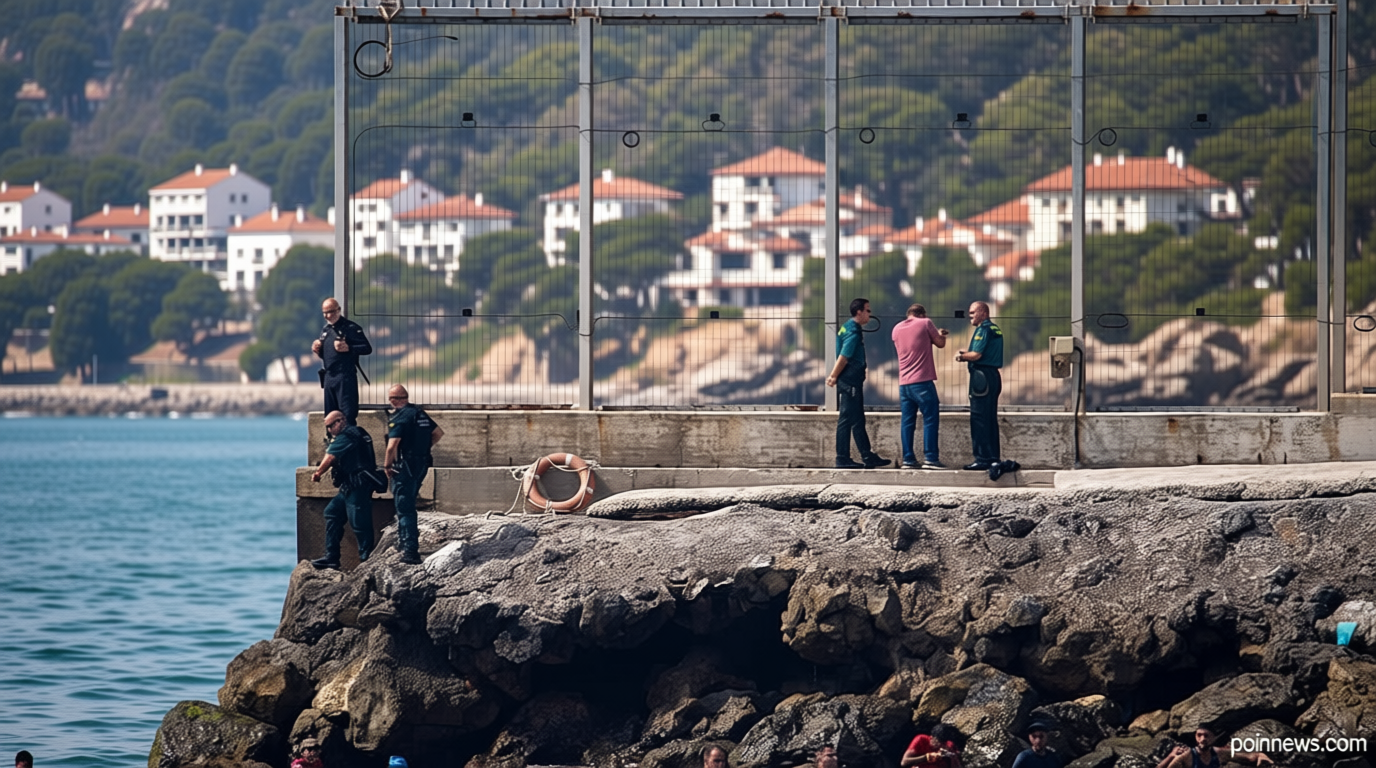
Poinews.com – Spain deploys troops to Ceuta in response to a dramatic surge in illegal migrant crossings from Morocco, marking one of the most significant border challenges in recent years. The Spanish government has mobilized military personnel to reinforce security operations at the North African enclave following what officials describe as an unprecedented wave of unauthorized entrants. These migrants have been arriving through multiple routes, with many choosing to swim across the waters separating Morocco from the Spanish territory. The autonomous city’s local administration had previously requested emergency assistance from Madrid, explaining that municipal resources were being stretched to their absolute limits by the sudden escalation in daily border crossings.
Initially, the Interior Ministry had dismissed suggestions of declaring a nationwide emergency situation. However, circumstances quickly changed as the situation at Ceuta continued to deteriorate. Troop movements were confirmed and deployed with the primary objective of stabilizing conditions within the territory. Political pressure has intensified considerably, with opposition parties demanding immediate and decisive action. The Prime Minister is scheduled to travel to Ceuta on Friday to address the mounting concerns directly and demonstrate government commitment to resolving the crisis.
European Union Response and Historical Context
Magnus Brunner, Austria’s representative who currently serves as the European Commissioner for Migration, has emphasized the importance of continuous dialogue with Spanish officials throughout this developing situation. He highlighted that safeguarding the European Union’s outer boundaries constitutes “a crucial part of our efforts to fight illegal migration.” The European Commission has additionally provided substantial operational assistance through Frontex to support Spain’s containment measures and help manage the influx of migrants.
Current developments at Ceuta have evoked strong memories of the 2021 migration emergency, which remains one of the most significant border crises in European history. During that earlier emergency, approximately ten thousand individuals gained access to Ceuta within a remarkably short forty-eight-hour window. That crisis established an important precedent for the scale of movement that is now being witnessed once again, providing valuable lessons for current response strategies.
Border Dynamics and Diplomatic Relations
On Thursday, numerous individuals utilized inflatable vessels or simply swam to reach Tarajal beach, creating overwhelming challenges for Civil Guard personnel stationed at the critical crossing point. The human cost of these crossings remains significant and deeply concerning, with more than sixty fatalities recorded among those attempting the journey over the previous twelve months. These tragic losses have added urgency to Spain’s decision to deploy additional military resources to the region.
Pedro Sánchez has expressed his administration’s unwavering dedication to delivering swift and effective action, promising close collaboration with Moroccan counterparts to reestablish normalcy as promptly as possible. Fernando Grande-Marlaska, Spain’s Interior Minister, will journey to Ceuta to consult directly with regional leaders and evaluate the on-the-ground conditions firsthand. This high-level engagement demonstrates the seriousness with which the Spanish government is approaching the situation.
“a crucial part of our efforts to fight illegal migration”
Both nations have confirmed agreement on an expedited return mechanism for migrants, though specific deadlines and numerical targets remain undisclosed to the public. Complicating matters further, Spanish authorities suggest that criminal organizations might be capitalizing on a recent judicial decision to motivate undocumented individuals to attempt the crossing. These trafficking networks are reportedly exploiting legal loopholes to increase their profits during this period of heightened migration activity.
Moroccan officials have attributed primary responsibility to traffickers as well, despite their own law enforcement agencies managing border operations on their side. Diplomatic representatives from Rabat have maintained that rising irregular crossings do not signal any deliberate policy shift toward encouraging unauthorized migration into Spain. They continue to emphasize their commitment to bilateral cooperation and shared responsibility for managing migration flows.
Nevertheless, Civil Guard sources operating within Ceuta have expressed doubts regarding the extent of Moroccan assistance, noting that contributions from the Moroccan Gendarmerie proved inadequate given the intense pressure at the frontier. This assessment contrasts notably with the Spanish government’s public position that bilateral cooperation continues actively despite current difficulties. The situation remains fluid, with both nations working to find sustainable solutions to what has become a recurring challenge for European border management.