Ukraine hits refineries deep inside Russia as Moscow strikes train station and ship
Ukraine hits refineries deep inside Russia in a significant escalation of its long-range campaign, striking two major oil facilities hundreds of kilometres

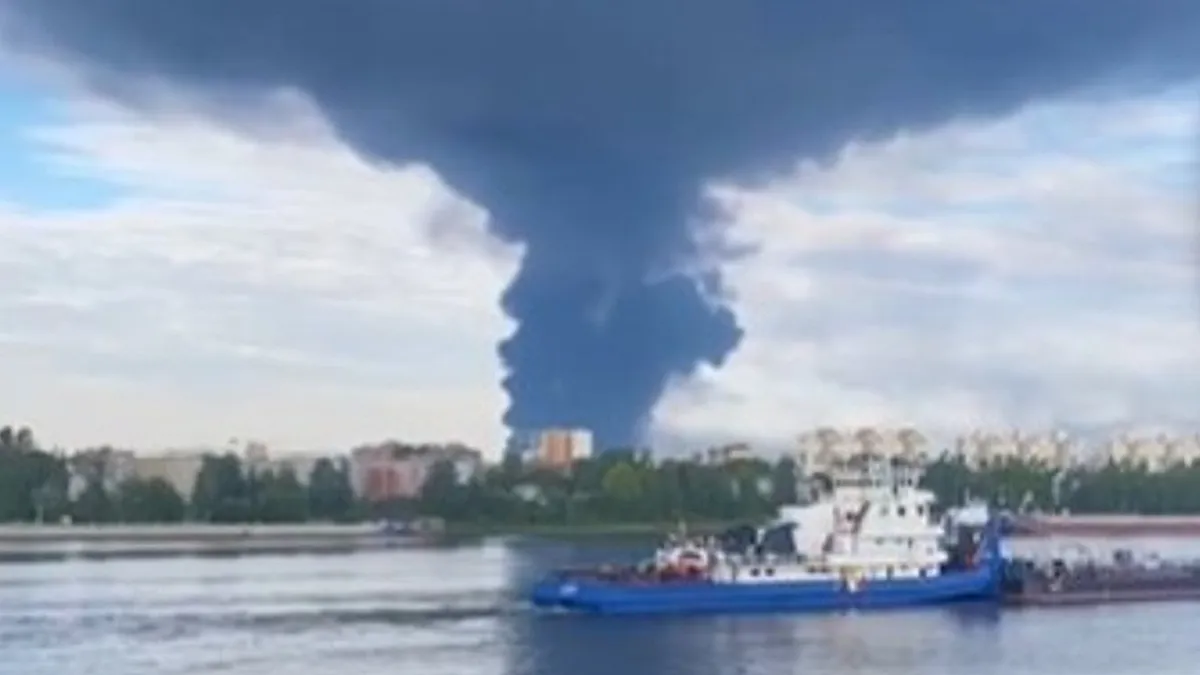
Table of Contents
Ukraine Hits Refineries Deep Inside Russia in Major Overnight Strike
Poinews.com – Ukraine hits refineries deep inside Russia in a significant escalation of its long-range campaign, striking two major oil facilities hundreds of kilometres from the front lines. President Volodymyr Zelenskyy confirmed the successful overnight operation on Thursday, while Russia simultaneously targeted a Ukrainian train station and commercial vessel in what appears to be coordinated retaliation. Both nations have dramatically intensified their cross-border attacks in recent months, resulting in a sharp increase in civilian casualties on both sides of the conflict.
The Ukrainian strikes specifically targeted oil refineries in the Bashkortostan and Yaroslavl regions, located approximately 700 kilometres from the active combat zone. This represents one of the deepest penetrations into Russian territory by Ukrainian forces during the ongoing war. Zelenskyy emphasized that these operations are “strengthening the prospects for diplomacy,” adding that “Russia must choose peace.” The president shared video footage from Russian social media showing thick black smoke rising above the damaged oil facility, providing visual evidence of the successful strikes.
Russian Air Defence Records and Regional Impact
Russia’s defence ministry reported that its air defence systems downed 605 Ukrainian drones during the overnight operation. The governor of the Yaroslavl region, situated north of Moscow where one of the refinery strikes occurred, described the attack as the “most massive” against the region throughout the entire war. According to regional reports, 92 drones were intercepted specifically in Yaroslavl alone. Meanwhile, in the Tver region—also located north of Moscow—a drone successfully struck a logistics centre belonging to Wildberries, the Russian e-commerce giant that has become a frequent target of Ukrainian operations over the past month.
The timing of these attacks appears strategic, coming just a day after Russian missile strikes on Kyiv killed at least 17 people and destroyed warehouses belonging to multiple retailers. This Russian offensive was widely interpreted as a direct response to Ukraine’s campaign targeting Wildberries, which has been nicknamed “Russia’s Amazon” by international media. Kyiv’s inability to intercept any of the Russian missiles prompted urgent appeals from Zelenskyy for additional air defence supplies from international partners.
Additional casualties were reported overnight as fresh Russian attacks killed two people at the Lozova train station in the northeastern Kharkiv region. Simultaneously, a commercial vessel carrying Ukrainian wheat was struck in the Black Sea by Russian forces, resulting in one fatality according to the Odesa region governor. These coordinated attacks demonstrate Russia’s strategy of maintaining pressure on Ukrainian infrastructure while simultaneously disrupting supply chains.
More than four years after the start of Russia’s full-scale invasion of Ukraine, diplomacy remains at a standstill as both countries ramp up long-range strikes, causing a growing number of civilian casualties on both sides.
Strategic Implications for the Conflict
The pattern of Ukraine hitting refineries deep inside Russia represents a significant shift in military strategy. By targeting energy infrastructure far from the front lines, Kyiv aims to disrupt Russia’s war economy while demonstrating that no Russian territory is truly safe from Ukrainian strikes. This approach complements Ukraine’s record deployment of drones against Russian targets while Moscow maintains its own campaign of all-time high missile attacks against Ukrainian cities.
The simultaneous nature of these operations—Ukraine striking Russian refineries while Russia targets Ukrainian transportation and commercial assets—suggests both sides are attempting to gain strategic advantage through coordinated multi-front operations. The civilian toll continues to rise as both nations refuse to de-escalate their campaigns, with diplomatic efforts remaining stalled despite increasing pressure from international observers.
Frequently Asked Questions
What regions in Russia were targeted by Ukraine?
Ukraine struck oil refineries in the Bashkortostan and Yaroslavl regions, both located approximately 700 kilometres from the Ukrainian front lines. These represent some of the deepest penetrations into Russian territory during the current conflict.
How many drones did Russia claim to have downed?
Russia’s defence ministry reported downing 605 Ukrainian drones during the overnight operation, with 92 of those intercepted specifically in the Yaroslavl region alone.
What was the civilian impact of these attacks?
The attacks resulted in multiple casualties, including 17 deaths from Russian missile strikes on Kyiv, two people killed at the Lozova train station, and one person aboard a commercial vessel in the Black Sea.
Why is Wildberries a frequent target?
Wildberries, often called “Russia’s Amazon,” has become a strategic target for Ukraine due to its role in Russia’s economy and its logistics infrastructure, which has been heavily targeted over the past month.