How to film and photograph the eclipse without damaging your phone’s camera
How to film and photograph the eclipse without damaging your equipment has become a pressing question for millions of skywatchers. On August 12, observers

Table of Contents
How to Film and Photograph the Eclipse Safely in Spain
Poinews.com – How to film and photograph the eclipse without damaging your equipment has become a pressing question for millions of skywatchers. On August 12, observers across northern and eastern Spain will witness a spectacular celestial event. The Moon will completely cover the Sun’s disk, creating the first total solar eclipse visible from the Iberian Peninsula in more than a century. The previous occurrence of this rare phenomenon took place in 1912, making this event particularly significant for modern astronomy enthusiasts.
The Moon’s shadow will travel across Galicia, moving from west to east until it reaches Palma de Mallorca as the Sun begins its descent. Mainland viewers can expect the partial phase to commence around 19:30 local time. Maximum darkness will arrive between 20:27 and 20:35, depending on your exact location. The entire event concludes shortly before 21:30, with the Sun already positioned low on the horizon in certain regions. During totality, which lasts for barely under two minutes, the sky transforms dramatically.
Adding extra wonder to this evening, the Perseid meteor shower reaches its peak simultaneously. Maintaining your position at an optimal observation site provides a double celestial reward for patient viewers.
Understanding Camera Protection During the Eclipse
When learning how to film and photograph the eclipse, protecting your smartphone’s camera becomes essential. Smartphone cameras function similarly to magnifying glasses, concentrating incoming sunlight through their lenses onto tiny sensor surfaces. Prolonged exposure to direct solar rays without proper protection can overheat the camera module and permanently damage the photodiodes that compose the sensor. This damage typically manifests as irrecoverable blotches or dead pixels in your images.
Furthermore, excessive heat may trigger your phone’s thermal protection mechanisms, causing unexpected shutdowns during critical moments. While comprehensive statistics remain limited, documented cases confirm that users have experienced photodiode damage, resulting in gradients or dark spots within their eclipse photographs.
Experts highlight important distinctions: brief, single exposures rarely harm the smaller sensors found in smartphones compared to professional camera equipment. However, risk increases significantly when utilizing zoom capabilities for extended periods or attaching external telephoto lenses. The longer your lens points toward the Sun without adequate filtration, the greater the probability of sensor failure and black spots appearing in your recorded footage.
Essential Methods for Capturing the Eclipse
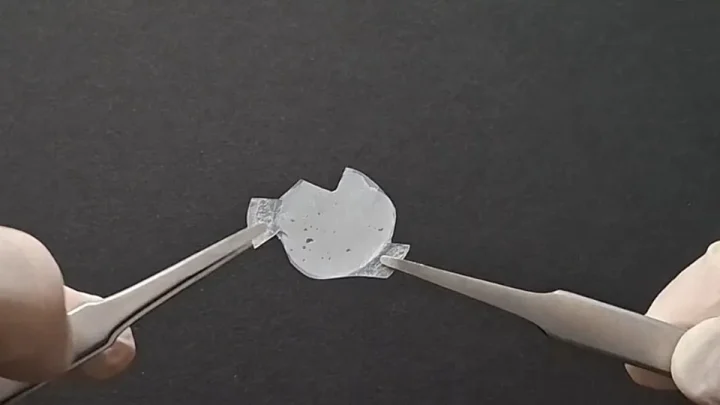
Every reliable guide emphasizes one fundamental principle: whenever the Sun remains even partially visible, a solar filter becomes mandatory without exception. The only standard recognized by NASA and major astronomical organizations is ISO 12312-2:2015, which matches the certification required for eclipse viewing glasses.
Purchasing expensive accessories proves unnecessary for quality results. An economical solution involves removing the lens from certified eclipse glasses and positioning it before your phone’s camera, ensuring complete coverage with no light-leaking gaps. For those seeking more robust alternatives, high-density neutral solar filters rated ND100000, specifically designed for smartphones, cost less than 40 euros and provide excellent protection.
Importantly, viewing the eclipse directly on your phone’s screen carries no danger to your eyesight, though the camera sensor remains vulnerable. The threat resides within the sensor itself, mirroring the risk to human eyes, rather than in the display. Should you miss capturing the perfect image, rest assured that professional photographers will document the event with appropriate equipment. For most observers, simply remembering the sky’s gradual darkening during the late afternoon will suffice.
Frequently Asked Questions
Can I use regular sunglasses to protect my phone camera during the eclipse? No, regular sunglasses do not provide sufficient protection. You must use filters certified to ISO 12312-2:2015 standard, the same certification required for eclipse glasses.
How long can I keep my phone camera pointed at the Sun? Brief exposures of a few seconds are generally safe. However, continuous filming or photography for more than a minute without a proper solar filter increases the risk of sensor damage significantly.
Will using zoom damage my phone camera during the eclipse? Yes, zoom functions concentrate more sunlight onto the sensor. When using zoom capabilities, ensure you have a proper solar filter attached to prevent overheating and permanent photodiode damage.
Is it safe to watch the eclipse on my phone screen? Absolutely. Watching the eclipse on your phone’s display poses no risk to your eyesight. The vulnerability exists only in the camera sensor when filming or photographing directly.
What is the best time to capture the eclipse with my smartphone? The best moments occur during totality when the Sun is completely covered. However, remember to attach your solar filter before the eclipse begins and keep it on until the Sun reappears completely.