Airbus at Vivatech: How quantum sensing and AI can transform flying
Airbus at Vivatech: How quantum sensing and AI can transform flying Airbus at Vivatech - With global air travel expected to surge, Airbus is exploring

Airbus at Vivatech: How quantum sensing and AI can transform flying
Poinews.com – With global air travel expected to surge, Airbus is exploring advanced technologies that could revolutionize how planes navigate increasingly congested skies and airports. The company highlights that the number of aircraft in operation may nearly double by 2046, while airport facilities will struggle to keep up with this growth. This projection underscores the need for smarter solutions to manage the complexities of dense air traffic, from navigating through crowded taxiways to adapting to erratic weather patterns caused by climate change.
Optimate’s Vision for Modern Aviation
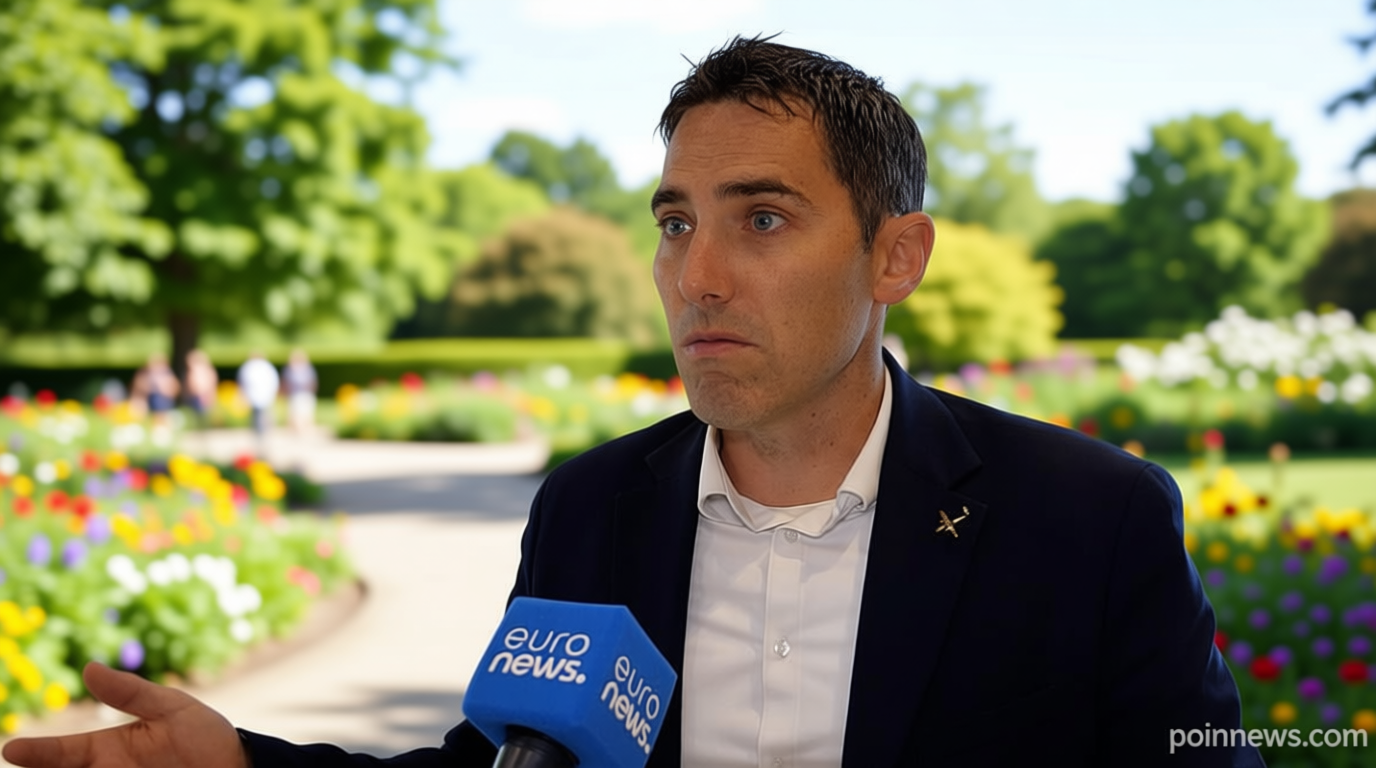
Jonathan Rigaud, lead of Airbus’ Optimate project, emphasized at Vivatech in Paris that innovative approaches are essential to tackle these challenges. The initiative focuses on smart automation, integrating tools like artificial intelligence, quantum sensing, and data fusion. Rigaud outlined three core objectives: ensuring safe flight paths, streamlining operational efficiency, and aiding pilots during low-visibility conditions such as heavy rain or fog.
“We need to find different ways to think—and use the technology we have—to overcome those complexities,” Rigaud told Euronews Next. “The goal is to be as optimised as possible.”
Airbus is also experimenting with radar, LiDAR, cameras, and computer vision to enhance situational awareness for aircraft. These systems aim to detect potential obstacles or hazards in real time, with AI analyzing data to distinguish between familiar objects and those requiring evasive action. The project’s focus on taxiing—when planes move around the airport before takeoff or after landing—highlights efforts to reduce ground time, which currently averages over 20 minutes per flight.
To refine these technologies, Airbus employs a truck-like demonstrator, referred to as an “aircraft on wheels,” for trials. Over the past two years, the company has conducted more than 400 hours of testing at complex hubs like Paris Charles de Gaulle, which features over 115 kilometers of taxiways. Rigaud noted that this phase has provided insights into which innovations could be implemented in existing or next-generation planes.
Building Resilience Against Navigation Threats
Another key area of investigation is independent navigation systems. With rising geopolitical tensions, vulnerabilities like GPS jamming and spoofing have become more pressing, prompting Airbus to develop alternatives. While GPS remains a primary tool, the company is also testing inertial navigation systems and technologies such as quantum sensing and ground-based visual navigation. These methods combine data from multiple sources to create a more reliable and resilient framework for aircraft movement.
“With the computation we have tested different ways…to not be linked to one system and to be robust,” Rigaud explained.
Rigaud stressed that pilots will continue to make critical decisions, with automation serving as a support system by delivering precise, real-time data. This approach aims to enhance safety and efficiency without replacing human oversight. For further details, watch the video embedded above.