The Oasis and Glastonbury effect: How 2025 was a record year for UK music tourism
The Oasis and Glastonbury Effect: 2025's Record UK Music Tourism Year The Oasis and Glastonbury effect - As 2025 came to a close, the UK’s music scene emerged

The Oasis and Glastonbury Effect: 2025’s Record UK Music Tourism Year
Poinews.com – As 2025 came to a close, the UK’s music scene emerged as a powerful engine for tourism, with the Oasis and Glastonbury effect driving unprecedented attendance figures. A comprehensive analysis by UK Music revealed that the nation’s thriving live events and iconic festivals attracted over 24.7 million visitors, marking a record-breaking year for music tourism. This surge in interest not only highlights the cultural significance of the UK’s music industry but also underscores its economic impact, as fans flocked to experience top-tier performances and immersive festival atmospheres.
Record Attendance and Economic Growth
The data from 2025 demonstrates a remarkable 4.8% increase in music-related tourism compared to 2024, with 24.7 million people attending events. Of these, 22.6 million were domestic visitors, reflecting a 3.2% annual rise from 2024. International attendance also saw a significant leap, climbing to 2.1 million—a 26.8% surge over the previous year. This growth is attributed to the strong lineup of festivals and major acts that captivated global audiences.
“The Oasis and Glastonbury effect has redefined the UK’s role as a music destination,” remarked UK Music’s report.
Financially, the music tourism sector generated £11.2 billion in revenue during 2025, a 11.3% increase from the previous year. Key festivals like Glastonbury, Download, and Reading, alongside major concerts by headline acts, were central to this success. The North West region, home to many iconic venues and festivals, saw a 15.6% rise in spending to £1.4 billion, while London’s 27.4% growth reached £3.4 billion. These figures highlight the broader regional impact of music events beyond just local appeal.
Iconic Performances and Fan Engagement
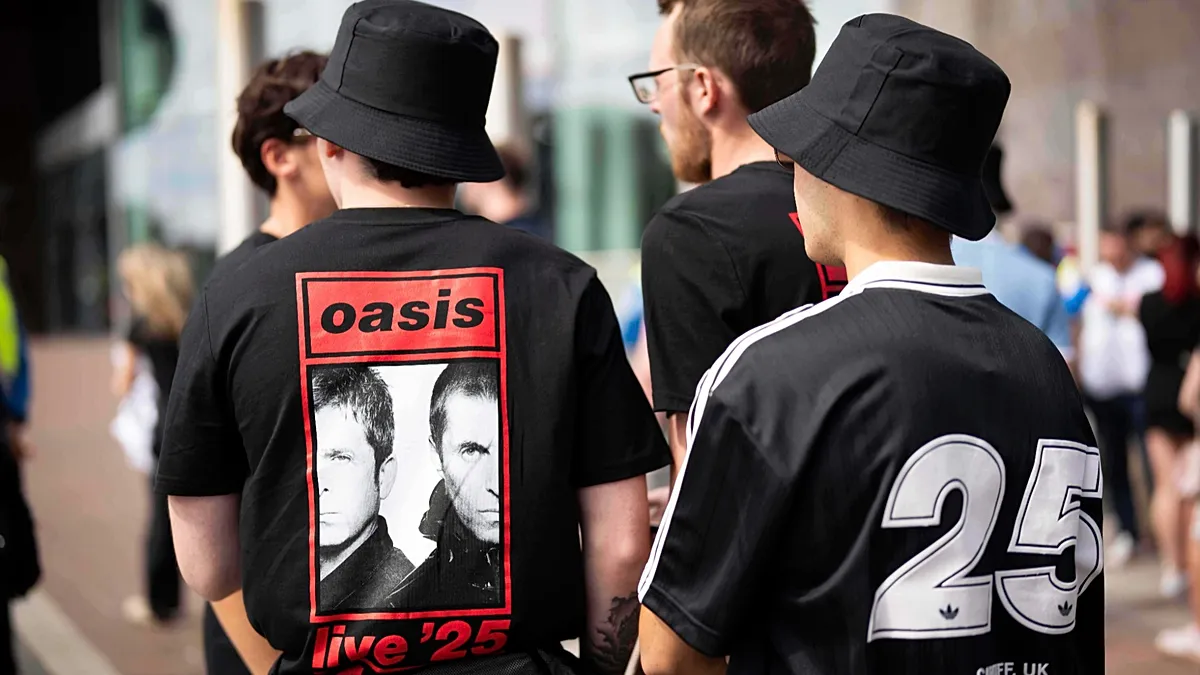
The year was defined by the electrifying return of Oasis, whose 17 sold-out concerts across the UK—including a historic run in Manchester—captivated fans and contributed significantly to the record attendance. Their performances, which drew nearly 1.4 million attendees, exceeded initial projections, with fans spending an average of £766 per person on travel, accommodation, and tickets. This level of engagement was mirrored by other high-profile acts, such as Ed Sheeran’s residency at Ipswich Town’s Portman Road stadium and appearances by The 1975 and Olivia Rodrigo at Glastonbury.
“The blend of nostalgia and global star power amplified the Oasis and Glastonbury effect, creating a lasting impact on the UK’s tourism landscape,” the report noted.
Similarly, the presence of international acts like Blackpink and Neil Young at major festivals brought new audiences to the UK, further diversifying the market. The cumulative effect of these performances not only boosted ticket sales but also encouraged fans to travel longer distances, contributing to the overall economic uplift. This pattern of fan-driven tourism became a defining characteristic of 2025, setting the stage for continued growth in 2026.
Regional Impact and Future Outlook
While London and the North West dominated the economic data, other regions also benefited from the music tourism boom. Events in cities like Edinburgh, Bristol, and Birmingham saw notable increases in attendance and spending, indicating a more balanced distribution of the industry’s reach. The success of these events has prompted local authorities and businesses to invest in infrastructure and marketing to sustain the momentum.
“The Oasis and Glastonbury effect has shown that music festivals and concerts are not just cultural phenomena but economic catalysts,” said UK Music’s analysis.
Looking ahead, the 2025 results suggest that the UK’s position as a global music tourism hub is firmly established. With major festivals and concerts continuing to draw record numbers, the sector is expected to maintain its upward trajectory. The integration of digital platforms and immersive experiences is likely to further enhance the appeal, ensuring that the Oasis and Glastonbury effect remains a key driver of the UK’s cultural and economic identity for years to come.