Ukraine’s commander-in-chief says turning point in war with Russia ‘still a long way off’
Ukraine's Commander-in-Chief on the War's Turning Point: Still a Long Way Off Ukraine s commander in chief says - Ukraine's commander-in-chief, Oleksandr

Ukraine’s Commander-in-Chief on the War’s Turning Point: Still a Long Way Off
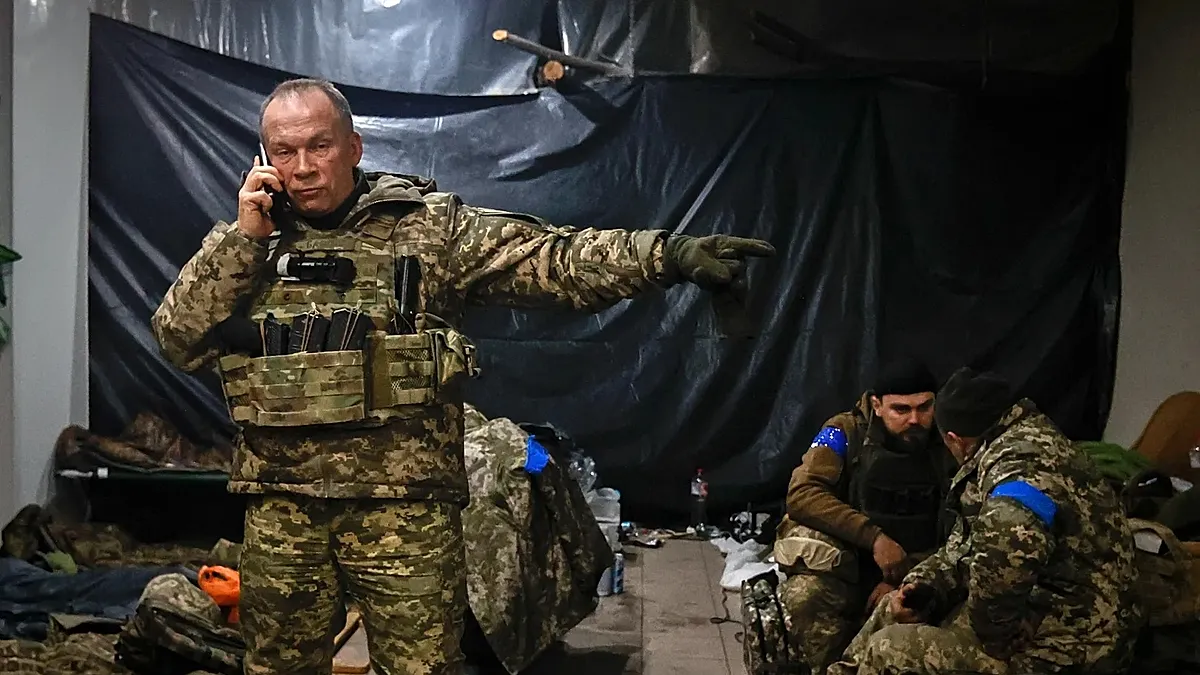
Poinews.com – Ukraine’s commander-in-chief, Oleksandr Syrskyi, has stated that a decisive shift in the conflict with Russia remains distant, emphasizing the ongoing challenges faced by Ukrainian forces. In a recent address, Syrskyi outlined that while Ukraine has managed to slow Russian advances and inflict significant damage on their operations, the enemy’s strategic goals continue to evolve. “The aggressor has not abandoned its plans for full occupation of the Luhansk and Donetsk areas,” he remarked, highlighting the persistent threat of Russian expansion. Syrskyi also noted the increased focus on securing strategic positions in Dnipropetrovsk and Zaporizhzhia, as well as reinforcing northern Ukraine to counter potential incursions.
Frontline Stagnation and Strategic Offensives
Despite tactical successes, the front lines have largely remained static, with Russia maintaining its relentless aerial bombardments. Cities like Kyiv and Kherson have endured frequent attacks, underscoring the intensity of the conflict. In response, Ukraine has shifted its strategy to target Russia’s energy infrastructure, launching coordinated strikes on oil refineries, storage facilities, and terminals to weaken Moscow’s economic foundation. These efforts have disrupted fuel supplies and contributed to rising prices, prompting the Russian government to impose a ban on diesel exports to mitigate the financial impact.
Syrskyi’s remarks align with broader assessments of the war’s trajectory. Analysts suggest that Ukraine’s ability to resist Russian advances has stalled progress toward a definitive turning point. While the nation has managed to hold key positions and inflict casualties, the scale of operations continues to grow, with both sides investing heavily in their military capabilities. The commander-in-chief also pointed to the importance of international support, stressing that the supply of advanced weaponry and logistical aid remains critical to Ukraine’s defense efforts.
Casualty Numbers and Human Cost
Casualty figures released by the Center for Strategic and International Studies reveal the staggering human toll of the war. Since February 2022, Ukrainian forces have sustained an estimated 525,000 to 625,000 injuries, with 125,000 to 150,000 fatalities. On the Russian side, the numbers are even more alarming, with over 1.4 million casualties and up to 450,000 deaths reported. These figures highlight the prolonged nature of the conflict and the relentless pace of combat, as both nations continue to pay a heavy price for their objectives.
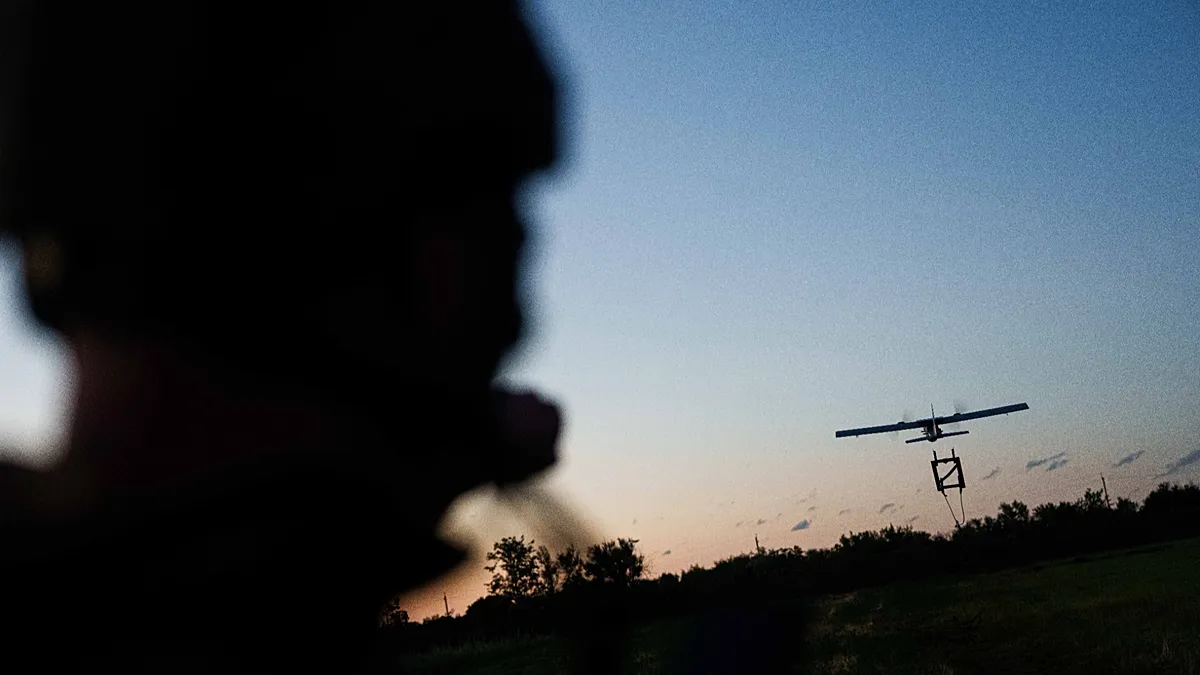
Syrskyi acknowledged the impact of Ukraine’s military campaigns, particularly the use of drones in targeting Russian supply lines. “Our drones have been instrumental in eliminating nearly 28,000 Russian soldiers in June alone,” he stated, underscoring the evolving role of technology in modern warfare. However, he cautioned that such victories have not yet translated into a strategic breakthrough. “The aggressor is adapting, and we must remain vigilant,” Syrskyi added, warning that the war’s outcome will depend on sustained efforts and resilience in the face of continued Russian pressure.
Meanwhile, international attention has turned to the role of advanced weaponry in Ukraine’s defense. At the 2026 NATO summit in Ankara, President Volodymyr Zelenskyy revealed that Ukraine’s acquisition of Patriot systems has enhanced its ability to counter Russian air threats. “We’re going to give a license to you to make Patriots,” US President Donald Trump declared during a meeting with Zelenskyy, marking a pivotal moment in the arms race. This development has bolstered Ukraine’s military capabilities, but Syrskyi remains focused on the long-term challenge of achieving a decisive advantage on the battlefield.