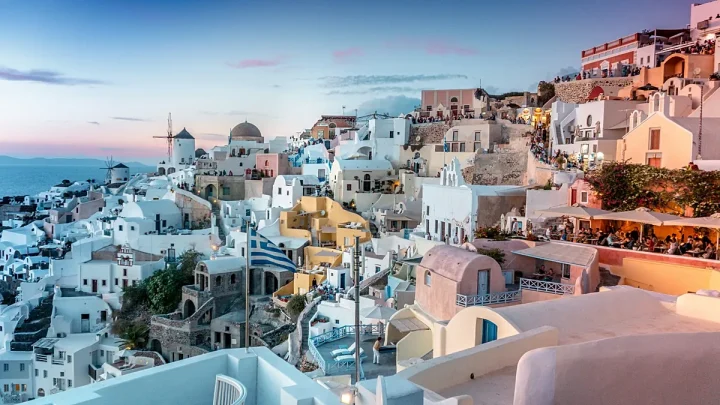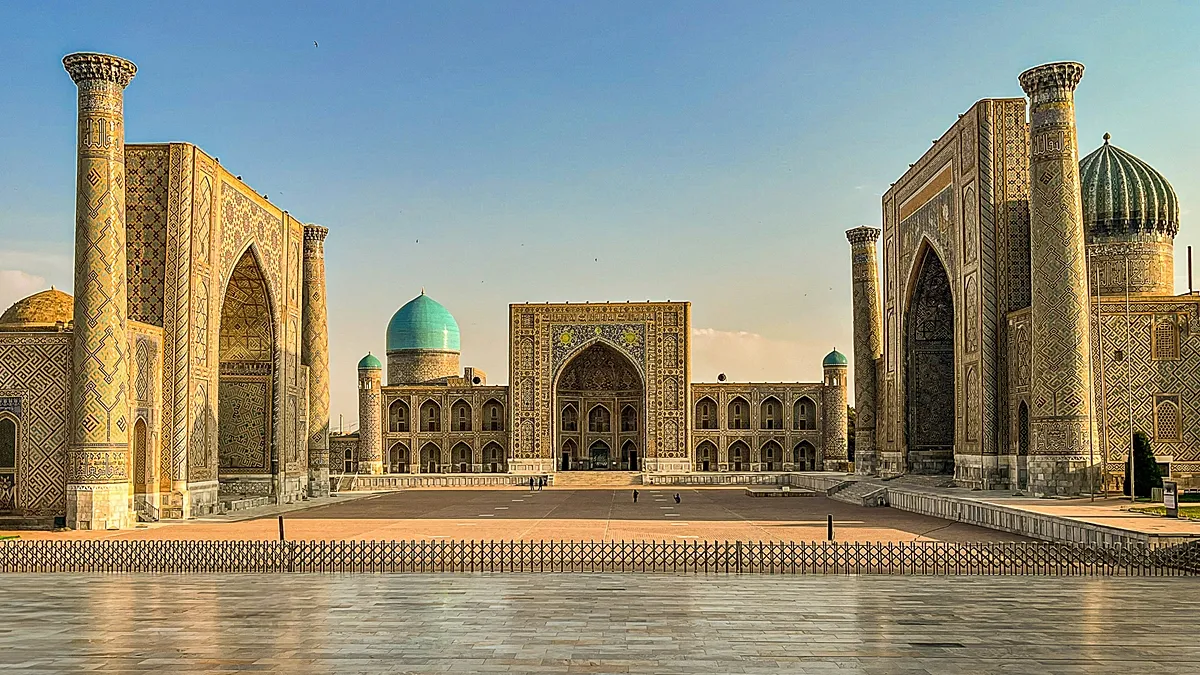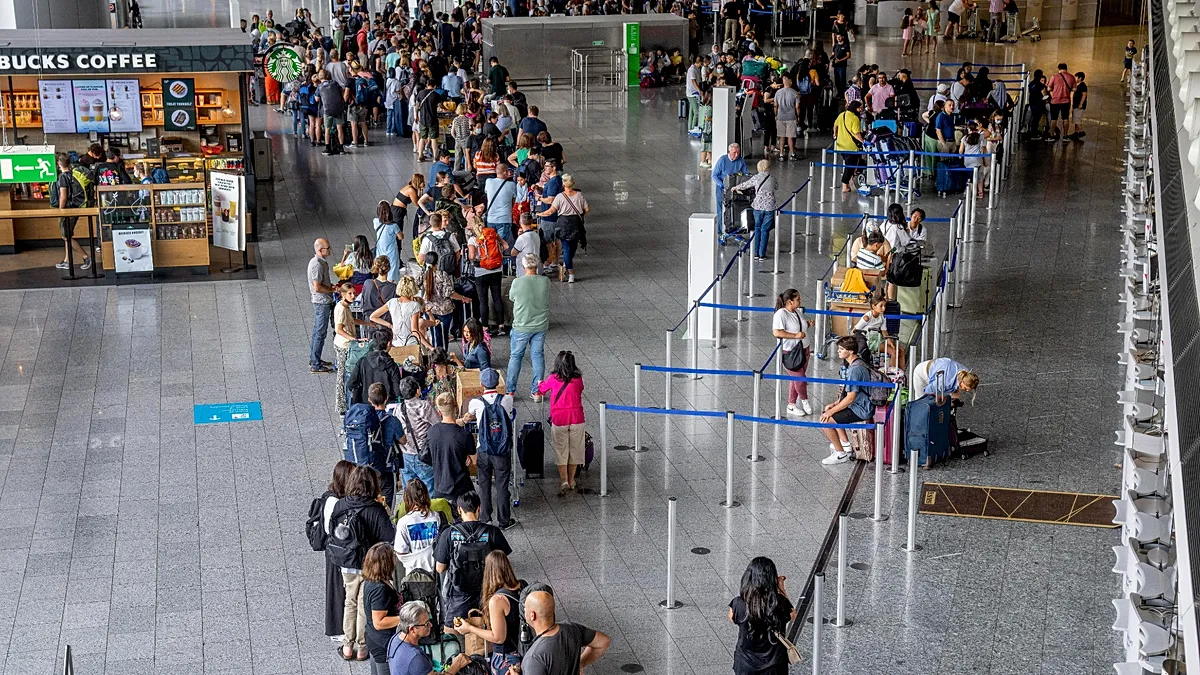
Which cities in Japan are candidates to become the ‘second capital’?
A fierce competition has emerged across Japan for a prestigious title. Lawmakers have recently passed legislation allowing the nation to officially recognize

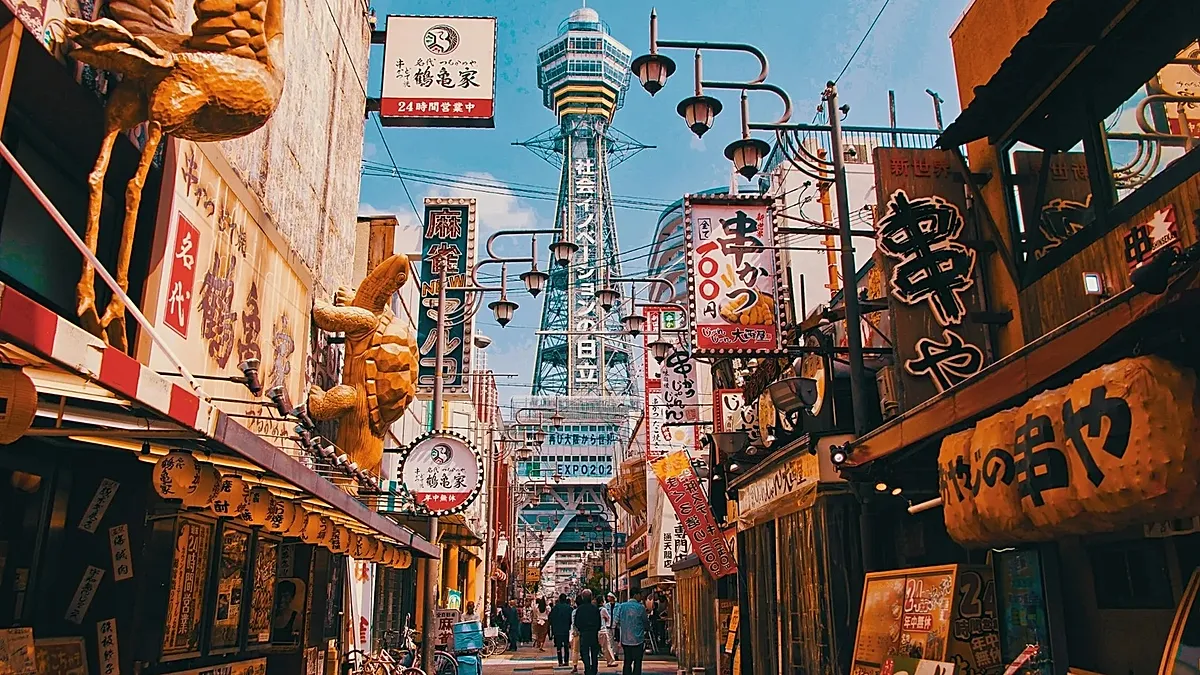
Table of Contents
Japan’s Quest for a New Political Hub: Which Cities Could Join Tokyo as Capital?
Poinews.com – A fierce competition has emerged across Japan for a prestigious title. Lawmakers have recently passed legislation allowing the nation to officially recognize at least one additional location as a backup capital. This strategic decision responds to mounting concerns about disaster resilience and regional balance. Following a challenging year in 2026 marked by powerful tremors, intense tropical cyclones, and unprecedented snow accumulation, officials want to guarantee governmental continuity should Tokyo face catastrophe.
According to Bloomberg, analysts project roughly a seventy percent probability that a magnitude-seven earthquake will impact the greater Tokyo region over the coming three decades. Beyond emergency readiness, policymakers aim to reduce what legislation describes as excessive concentration within the capital. Proposed measures include funding for administrative buildings, improved transit connections, and favorable tax policies for regions selected as secondary capitals.
For international visitors, this evolving landscape presents an opportunity to explore alternative Japanese urban centers. Below are four leading contenders that merit consideration for your upcoming journey.
Sapporo: Japan’s Northern Gem
As Hokkaido’s most populous municipality, Sapporo holds the distinction of being among the country’s newest major urban centers. Historical records indicate only seven residents called this area home in 1857. Modern Sapporo attracts visitors with verdant summer landscapes, reliable winter snowfall, and exceptional ramen that satisfies year-round.
Winters prove particularly substantial here, with precipitation exceeding five meters annually. The celebrated snow festival commenced in 1950 and unfolds throughout February across three distinct venues: the Odori Site, Susukino Site, and Tsu Dome Site. International sculptors gather for the competition featuring impressive frozen creations.
Osaka: The Culinary Capital
Positioned conveniently along the Shinkansen line from Tokyo, Osaka stands as a bustling port metropolis celebrated for energetic evening entertainment and welcoming residents. Food enthusiasts particularly favor this destination for its extraordinary culinary offerings.
Traditional treats include iwa okoshi, a millet-based candied confectionery with origins tracing back to 1185. Visitors also sample okonomiyaki, savory pancake variations, alongside takoyaki, crispy octopus balls wrapped in batter. Dragonpass, an international travel benefits network, has bestowed upon Osaka the nickname “Japan’s kitchen” recognizing its street food prominence.
Beyond gastronomy, the Tsutenkaku Tower provides sweeping vistas from its elevated observation platform.
Fukuoka: Coastal Serenity
Located along Kyushu’s northern shoreline, Fukuoka combines accessible beaches with mountainous hiking routes and abundant vegetation. The Dazaifu Tenmangu shrine features approximately six thousand plum trees that create spectacular displays during spring flowering season. Cherry blossoms and tulips follow in subsequent months.
Historic Yanagawa, known as Fukuoka’s water district, offers canal excursions where boatmen navigate narrow vessels while reciting verses by Hakushu Kitahara, a celebrated Meiji-era poet (1868–1912). These tranquil journeys span slightly more than sixty minutes.
Nagoya: Castle Town Heritage
Positioned geographically between Tokyo and Osaka, Nagoya preserves remarkable historical architecture. The city contains one of Japan’s most substantial castle tower structures. Construction on Nagoya Castle concluded in 1612, though conflict destroyed much of it during 1959. Restoration efforts included the Hommaru Palace within the castle grounds, requiring a decade to complete.
The interior houses a museum presenting comprehensive exhibitions about the fortress’s evolution. Spring transforms the surrounding landscape with cherry blossom displays. Admission runs ¥500 (€2.75) for grown adults, while secondary school attendees and younger visitors enter without charge.
From Osaka’s famous food scene to Fukuoka’s scenic coast, here’s why these front-runners deserve a place on your Japan travel itinerary.
Related Reading
Frequently Asked Questions
What is Which cities in Japan are candidates?
Which cities in Japan are candidates is the main topic of this guide. The article explains the context, practical details, and next steps readers should understand.
Why does Which cities in Japan are candidates matter?
Which cities in Japan are candidates matters because readers are looking for a useful answer, not just a short summary. Good content should match search intent and help them decide what to do next.