EU deployed its biggest wildfire response. Is it what Europe needs?
Europe is burning again, and this time the EU deployed its biggest wildfire response to date. The unprecedented mobilization exposes both the strengths and

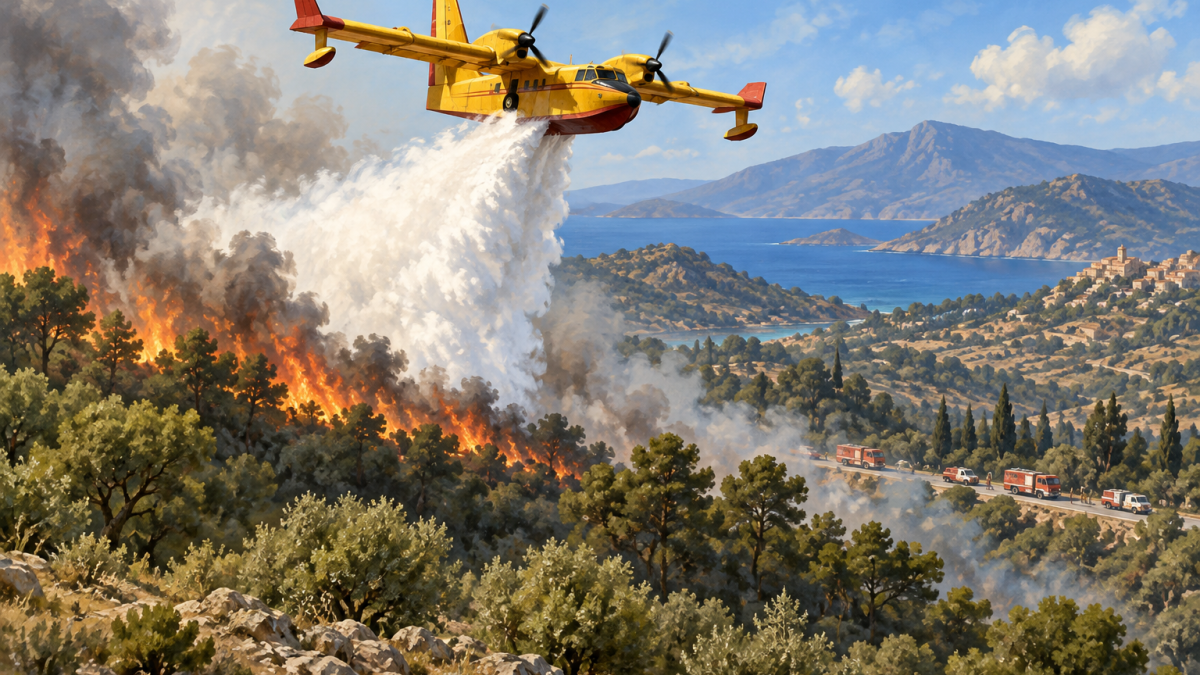
Table of Contents
EU Deployed Its Biggest Wildfire Response: A Turning Point for Europe?
Poinews.com – Europe is burning again, and this time the EU deployed its biggest wildfire response to date. The unprecedented mobilization exposes both the strengths and limitations of the European Union’s emergency coordination system. While firefighting capacity has grown significantly in recent years, progress on reducing wildfire risk by making landscapes less flammable has been slower than many experts hoped. EU countries like Portugal and France were among the first to activate the EU Civil Protection Mechanism as flames spread across southern Europe.
Unprecedented Scale of Mobilization
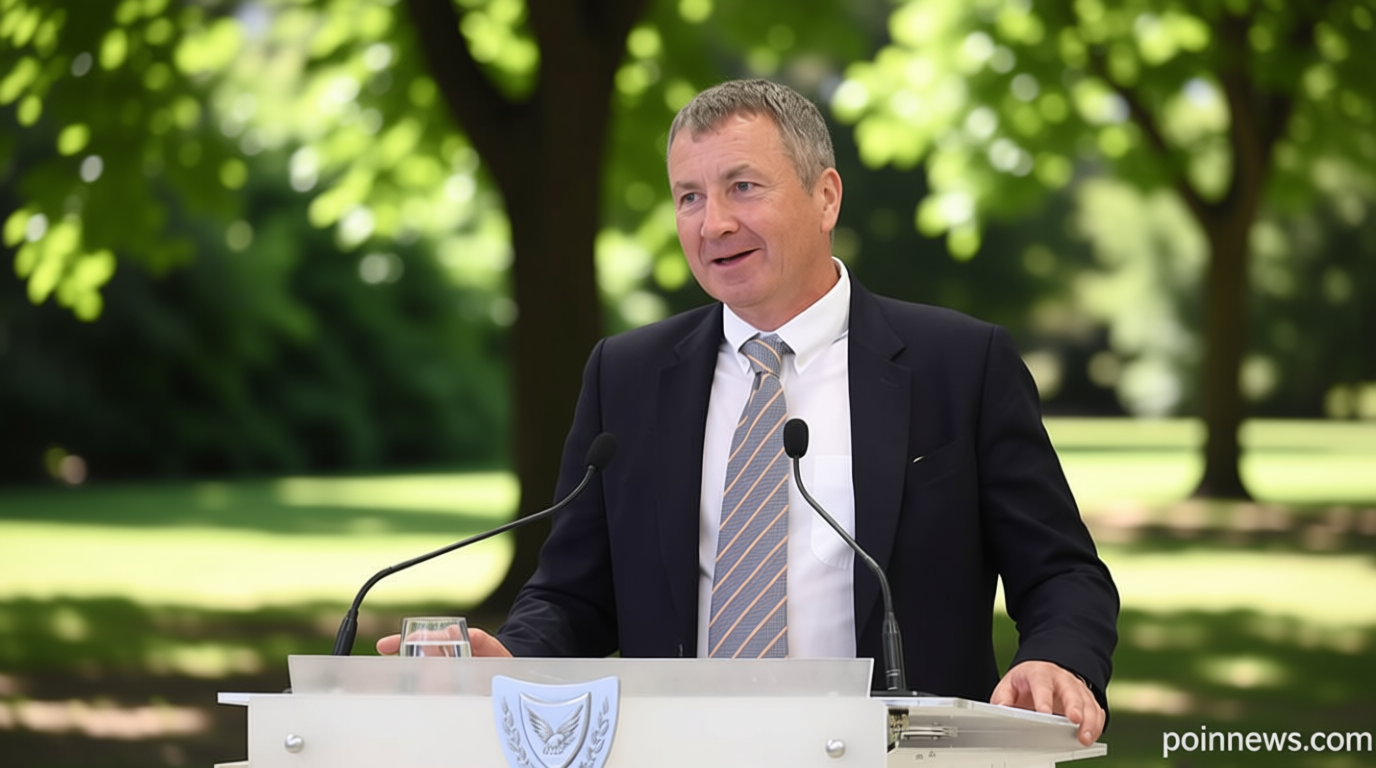
The scope of this operation marks a significant milestone. France received four rescEU planes from Sweden and Cyprus, while Portugal was reinforced with 118 firefighters and 45 vehicles from Spain, plus three rescEU aircraft from Italy and Spain. “We have regular wake-up calls, but this one is the biggest since couple of years,” said Commissioner for Equality, Preparedness and Crisis Management Hadja Lahbib, adding that “Europe stands together.”
According to the European Forest Fire Information System (EFFIS), the EU had recorded 1,407 wildfires by 30 July 2026, burning almost 435,000 hectares and releasing an estimated 17.98 million tonnes of CO₂. These figures are below last year’s record season, but still remain above the 20-year average. Forecasters warn the risk isn’t over, with “very extreme conditions” flagged across Portugal, Spain, France, Italy and Greece.
The Commission says this summer’s response is its largest yet: 777 firefighters from 14 countries, 22 planes, and 5 helicopters pre-positioned before fires broke out. This represents the highest participation since the programme launched in 2022. Still, Brussels can only coordinate and fund; the frontline response remains national.
What Europe Needs Moving Forward
While the EU deployed its biggest wildfire response demonstrates political will and operational capacity, experts argue that reactive measures alone are insufficient. Long-term strategies must include landscape management, early warning systems, and cross-border cooperation frameworks. The question remains whether this moment will catalyze deeper structural reforms or simply become another chapter in Europe’s recurring fire crisis.
“Europe stands together” — Commissioner Hadja Lahbib on the unprecedented response effort
Frequently Asked Questions
How many countries participated in the EU’s wildfire response?
Fourteen countries contributed firefighters to the operation, making it the most geographically diverse mobilization since the programme began in 2022.
What is the rescEU mechanism?
rescEU is a European Union reserve of emergency response assets, including aircraft and firefighting teams, that can be deployed rapidly to member states facing disasters.
How does this year’s fire season compare to previous years?
While the 2026 season has seen significant activity with 1,407 wildfires recorded by late July, total burned area and CO₂ emissions remain below last year’s record-breaking season.
For more information on EU emergency response mechanisms, visit the European Commission’s Humanitarian Aid and Civil Protection page.