Hungary’s third-largest lake is disappearing. Can experts save it before it’s too late?
Hungary’s Third-Largest Lake Dries Up: Can Experts Save It Before It’s Too Late? Hungary s third largest lake is disappearing - Hungary’s third-largest lake

Hungary’s Third-Largest Lake Dries Up: Can Experts Save It Before It’s Too Late?
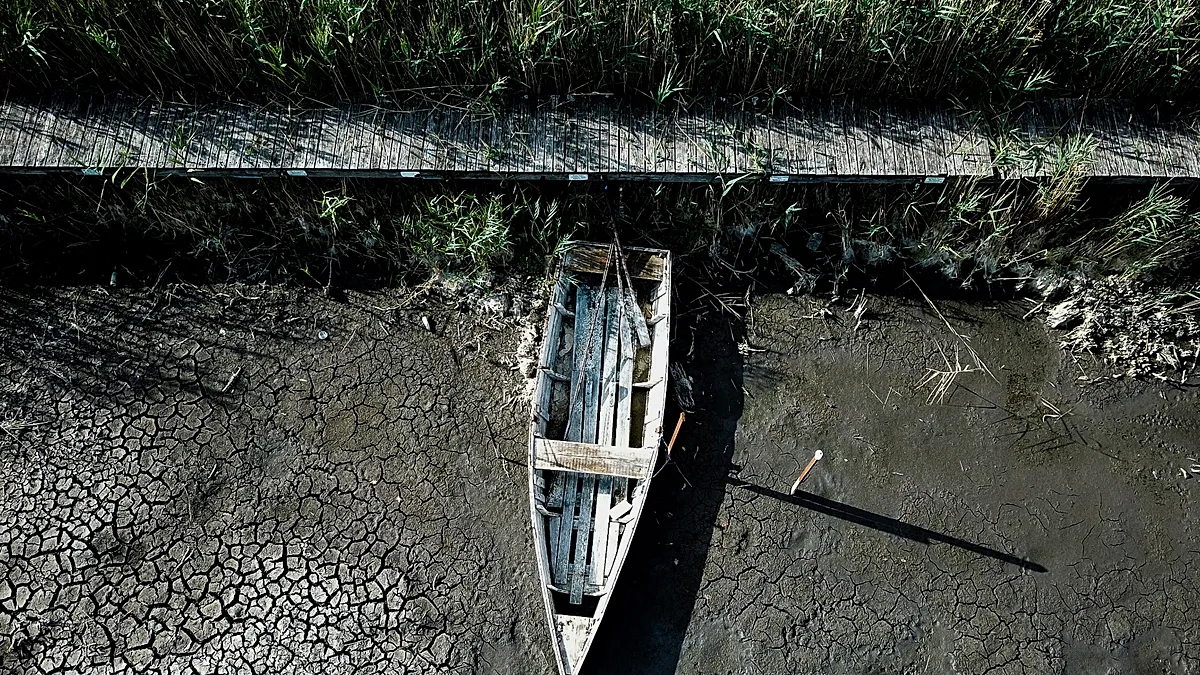
Poinews.com – Hungary’s third-largest lake, Lake Velence, is facing an alarming decline in water levels, threatening its ecological and economic significance. Once a popular summer retreat for locals and tourists, the lake is now at risk of reaching its lowest point in over a decade. The water level has receded so dramatically that metal steps leading to its edge now end in sand, underscoring the urgency of the situation. According to the mayor of Gárdony, a town bordering the lake, the water body has fallen to just 10 centimetres above its historic record low by mid-May, with projections indicating it could breach this threshold by mid-June. This crisis has sparked concerns across Hungary about the long-term viability of the third-largest lake in the country.
Climate Change and Water Mismanagement Drive the Crisis
Experts attribute the shrinking of Hungary’s third-largest lake to a combination of prolonged droughts and decades of unsustainable water management. Climate change has intensified dry spells, reducing rainfall and increasing evaporation rates, while human activities such as draining wetlands for agricultural use have further weakened the lake’s natural resilience. Tibor Horanyi, a spokesperson for the Association of Great Lakes, highlighted that although climate change is a key factor, poor management practices have accelerated the problem. He noted that while Lake Velence has experienced complete desiccation in the past, the current rate of decline is unprecedented, raising fears about its future as a critical natural resource.
Recent data reveals that the lake’s water levels in early June were already at 56 centimetres at Agard, a mere 3 centimetres above the 53-centimetre mark recorded during the 2022 extreme drought. With summer heatwaves expected to raise temperatures, the water level could drop by 20 to 25 centimetres within a single month. If the drought persists, the lake might lose half a centimetre of water daily, reaching a critical 30-centimetre threshold by the end of the season. This trend has led to warnings from environmental experts that without immediate intervention, Hungary’s third-largest lake could face irreversible damage.
Ecological and Economic Impacts of the Drying Lake
The drying of Hungary’s third-largest lake is having severe consequences for its ecosystem. As the water recedes, vital habitats for aquatic life are shrinking, and reed beds—key components of the wetland system—are deteriorating. Sándor Tóth, a civil engineer and leader of the Fejér County Chamber of Engineers, explained in a Telex G7 article that the loss of water is disrupting the natural balance, affecting both flora and fauna. Breeding islands, once lush with vegetation, are now exposed to the elements, putting nesting birds and their chicks at risk. Moreover, shallower waters are heating up faster, creating conditions that foster rapid algae blooms and degrade water quality.
“Only water replenishment can provide a solution to improve the current state of Hungary’s third-largest lake,” Tóth wrote, but “the implementation of the final versions requires a great deal of caution.” His remarks emphasize the need for a multifaceted approach to address the crisis, balancing ecological preservation with the demands of local communities. The loss