‘Europe is ending its addiction to a toxic, costly drug’: Heat pump sales soar as electricity taxes fall
Europe is ending its addiction to imported gas as heat pump sales recover and governments reassess the way they tax electricity. Across 12 European countries

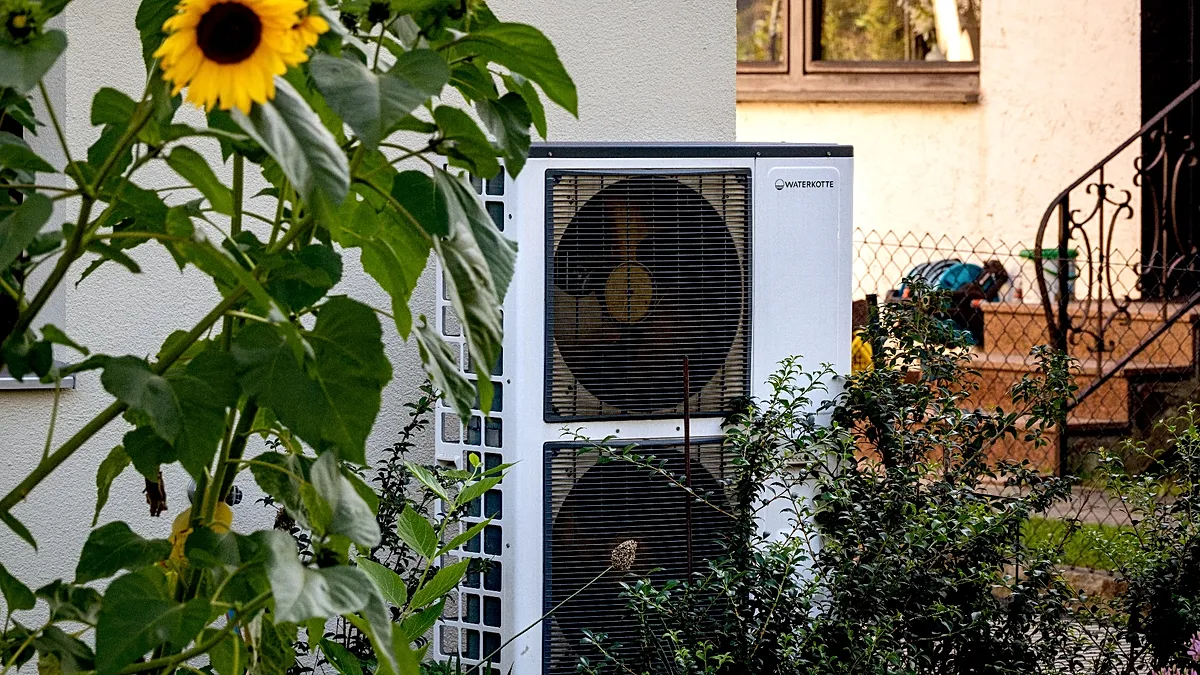
Table of Contents
Europe is ending its addiction to costly fossil gas
Poinews.com – Europe is ending its addiction to imported gas as heat pump sales recover and governments reassess the way they tax electricity. Across 12 European countries, sales rose by 11 per cent in the first half of 2026, reaching around 1.16 million units, up from 1.04 million during the same period in 2025.
The improvement follows a sharp setback in 2024, when first-half heat pump sales were 47 per cent below 2023 levels. The earlier surge in installations, sparked by the 2022 energy crisis, had faded, but renewed pressure from high gas costs is making electric heating more attractive again.
The figures from the European Heat Pump Association cover Austria, Belgium, Switzerland, Denmark, Finland, France, Germany, Italy, the Netherlands, Norway, Portugal and Sweden. These markets provide an important indication of whether Europe’s wider electrification plans are gaining momentum.
Higher gas prices strengthen the case for heat pumps
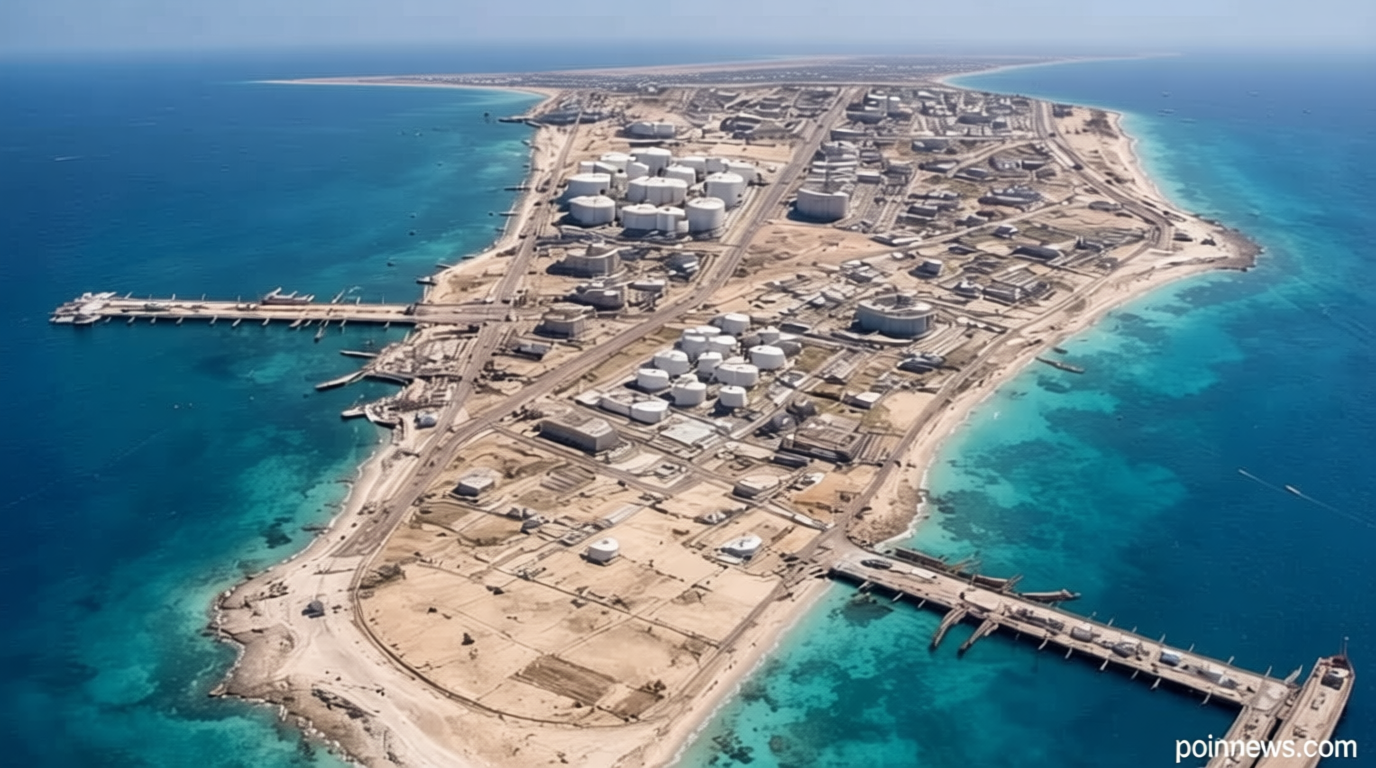
The war in Iran has created a new energy shock by disrupting shipping through the Strait of Hormuz, which carries about one-fifth of global oil and gas exports. For Europe, the resulting rise in energy prices has underlined the financial and strategic risks of relying on imported fossil fuels.
Heat pumps use electricity to draw energy from the air, water or ground. They can heat homes in winter and provide cooling in warmer periods, offering an alternative to gas boilers that burn fuel to produce heat. Their financial appeal is strongest when electricity costs less relative to gas.
“Europe is ending its addiction to a toxic, costly drug from dodgy suppliers – gas,” says Paul Kenny, director general of the European Heat Pump Association. “The sooner electricity becomes the most affordable solution, the quicker we’ll get clean.”
Households weigh more than the purchase price when choosing a new heating system. Installation costs, grants, expected energy bills and local tax rules all affect the decision. The recent sales increase shows how quickly demand can change when gas becomes more expensive or electricity becomes less heavily taxed.
Electricity taxes are a key barrier to cleaner heating
According to the EHPA, heat pumps are three to five times more energy efficient than boilers. But better efficiency does not automatically mean lower household bills. In many European countries, electricity has long carried a heavier tax burden than gas, weakening the economic incentive to replace fossil-fuel heating.
This pricing imbalance conflicts with climate targets and energy-security goals. When electricity is taxed more heavily than fossil fuels, consumers may be discouraged from choosing heat pumps, electric vehicles and other technologies intended to cut emissions and imports.
The European Commission has called on national governments to lower taxes on electricity. Its Electrification Action Plan, published in July 2026, aims to reduce the gap between electricity and fossil-fuel taxation and make electric technologies more practical for homes, businesses and transport.
The plan targets four million heat pump installations each year across Europe by 2030. It also foresees electricity representing almost half of EU energy consumption by 2040, compared with roughly one-quarter today. The Commission estimates that widespread electrification could reduce fossil-fuel import costs by about €200 billion by 2040.
Countries are combining tax changes with financial support
The Netherlands and Belgium have moved more of the tax burden from electricity to fossil fuels, bringing price signals closer to their electrification objectives. Denmark has introduced lower electricity taxes specifically for households that use heat pumps.
France, Germany and Italy have instead placed greater emphasis on grants and subsidies to reduce installation costs. Direct support can make a heat pump easier to buy, while electricity-tax reform can improve the running costs that households face over the lifetime of the system.
Both approaches matter. A subsidy can remove the upfront barrier, but affordable electricity helps make the switch worthwhile year after year. As gas markets remain volatile, Europe is ending its addiction to fossil heating through decisions that combine energy policy, household affordability and long-term security.
FAQ: Heat pumps and energy costs in Europe
Why are heat pump sales rising in Europe?
Higher gas prices have strengthened the case for replacing fossil-fuel boilers, while lower electricity taxes and public support can improve the affordability of heat pump installations and running costs.
Which European countries are included in the latest sales figures?
The EHPA data covers Austria, Belgium, Switzerland, Denmark, Finland, France, Germany, Italy, the Netherlands, Norway, Portugal and Sweden.
What should households consider before installing a heat pump?
Households should consider the upfront installation cost, available grants or subsidies, local electricity and gas prices, tax rules and the expected long-term cost of operating the system.