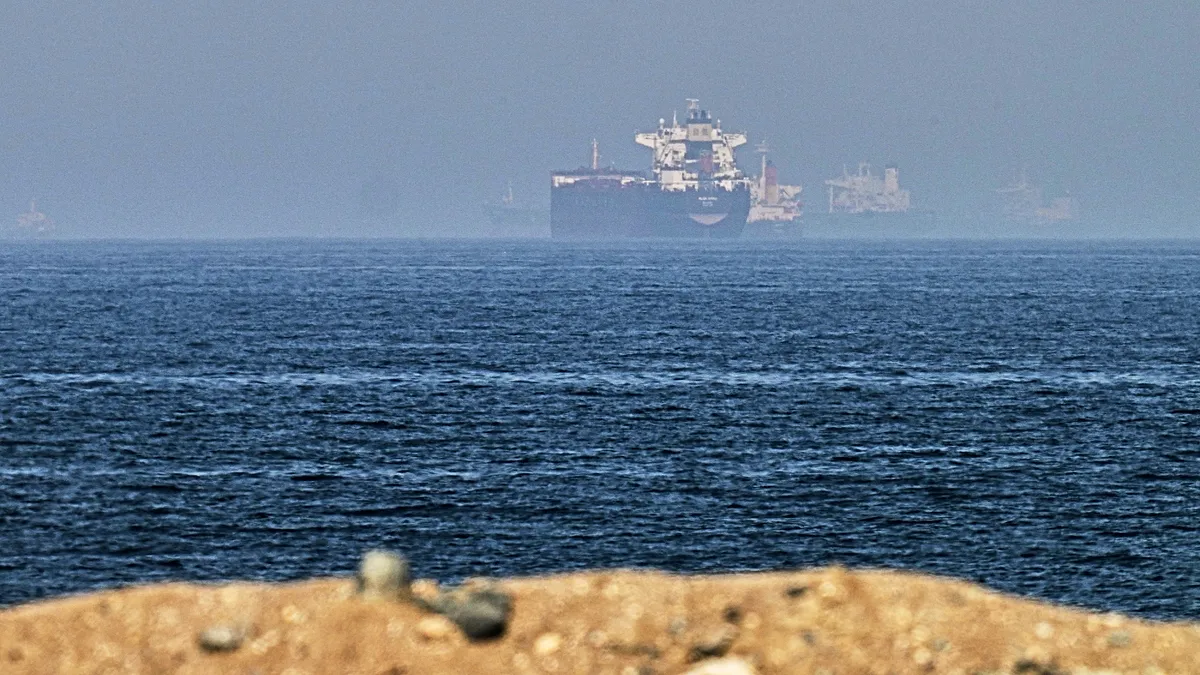
Houthis to copy Iran’s Hormuz playbook with Red Sea toll plan
The Houthi movement in Yemen is preparing to implement a comprehensive shipping toll system along the Red Sea, following a strategy recently pioneered by Iran


Houthis to Copy Iran’s Hormuz Playbook with Red Sea Toll Plan: New Maritime Strategy Unveiled
Poinews.com – The Houthi movement in Yemen is preparing to implement a comprehensive shipping toll system along the Red Sea, following a strategy recently pioneered by Iran in the Strait of Hormuz. According to a Yemeni government minister, the Houthi armed faction is collaborating closely with Tehran to establish a fee collection mechanism across the Bab el-Mandeb strait. This development represents a potential new challenge for global maritime trade, coming shortly after Iran’s aggressive actions regarding the critical waterway. The announcement was made on Wednesday by an official within Yemen’s internationally recognized administration, signaling a coordinated regional approach to maritime revenue generation.
The Bab el-Mandeb, which translates to “Gate of Tears” from Arabic, serves as a vital shipping channel through the Red Sea connecting the Arabian Peninsula to Africa. Its strategic importance has grown significantly following Tehran’s recent attacks and threats that disrupted energy exports through the Gulf via Hormuz. Crude oil deliveries to international markets increasingly rely on this narrow maritime passage, making any toll system potentially impactful for global commerce. The Houthi initiative aims to replicate what has become known as the Iranian model of monetizing strategic waterways.
Intelligence Confirms IRGC Technical Support for Toll System
Yemen’s Information Minister Moammar al-Eryani characterized the initiative as “a dangerous escalation aimed at transforming one of the world’s most strategic maritime corridors into a permanent source of funding for the militia’s military and terrorist activities.” He revealed that the assessment draws upon recently acquired “confirmed intelligence” showing Iranian Revolutionary Guard Corps participation in the planning and implementation phases. The minister emphasized that this represents more than just political alignment, but actual technical cooperation between the two entities.
“The intelligence indicates that IRGC experts and advisers are directly involved in designing the technical and administrative framework of the project,” Eryani stated, validating earlier international media reports about Houthi intentions. This confirmation adds credibility to previous speculation about the depth of Iranian involvement in the Red Sea strategy.
According to the minister, the proposed system would feature “the establishment of a dedicated entity responsible for collecting payments from shipping companies and commercial vessels.” This organizational structure mirrors approaches being considered elsewhere in the region, particularly in the Persian Gulf where Iran has already begun implementing similar mechanisms. The timing of the announcement suggests the Houthi leadership is positioning itself to capitalize on existing regional tensions.
Regional Tensions Mount Over Maritime Access and Energy Security
The question of Hormuz’s future continues creating friction between Washington and Tehran, with both sides maintaining firm positions on navigation rights and fee collection authority. Iran maintains its authority to impose fees on vessels navigating the waterway, which historically transported approximately one-fifth of global crude oil and liquefied natural gas supplies. Gulf states are increasingly concerned that the Houthis intend to replicate Iran’s Hormuz strategy by monetizing access to the Bab el-Mandeb at the Red Sea’s entrance.
Such a move could further destabilize worldwide energy markets, particularly given the current geopolitical landscape. During the Israel-Hamas conflict in Gaza, Houthi strikes against vessels connected to Israel caused cargo volumes to drop dramatically. Shipping companies were compelled to undertake extended routes around southern Africa, adding time and expense to global trade. These disruptions demonstrated the Houthi capability to influence international shipping patterns through targeted military actions.
The potential toll system would not only generate revenue but also provide the Houthis with additional leverage in regional negotiations. By controlling access to the Red Sea corridor, the movement could extract concessions from both regional powers and international shipping interests. This dual approach of military pressure combined with economic mechanisms represents a sophisticated strategy for maintaining relevance in Middle Eastern politics.
Houthi Expansion and Regional Alliances Strengthen Position
Officially designated as Ansar Allah, the Houthi movement recently declared a maritime blockade against Saudi Arabia, marking a significant escalation in their regional ambitions. Since that announcement, they have reported attacking Saudi tankers and petroleum infrastructure, demonstrating their willingness to challenge neighboring powers directly. The group seized control of Yemen in late 2014 by capturing Sana’a, the presidential palace, and crucial military installations, which forced the national government into exile. This territorial control has provided the foundation for their current maritime initiatives.
The Houthis are part of Tehran’s so-called “Axis of Resistance,” a network of militant organizations spanning multiple countries in the region, including Hezbollah in Lebanon, Hamas in Gaza, and various militias operating in Iraq. This alliance provides both political support and military assistance that strengthens their position in implementing the Red Sea toll plan.
Although the Houthis do not currently govern the Yemeni coastline adjacent to Bab el-Mandeb, they maintain control over territory situated less than 100 kilometers from the strait. This proximity enables them to threaten Saudi Arabia’s capacity to export millions of barrels of crude oil daily. Riyadh has responded with military strikes against Houthi positions, but the movement has proven resilient against aerial bombardment campaigns.
On Wednesday, American and Saudi forces conducted operations against members of an Iraqi paramilitary coalition that incorporates pro-Iranian factions. The Iraqi alliance reported that at least 20 individuals were killed during these coordinated attacks, highlighting the broader regional implications of the Houthi initiative. These operations demonstrate how the Red Sea toll plan connects to wider geopolitical struggles involving multiple nations and non-state actors.
The implementation of the toll system could serve as a test case for Iran’s broader strategy of establishing maritime revenue streams across multiple strategic waterways. If successful, the Houthi model might inspire similar initiatives in other regions where Iranian influence extends. The international community will be watching closely to see how shipping companies and governments respond to this new challenge to free navigation principles.