“In our country, abandonment is normalised”: animals are still left behind
For Ziro and Mike, life was defined by comfort and companionship. Each animal enjoyed a peaceful existence within a loving household, sustained by regular


Table of Contents
When Owners Pass, Pets Are Often Left Behind
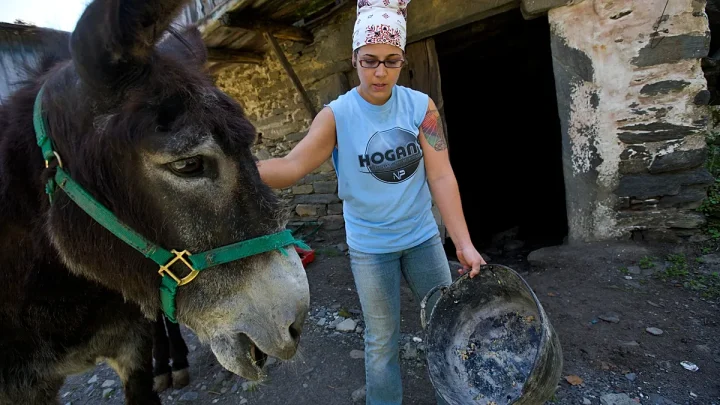
Poinews.com – For Ziro and Mike, life was defined by comfort and companionship. Each animal enjoyed a peaceful existence within a loving household, sustained by regular meals, clean water, and the steady presence of their human caretakers. Though they never crossed paths and traversed different neighborhoods, these two companions shared a final chapter at the same sanctuary. Both had lived independently with aging guardians, serving as each other’s sole confidant during those golden years.
When their owners passed away, neither left written instructions regarding their beloved pets. Most likely, the families simply did not know such documentation existed. Consequently, a family member made the decision to release them onto the streets. Ziro navigated the roads of Setúbal, suffering severe trauma after being struck by vehicles and assaulted, leaving him with significant facial wounds. Mike, meanwhile, battled a chronic cardiac condition that shaped every day of his existence. Despite dedicated efforts from neighbors and friends of his late owner, medical support proved insufficient. He remained at the sanctuary until his passing. Ziro continues to reside there, hopeful for a forever home.
A Legal Gap in Animal Protection
Leaving an animal behind constitutes a criminal offense in Portugal, legislation enacted in 2014 that carries potential penalties including imprisonment for up to six months or fines equivalent to sixty days. Yet enforcement remains inconsistent. Sandra Duarte Cardoso, a veterinarian and leader of SOS Animal, has dedicated herself to advocating for animal welfare through numerous legal and social campaigns.
“The microchip [for companion animals] is registered in the name of the person who has died, so the administrative offence is issued in the name of the deceased,” she explains. “To date, of all the complaints we have filed – because whoever inherits the estate should also inherit the animals – none has ever resulted in a conviction, so no one has suffered any consequences for dumping their mother’s or father’s dog or cat on the street.”
This Saturday, August 15, marks International Abandoned Animals Day, highlighting a persistent challenge in Portugal that intensifies during warmer months. “Nobody thinks about moving country, or house, and leaving their children behind or dropping them off at an organisation, but with animals they do,” observes Sandra Duarte Cardoso, who confronts this issue daily.
Compulsory Identification, Inconsistent Compliance
Portugal mandated microchipping for dogs beginning in 2008 and extended the requirement to cats in 2022, implementing these measures to reduce pet abandonment. Nevertheless, compliance remains uneven, and the policy alone has not demonstrably decreased the volume of discarded animals. The organization’s president categorizes two distinct scenarios: voluntary surrenders, where owners proactively seek placement for pets they can no longer maintain, versus abandonment, characterized by owners casually releasing animals from vehicles or depositing them in bags at facility entrances.
The National Republican Guard issued a statement in late July reporting that between 2014 and mid-2026, authorities documented over 2,400 abandonment-related offenses, resulting in twenty-eight arrests nationwide. The police force noted that July and August generate the peak number of incidents, with 142 cases accounting for 38.1 percent of yearly totals, largely connected to travelers departing for vacations.
From Fence-Throwing to Normalized Neglect
SOS Animal, a non-governmental environmental entity founded in 2007, operates with a dual mission: safeguarding animals and preserving their natural environments. Beyond maintaining a veterinary clinic, the organization manages a sanctuary whose location remains undisclosed. During earlier years, animals arrived at the facility almost daily. “At the beginning, people would throw animals over the fence. I remember a case of a four-week-old puppy that was thrown in with other dogs running loose here, a goat that broke its legs, and cats were ‘our daily bread’,” she recalls with visible distress.
Sandra Duarte Cardoso identifies a fundamental deficit in civic awareness regarding human-animal relationships, expressing bewilderment that individuals capable of bringing new life into the world can so readily discard it. “In our country, abandonment has been normalised,” she states, noting the constant flow of messages from residents warning the organization that they will relinquish their pets if SOS Animal refuses to accept them. “They are so completely comfortable with this option that it becomes a form of blackmail.”
“When no one in their right mind says: ‘If you don’t help me with my child, who has a problem, I’m go
Related Reading
Frequently Asked Questions
What is In our country abandonment is normalised?
In our country abandonment is normalised is the main topic of this guide. The article explains the context, practical details, and next steps readers should understand.
Why does In our country abandonment is normalised matter?
In our country abandonment is normalised matters because readers are looking for a useful answer, not just a short summary. Good content should match search intent and help them decide what to do next.