IRGC warns ships off Oman’s corridor in Hormuz as Rubio draws line on tolls
IRGC warns ships off Oman s corridor -

IRGC Warns Ships of Unauthorized Routes in Hormuz Strait Amid U.S. Tensions
Iranian Military Asserts Control Over Strategic Waterway
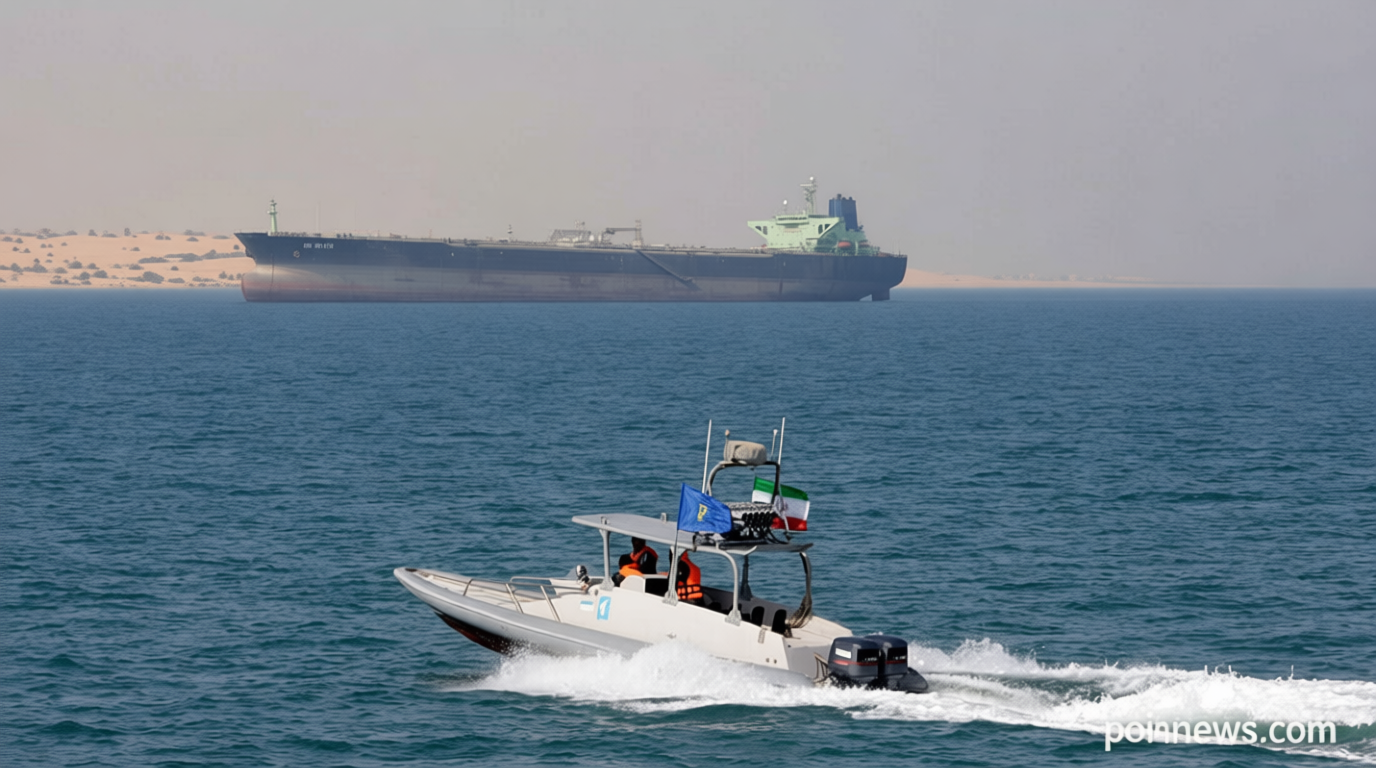
Poinews.com – On Thursday, Iran’s Islamic Revolutionary Guard Corps (IRGC) issued a stern warning to all vessels passing through the Strait of Hormuz, declaring that only the routes set by Tehran are acceptable. The IRGC emphasized that navigation outside these designated paths is both hazardous and unlawful, directly opposing Oman’s recent proposal for a temporary corridor near its coastline.
“All parties are hereby informed that the sole permitted paths through the Strait of Hormuz are those officially declared by the Islamic Republic of Iran,” the IRGC stated. “Vessels venturing beyond Iran’s specified lanes face significant risks and are considered unauthorized.”
The IRGC criticized a route announced earlier, which it claimed was “unacceptable and perilous” due to its lack of coordination with Iran. The statement also warned that any ships disregarding these directives would face consequences, though it did not elaborate on the nature of those actions.
U.S. Diplomatic Response to Iran’s Claims
At a GCC ministerial meeting in Bahrain, U.S. Secretary of State Marco Rubio firmly stated that Washington would not accept any form of fees or tolls for using the strait. He accused Iran’s hardliners of making exaggerated statements through their media outlets, calling their claims “not entirely truthful.”
“You can call it a toll, you can call it a fee, at the end of the day it’s all semantics,” Rubio remarked. “No country owns the Strait of Hormuz, so no nation should have the right to impose charges on its passage.”
Rubio also asserted that the current framework deal does not compromise the security or prosperity of Gulf partners. Meanwhile, Oman’s Foreign Minister Sayyid Badr Al Busaidi reiterated Muscat’s commitment to international law, stating that future arrangements for the strait would exclude transit fees.
Shipping Activity and Market Reactions
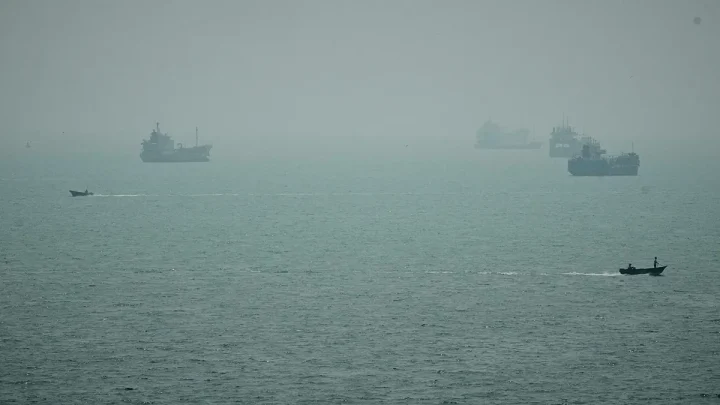
Despite the political standoffs, shipping data from the International Maritime Organisation revealed a steady return to normal operations. On Tuesday, 13 vessels crossed the strait, increasing to 32 on Wednesday and 12 by Thursday morning, as part of a UN-led evacuation effort to free stranded ships and crews.
Marine analysts reported a notable rise in activity, with 125 vessels transiting the strait last week—a jump from 33 the prior week. Kpler, a maritime data firm, noted 70 crossings on Wednesday, the highest since 1 March. However, this figure remains below the pre-war average of 130 or more daily crossings.
Richard Meade, editor-in-chief of Lloyd’s List, explained that the recent increase in traffic was driven by “opportunistic operators” taking advantage of reduced risks. Oil markets have seen a decline, with Brent crude reaching its lowest level since 27 February, a day before the conflict began.
Iranian Hardliners and Negotiation Stakes
Iran’s National Security Commission secretary, Behnam Saeedi, reiterated that the strait’s control lies “fully and firmly” with Iran’s military. He urged the U.S. to demonstrate compliance with the agreement, including asset releases and maritime freedoms, beyond mere rhetoric.
Hardline factions in Iran have been pushing for continued leverage, citing a message attributed to Ayatollah Mojtaba Khamenei that expressed reservations about the deal but ultimately endorsed it. This message has been used to justify Iran’s stance against relinquishing control over the vital waterway.
President Trump had previously claimed that Iran had assured Washington it would not impose fees, and threatened to suspend talks immediately if that proved untrue. The competing claims have not yet disrupted the gradual normalization of shipping activity in the region.