Trump warns of communist threat as Washington parade cancelled due to heatwave
Trump Warns of Communist Threat Amid Washington Heatwave Trump warns of communist threat as Washington - As Washington, D.C., braced for a record-breaking

Trump Warns of Communist Threat Amid Washington Heatwave
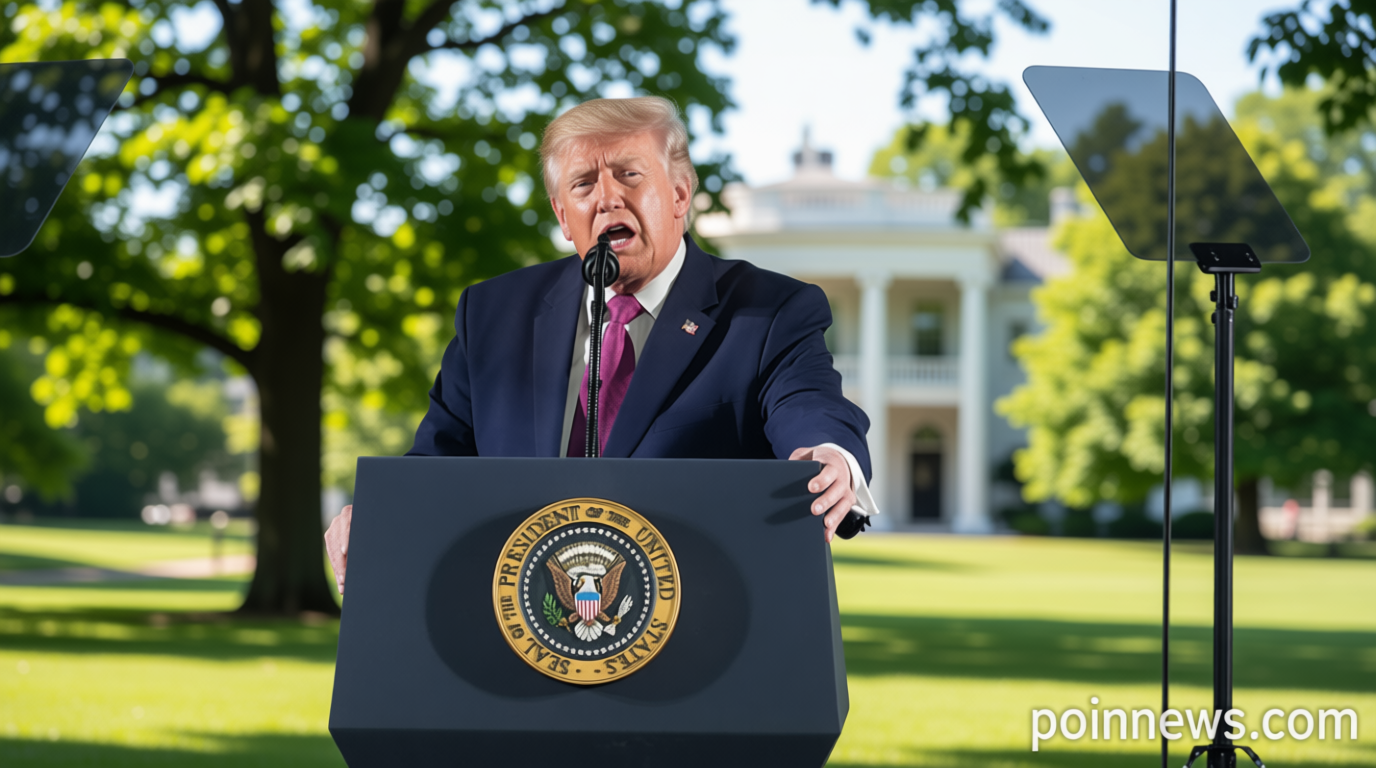
Poinews.com – As Washington, D.C., braced for a record-breaking heatwave, President Donald Trump seized the opportunity to issue a stark warning about the global spread of communism. With temperatures soaring to 46°C on Saturday, the city’s traditional Independence Day parade was forced to cancel, marking a significant disruption to the nation’s patriotic celebrations. The event, which had been a cornerstone of American heritage for centuries, now faces the challenge of balancing historical symbolism with the realities of extreme weather. This decision highlights the unpredictable impact of climate change on cultural milestones, even as Trump’s rhetoric on national security intensifies.
The Heatwave’s Far-Reaching Impact
The sweltering conditions have not only affected Washington but have rippled across the country, influencing everything from public health to infrastructure. In the nation’s capital, the heatwave has led to widespread power outages, forcing schools and businesses to implement emergency cooling measures. Meanwhile, in states like Arizona and Nevada, the heat has triggered a surge in hospital admissions, particularly among the elderly and those with preexisting conditions. The cancellation of the Washington parade is just one example of how the climate crisis is reshaping American traditions, with event planners scrambling to adapt to rising temperatures and unpredictable weather patterns.
While the heatwave dominates the headlines, its effects are compounded by a broader political climate. Trump, known for his penchant for dramatic declarations, used the cancellation of the parade as a platform to reiterate his long-standing concerns about communism. “The communist threat is not just a distant possibility—it’s an imminent danger to our way of life,” he stated in a recent address, drawing parallels between the current environmental crisis and the ideological threats of the past. His comments align with a pattern of framing global challenges as existential threats to American values, a narrative that has resonated with his base but sparked debate among analysts and historians.
Trump’s National Security Rhetoric
Earlier this week, Trump delivered a speech at Mount Rushmore, where he outlined his vision for national security in a rapidly changing world. The event, which was initially planned to coincide with the parade, became a focal point for his warning about the resurgence of communist influence. “We must remain vigilant against the spread of communism, which has infiltrated our allies and threatens to undermine our sovereignty,” he asserted. This statement reflects a recurring theme in his presidency, where he has positioned himself as the defender of American ideals against foreign and domestic adversaries.
Trump’s emphasis on communism as a critical threat comes at a time when the U.S. is navigating complex international relationships. While his administration has focused on strengthening alliances with countries like South Korea and the Philippines, critics argue that his rhetoric could be seen as an attempt to rally support for policies that prioritize military spending and geopolitical dominance. The timing of his warning—coinciding with the heatwave that disrupted the parade—has drawn comparisons to his historical tendency to use crises to amplify his messages and solidify his political narrative.
“Communism is a mortal threat to American liberty,” Trump declared during his speech. “It is the greatest threat to our country. We must not allow it to take over our institutions or erode our freedoms.” This statement, though bold, underscores his belief that the ideological battle between capitalism and communism remains central to national identity, even in the face of climate-related disruptions.
Amid the heatwave and its logistical challenges, Trump’s warnings on communism have sparked discussions about the intersection of environmental and geopolitical issues. Some experts argue that the rising temperatures and natural disasters could serve as a catalyst for a new Cold War dynamic, with nations competing to showcase resilience in the face of climate threats. Others see his remarks as a way to shift public focus from immediate concerns to broader ideological narratives, ensuring that the fight against communism remains a salient issue in American politics.
As the heatwave continues, the contrast between the physical and ideological challenges facing the nation becomes stark. While the parade cancellation is a temporary setback, Trump’s insistence on the communist threat signals a long-term strategic agenda. His ability to intertwine national crises with political messaging has become a hallmark of his leadership style, and this latest warning is no exception. With the nation’s attention divided between sweltering weather and mounting global tensions, the question remains: how will these dual challenges shape the future of American priorities and public discourse?