Spanish scientists find 15.9-million-year-old bear-dog species in Catalonia
Spanish Researchers Uncover 15.9-Million-Year-Old Bear-Dog Species in Catalonia Spanish scientists find 15 9 million - Scientists from Spain have made a

Spanish Researchers Uncover 15.9-Million-Year-Old Bear-Dog Species in Catalonia
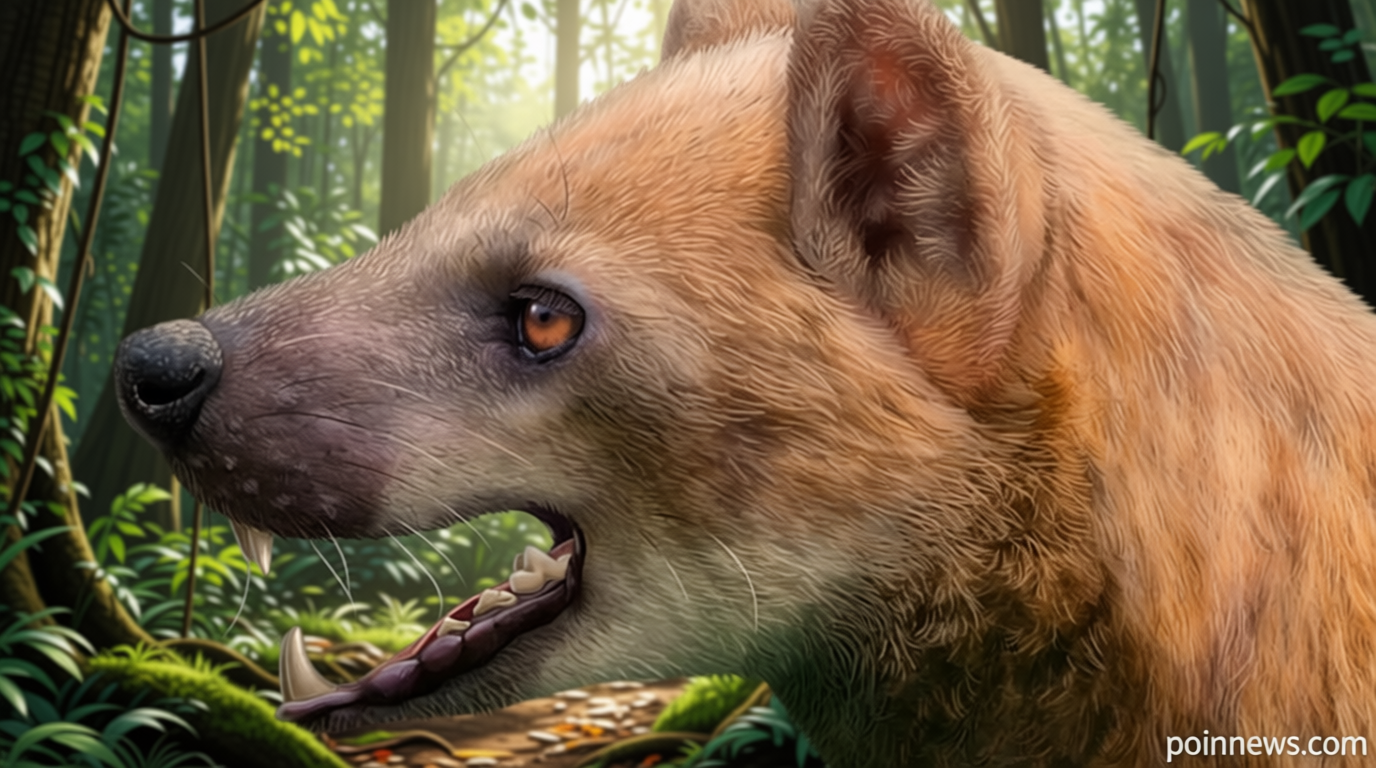
Poinews.com – Scientists from Spain have made a significant discovery in the region of Catalonia, identifying a previously unknown species of bear-dog that lived 15.9 million years ago. The find, made at the Els Casots site in Subirats (Alt Penedès), has positioned the location as a pivotal site for studying Miocene-era fauna across Europe.
From Storage to Revelation
The fossilized skull was first uncovered in the 1990s during an excavation campaign at Els Casots. Initially, it was believed to belong to an existing Paludocyon species, as partial remains of the genus had been documented in the area and elsewhere. However, the specimen was stored without further examination for years. It wasn’t until 2014, while a doctoral student analyzed the fossil, that discrepancies emerged. The skull appeared smaller and less robust than the species it was compared to, which was closer in size to a lion or tiger and weighed up to 200 kilograms.
A New Addition to the Fossil Record
After two years of meticulous study, the team at the Institut Català de Paleontologia Miquel Crusafont confirmed their suspicions: the skull belonged to a distinct species. This newly recognized species, named
Paludocyon moyasolai
in honor of paleontologist Salvador Moyà-Solà, has elevated Els Casots to a global reference point for this particular group of extinct carnivores.
The research collaboration involved multiple institutions, including the National Museum of Natural Sciences (CSIC), the University of Valencia, the Autonomous University of Barcelona, Complutense University of Madrid, Ecuador’s National Institute of Biodiversity, and the Iziko museum in South Africa. The analysis of the fossils, which included the skull, most of the dentition, and a single lower molar, revealed unique features. Notably, the posterior molars showed an unusual development, with the second upper molar being exceptionally broad and the third larger than typical for the genus.
Environmental Clues and Dietary Insights
The environment in which this species thrived was vastly different from today’s. Around 15.9 million years ago, the area was a shallow lagoon bordered by dense tropical forests, home to crocodiles, snakes, and a rich array of mammals. This aquatic setting, the excavation leaders explain, played a crucial role in preserving the fossils. Once the animals died, their remains were quickly buried in mud, shielding them from decay.
Based on the dental structure, researchers believe the species had a varied diet, adapting to hunt small to medium prey such as primitive deer, bovids, and early pigs. This dietary versatility aligns with its classification as a mesocarnivore, a predator capable of surviving in less competitive environments. A second amphicyonid species, larger than the newly identified one and comparable in size to a leopard, was also found at the site, though it remains unnamed.
Broader Implications for Miocene Ecosystems
The discovery contributes to a growing understanding of how large carnivores coexisted during the Miocene period on the Iberian Peninsula. Earlier studies, such as those conducted at Los Valles de Fuentidueña in Segovia and Cerro de los Batallones in Madrid, had already highlighted the presence of diverse predators, including bear-dogs, felids, hyenas, and bears. These findings, published in the journal
Palaeontology
, revealed intense competition among species, except for the amphicyonid and a primitive hyena, which targeted prey in more open habitats.
Stable isotope analysis of over 200 tooth enamel samples has become a key tool in reconstructing ancient diets with minimal damage to fossils. By extracting just a few milligrams of enamel using a dentist’s drill and analyzing it with mass spectrometry, scientists can determine what each animal consumed. This method, applied across various Miocene sites, is helping to map how species adapted to environmental shifts, such as the transition from lush forests to drier, open landscapes. Paludocyon moyasolai now serves as a vital piece of this puzzle, offering new perspectives on the evolutionary dynamics of the era.