Spain hits 42C: nine regions on alert for extreme heat
Spain Reaches 42°C as Nine Regions Face Extreme Heat Warnings Spain hits 42C, marking a critical moment in the country’s ongoing battle against an intense

Spain Reaches 42°C as Nine Regions Face Extreme Heat Warnings
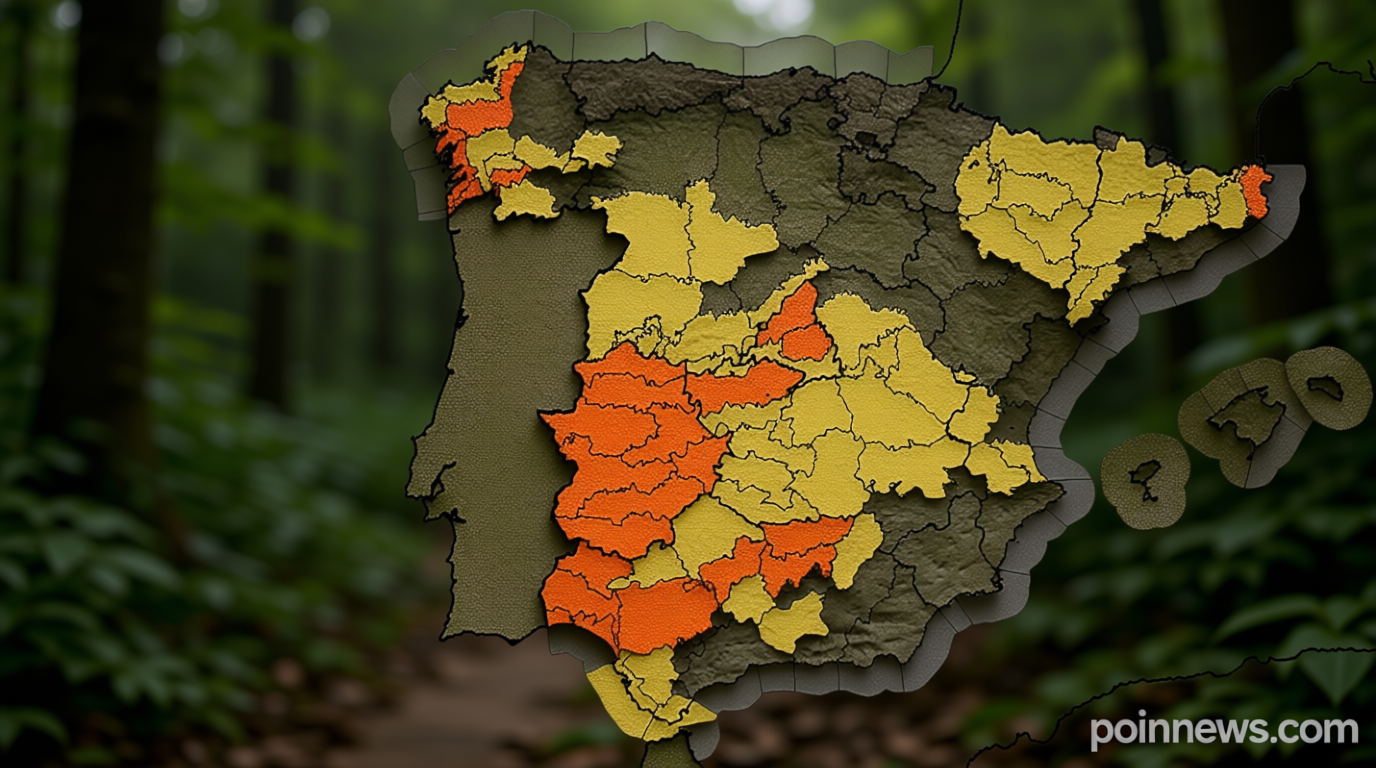
Poinews.com – Spain hits 42C, marking a critical moment in the country’s ongoing battle against an intense heatwave that has gripped multiple regions. The National Meteorological Institute, known as AEMET, has issued orange alerts for significant danger across Andalusia, Extremadura, Castilla-La Mancha, Catalonia, Galicia, and Madrid, with Aragón, Castile and León, and the Valencian Community under yellow warnings. This extreme weather event has triggered widespread concern, as temperatures are expected to remain dangerously high for several days, posing risks to both human health and infrastructure.
Heatwave Intensity and Regional Impacts
Extremadura has been entirely placed under the orange alert, with temperatures consistently near 40°C throughout the region. The Tagus valley in Castilla-La Mancha is anticipated to experience similar conditions, as peak temperatures approach this threshold. In Andalusia, the Guadalquivir valley in Jaén, the Sierra Morena and Condado district, the lowlands of Córdoba and Seville, and the coastal areas of Huelva are most vulnerable, with some spots likely to exceed 42°C during midday hours. This heatwave is not only pushing temperatures to historic levels but also intensifying the risk of wildfires and water shortages in these regions.
Unusual Heat Patterns in Galicia
Galicia, typically known for its milder climate, has joined the orange alert list, showcasing how extreme weather can disrupt even the most temperate areas of Spain. Inland regions like Ourense may reach 39°C, while the Rías Baixas area in Pontevedra and parts of A Coruña are projected to register around 37°C. This deviation from the usual pattern highlights a rare occurrence in a region where heatwaves are uncommon, raising questions about climate change’s influence on weather anomalies. The National Weather Service has noted that these temperature spikes are linked to a high-pressure system that has persisted for days, creating a heat trap over the Iberian Peninsula.
The heatwave’s effects are particularly pronounced in Madrid, where the Sierra region faces the highest risk, with temperatures possibly reaching 37°C. The metropolitan area and the Henares basin are also under orange warnings, anticipating peak temperatures of 39°C. AEMET has activated a special alert for the current heatwave, which has steadily intensified since early in the week. Officials warn that the extreme heat is expected to continue at least until the following Tuesday, with prolonged exposure potentially leading to heat-related illnesses and disruptions in daily life.
Experts emphasize that this heatwave is part of a growing trend of extreme weather events in Spain. Since 1975, the country has recorded twelve heatwaves, with half occurring in the last decade alone. The first heatwave of this summer, which dominated much of June, resulted in hundreds of fatalities, according to the Health Ministry’s monitoring system. These statistics underscore the severity of the current situation and the need for proactive measures to mitigate health risks. With Spain hits 42C, the country is now facing its most challenging weather conditions of the year, prompting calls for increased public awareness and preparedness.
Health authorities are urging caution, advising people to avoid physical activity and sun exposure during peak hours, stay hydrated, and monitor vulnerable groups such as the elderly, children, and those with chronic illnesses. The recommendations include staying indoors, using air conditioning, and checking on neighbors who may be at greater risk of heat exhaustion or dehydration. Local governments have also begun implementing emergency protocols, such as opening cooling centers and distributing water to at-risk populations, to combat the effects of the extreme heat.
As the heatwave persists, its impact on Spain’s economy and environment becomes increasingly evident. Agriculture, particularly in regions like Andalusia and Extremadura, is facing unprecedented challenges, with crops at risk of wilting and livestock suffering from heat stress. Water reserves in reservoirs are dwindling, raising concerns about the potential for drought conditions. Additionally, energy demand has surged, straining power grids and prompting warnings about the risk of blackouts. The National Weather Service has also highlighted the importance of infrastructure resilience, as prolonged high temperatures can cause roads to soften and rail lines to buckle.
The situation in Spain hits 42C has sparked international attention, with climate scientists pointing to global warming as a contributing factor. The current heatwave is being compared to historical records, with some experts noting that such extreme temperatures were once rare but are now becoming more frequent. This shift in climate patterns is expected to continue, with projections indicating that Spain will face more frequent and severe heat events in the coming decades. As the country braces for the heatwave’s peak, communities are being urged to adapt, with local initiatives focusing on urban planning and green spaces to reduce the urban heat island effect.