Trump reimposes US blockade and demands 20% Hormuz shipping fee
Trump Reimposes U.S. Blockade and Demands 20% Hormuz Shipping Fee Trump reimposes US blockade and demands 20 - On July 13, 2026, U.S.

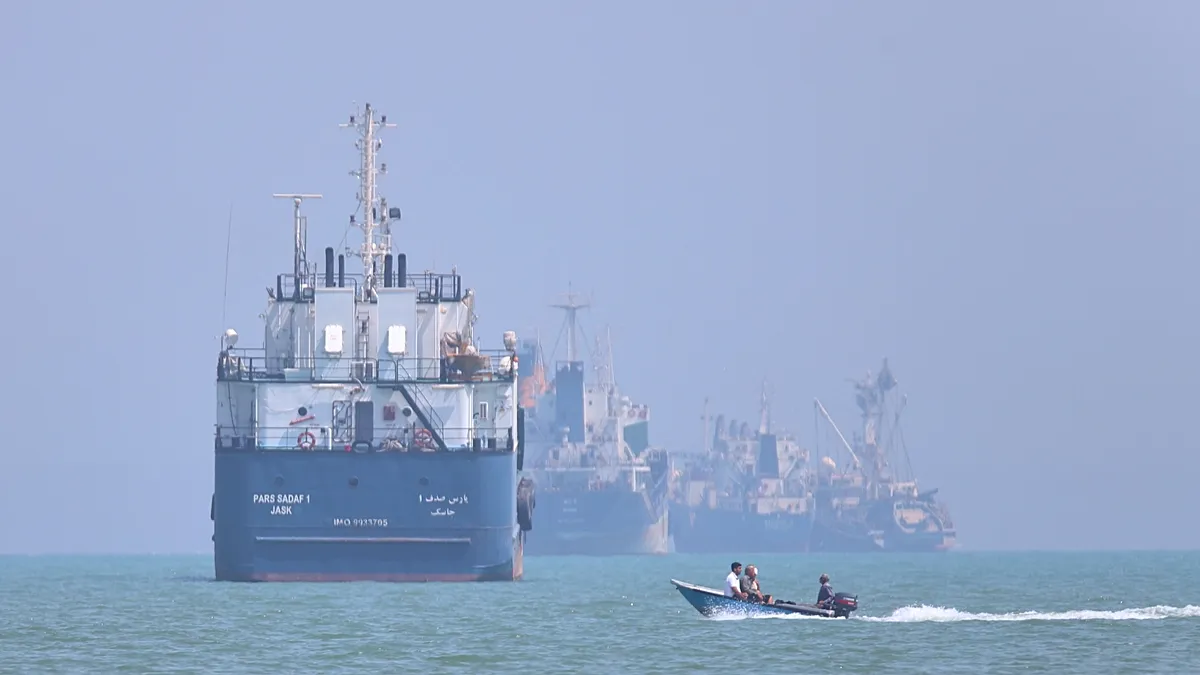
Trump Reimposes U.S. Blockade and Demands 20% Hormuz Shipping Fee
Poinews.com – On July 13, 2026, U.S. President Donald Trump announced the reimposition of a naval blockade on Iranian ports, intensifying the geopolitical tension surrounding the strategic Strait of Hormuz. This decision marked a significant shift in Washington’s approach to regional security, as the administration pledged to enforce a 20% toll on all vessels navigating the waterway. The move was framed as a necessary measure to safeguard international trade routes and counter perceived threats from Iran, which has long been a focal point of global energy security. By targeting the strait—a critical artery for oil shipments—Trump’s administration signaled its resolve to assert dominance in the region, even as it reversed earlier agreements that had allowed for more cooperative passage.
Geopolitical Implications of the Blockade
The Strait of Hormuz, a narrow waterway connecting the Persian Gulf to the Arabian Sea, has been a flashpoint for conflict since the 1979 Iranian Revolution. Its strategic importance lies in its role as a gateway for approximately 20% of the world’s oil supply. Trump’s blockade aims to disrupt Iran’s ability to move goods freely, while simultaneously pressuring its allies in the Gulf Cooperation Council (GCC) nations. Iranian military officials swiftly condemned the policy, declaring that the U.S. would not be allowed to “interfere” with the strait’s operations. This rhetoric underscores the deepening rivalry between the two nations, with both sides escalating military actions in the region.
Historical Context and the Ceasefire Breakdown
The blockade’s reintroduction follows a series of tensions that had culminated in a ceasefire agreement brokered in April 2026. Under that deal, Iran agreed to limit its naval activities in the strait in exchange for reduced U.S. sanctions. However, the U.S. accused Iran of breaching the terms, particularly after attacks on merchant vessels in the Gulf. Trump’s statement emphasized the need for “a lasting resolution,” reiterating the demand for a 20% shipping fee as a means of holding Iran accountable for its actions. The fee, he argued, would cover the costs of maintaining security in the volatile region, including drone operations and naval patrols.
“We’ve had 10 deals with these people – and so we’re just going to hit them very hard,” Trump declared in a televised address, pointing to the previous agreements as evidence of Iran’s unreliability. The president’s remarks were met with mixed reactions, as some allies viewed the policy as a calculated move to strengthen U.S. influence, while others warned of potential economic fallout for the region.”
Economic Impact and Regional Reactions
The reimposition of the blockade and the 20% toll has raised concerns about its effect on global oil markets. With the strait already experiencing increased activity due to heightened tensions, the fee could further strain shipping costs and delay fuel deliveries to key markets. European leaders, including Germany, France, and Britain, expressed apprehension over the move, fearing it might destabilize the already fragile balance of power in the region. Meanwhile, Gulf states like Saudi Arabia and the United Arab Emirates have called for a more balanced approach, urging the U.S. to avoid actions that could provoke Iran into further retaliation.
Iran’s response has been equally forceful. The Khatam Al-Anbiya command, a key military unit, reiterated its commitment to defending the strait from U.S. interference. Deputy commander Mohammed Mokhber emphasized that Iran would “under no circumstances allow… the United States to impose costs on our shipping” without reciprocal concessions. This defiance comes amid reports of Iranian Revolutionary Guards engaging in aggressive maneuvers near the waterway, including the interception of two ships attempting to transit without permission. Such actions highlight the precarious nature of the conflict and the potential for a full-scale confrontation.
Global Trade and Energy Security Concerns
As the world’s largest oil transit route, the Strait of Hormuz’s disruption could have far-reaching consequences for energy markets. Analysts warn that the 20% toll may deter commercial vessels from using the strait, leading to alternative routes that are longer and more expensive. This could result in supply chain delays and increased prices for consumers, particularly in Asia and Europe. The U.S. has framed the fee as a necessary investment in security, but critics argue that it risks creating a new economic burden on the region’s trade-dependent economies. The policy also raises questions about the long-term viability of the strait as a neutral passage, with some experts predicting a shift toward U.S.-dominated control.