Israel to hold elections on 27 October in what is seen as referendum on Netanyahu leadership
Israel to Hold Elections on 27 October: Referendum on Netanyahu Leadership Israel to hold elections on 27 October - Israel is set to hold national elections

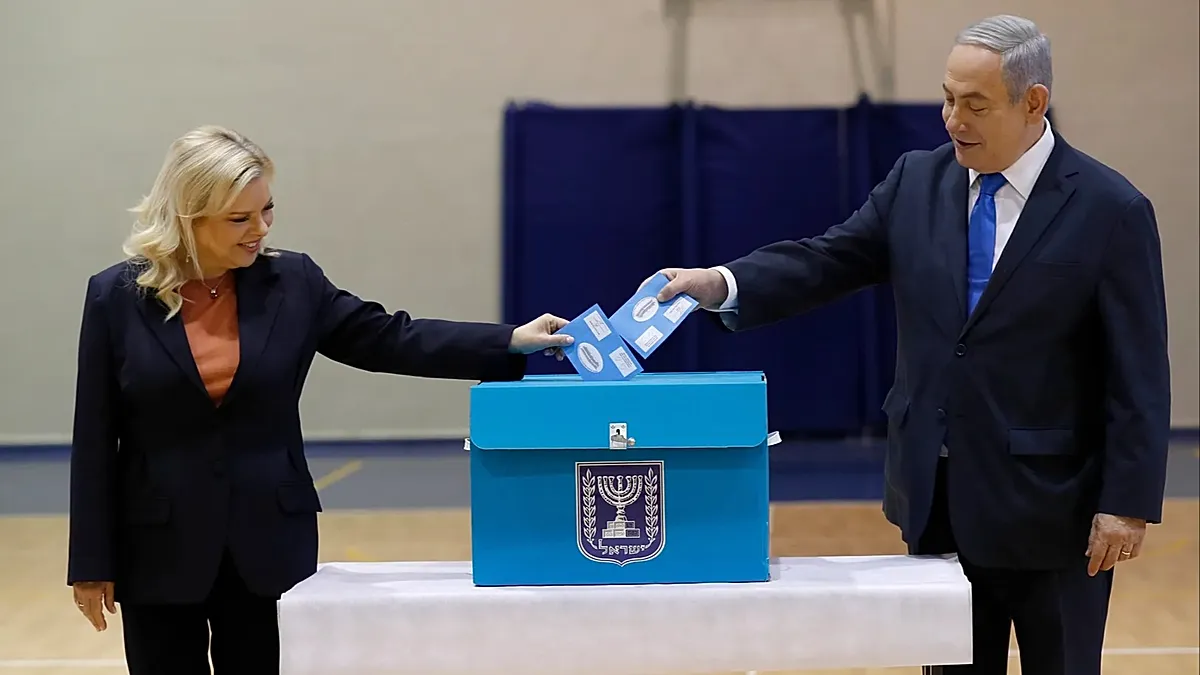
Table of Contents
Israel to Hold Elections on 27 October: Referendum on Netanyahu Leadership
Poinews.com – Israel is set to hold national elections on 27 October, a date that has been strategically chosen as a referendum on the leadership of Prime Minister Benjamin Netanyahu. The decision, announced by the Knesset, aligns with the country’s electoral calendar and marks the culmination of a four-year legislative period. With the current government facing mounting pressure from public discontent, the upcoming vote is anticipated to determine the future direction of Israeli politics and leadership.
Context of the Upcoming Elections
The Knesset, Israel’s parliamentary body, will conclude its term on 17 July, a rare occurrence in modern Israeli history as the last ruling coalition to complete a full four-year mandate. This timeline ensures the elections on 27 October are legally mandated, eliminating the need for early dissolution of the legislature. The fixed schedule reflects a shift toward stability in the political process, but it also heightens the significance of the vote as a direct test of Netanyahu’s leadership.
Netanyahu’s government, a coalition of right-wing parties, has been navigating a complex political landscape marked by both domestic and international challenges. The electoral strategy has been shaped by the desire to maintain a strong legislative base, with recent legislative efforts aimed at consolidating support for his alliance. However, the timing of the elections, coinciding with the Gaza conflict and other regional tensions, adds a layer of urgency to the political contest.
Legislative Timeline and Electoral Strategy
The decision to set 27 October as the election date underscores the Knesset’s commitment to adhering to the constitutional framework. This structure allows the government to operate without the need for early parliamentary elections, which are typically called to secure a majority. Netanyahu’s coalition has positioned itself as a stable force, leveraging the fixed schedule to avoid the perception of desperation. Yet, the date also serves as a backdrop for broader political debates, with the outcome seen as a barometer of public confidence in his leadership.
Benjamin Netanyahu, 76, is already the longest-serving prime minister in Israel’s history, having held office in multiple terms. His decision to seek re-election has been framed as a bid to maintain his influence in the political arena. The election on 27 October is expected to solidify his position or challenge it, depending on voter sentiment. Analysts suggest that the campaign will focus on both domestic issues and the country’s foreign policy, with the Gaza conflict and regional alliances playing a central role.
Challenges Facing Netanyahu’s Leadership
Despite his long tenure, Netanyahu’s leadership faces significant scrutiny. Public opinion polls indicate growing dissatisfaction among Israelis, particularly regarding the outcomes of recent military actions and political decisions. The 7 October 2023 attacks by Hamas on southern Israel, which led to the Gaza conflict, have been a focal point of criticism. Critics argue that the government’s handling of the crisis has been inconsistent, and the ceasefire agreement reached in late February has been viewed as a compromise that may not have fully aligned with national interests.
The election on 27 October is seen as a critical moment for Netanyahu’s political future. With the current Knesset term ending and no early dissolution planned, the vote will determine whether he can secure a renewed mandate. The prime minister’s emphasis on forming a “broad national government” reflects an attempt to appeal to a wider electorate, but it also highlights the need to address concerns about his administration’s policies. The election is not just a political event but a reflection of the nation’s collective mood toward leadership and direction.
Additionally, the political landscape is shifting as new parties and alliances emerge. The focus on the election on 27 October has prompted debates about the role of Arab parties in the coalition and the potential for a more unified approach. Netanyahu’s campaign strategy will likely revolve around themes of security, economic growth, and national identity, while opponents will highlight his leadership’s perceived shortcomings. The result of this election will shape Israel’s trajectory for years to come, making the 27 October date a pivotal moment in the country’s political history.