US strikes around Tehran for first time in most recent wave of attacks, says Iranian state media
US Strikes Around Tehran for First Time in Recent Escalation US strikes around Tehran for first - For the first time since the latest surge in military

US Strikes Around Tehran for First Time in Recent Escalation
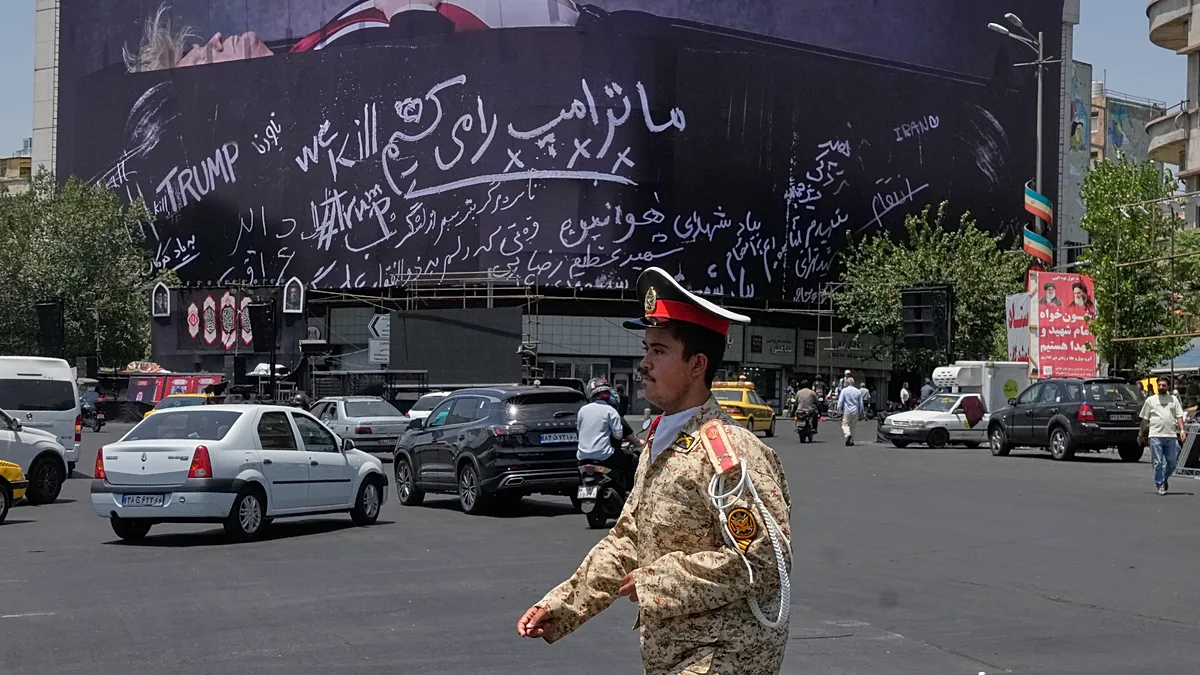
Poinews.com – For the first time since the latest surge in military tensions, the United States has launched strikes targeting areas surrounding Tehran, according to Iranian state media. The attacks, which occurred in the early hours of Thursday, were concentrated on key infrastructure and military sites in the capital’s vicinity, signaling a strategic shift in the ongoing conflict. This development has raised concerns about the potential for further escalation, as it marks a departure from previous operations that had focused on locations farther from the Iranian heartland.
Targeting Tehran’s Strategic Assets
Iranian state outlets reported that the US strikes targeted locations in Tehran, including military bases, defense facilities, and communication hubs. This is the first instance in the recent wave of attacks where the capital itself was hit, with particular emphasis on areas critical to Iran’s command structure and missile capabilities. The strikes are believed to have disrupted operations in the region, dealing a blow to Tehran’s ability to coordinate defenses and respond to Western pressures.
“US Central Command confirmed that the strikes focused on ‘Iranian command centers, air defense sites, missile and drone capabilities, and coastal surveillance facilities’ in and around Tehran, including Bandar Abbas, a major port city on the Strait of Hormuz.”
The attacks come amid a series of confrontations that have intensified since February, when the US and Israel launched a coordinated assault on Iran’s nuclear facilities. This latest strike underscores the US’s determination to weaken Iran’s strategic posture, particularly in the context of the ongoing dispute over Iran’s nuclear program and regional influence. Analysts suggest that the targeting of Tehran itself may be a psychological tactic to demonstrate the US’s reach and capability.
Human Impact and Regional Retaliation
Iran’s health ministry confirmed that the strikes resulted in at least 35 deaths and over 300 injuries, highlighting the growing human cost of the conflict. In response, Iran launched a wave of counterattacks, targeting US military installations in Jordan and Bahrain, as well as oil facilities in Kuwait. These retaliatory measures have heightened fears of a broader regional war, with both sides escalating their efforts to cripple each other’s logistical and military networks.
“The US also claimed it fired a missile into a Curacao-flagged oil tanker’s funnel after the ship ‘ignored multiple warnings’ and approached Kharg Island, Iran’s main oil export terminal in the Persian Gulf.”
The strikes have reignited fears of a full-scale conflict in the Gulf, with the potential to disrupt global oil supplies and trigger economic repercussions. Iran’s retaliation has further complicated the situation, as the country seeks to assert its dominance in the region and retaliate for perceived aggression. The attacks also underscore the increasing militarization of the region, as both sides continue to test each other’s resolve.
Strategic Context and Global Implications
The US’s decision to strike around Tehran aligns with broader efforts to curb Iran’s influence in the Middle East and secure control over vital maritime routes. The Strait of Hormuz, a critical chokepoint for global oil trade, has been a focal point of these operations, with the US aiming to disrupt Iran’s ability to export energy and support its allies. The recent attacks also come amid heightened tensions over Iran’s nuclear program, which the US and its allies view as a potential threat to regional stability.
“Iranian state media emphasized that the strikes aimed to ‘disrupt Iran’s strategic infrastructure and military assets,’ including its ballistic missile production and space program in Semnan province.”
The US strikes around Tehran for first time are part of a coordinated strategy to degrade Iran’s military and economic capabilities. By targeting the capital, the US has not only dealt a physical blow but also sent a clear message to Iran’s leadership. This move has the potential to shift the balance of power in the region, forcing Iran to reconsider its approach to negotiations and military posturing. The international community is closely monitoring the situation, with concerns growing about the possibility of a larger conflict.
Aftermath and Future Outlook
Following the US strikes around Tehran for first time, the region has entered a new phase of heightened military activity. Iran has vowed to retaliate, with its military preparing for further attacks on US and allied assets. The strikes have also prompted discussions among regional allies about the need for a unified response to US aggression. Meanwhile, the US continues to assert its presence, with additional strikes planned to target Iran’s supply lines and communication networks.
“As the conflict intensifies, experts warn that the US strikes around Tehran for first time may not only impact Iran’s military infrastructure but also destabilize the broader Gulf region, affecting trade and diplomacy.”
With the attacks continuing, the potential for a prolonged confrontation remains high. The US and Iran are locked in a cycle of strikes and counterstrikes, each side seeking to gain the upper hand. The international community, including the United Nations and major trading partners, is now under pressure to mediate or provide support to either side. As the situation evolves, the impact of the US strikes around Tehran for first time will be a key factor in determining the future of the region’s security landscape.