Poisonous caterpillars infest Berlin neighbourhoods: older people afraid to leave home
Poisonous caterpillars infest Berlin neighbourhoods -

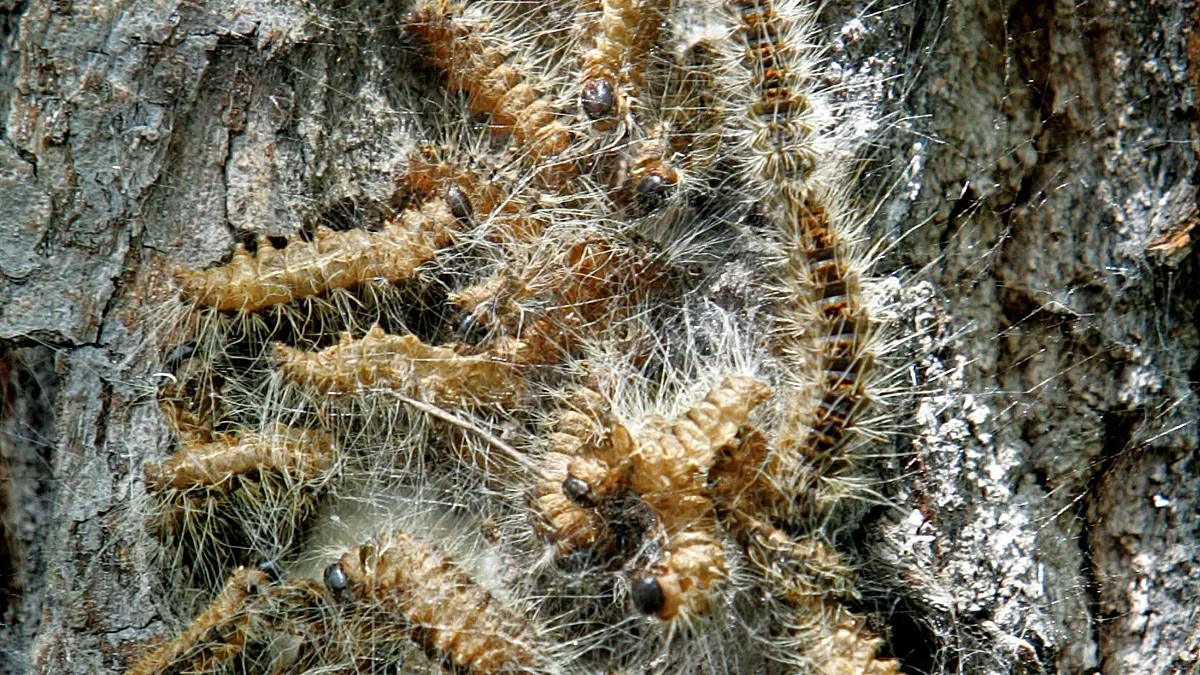
Poisonous Caterpillars Infest Berlin: Residents Face Unprecedented Health Risks
Escalating Infestation in Berlin’s Urban Areas
Poinews.com – The presence of poisonous caterpillars in Berlin has intensified, creating a growing health crisis for local residents. Specifically, the oak processionary moth caterpillar, known for its toxic hairs, has become a major concern in neighborhoods like Jungfernheide and Charlottenburg-Wilmersdorf. These small, striped insects have spread rapidly, turning once-safe public spaces into hazardous zones. Parks, playgrounds, and even streets have become avoided by many, as the caterpillars’ microscopic stinging hairs pose a risk to human health. The issue has sparked alarm, particularly among older adults, who are more vulnerable to severe allergic reactions and skin irritations.
Residents report that the caterpillars are now a common sight in gardens, sidewalks, and even on vehicles parked in affected areas. The infestation has not only disrupted daily routines but also raised questions about the city’s preparedness for such ecological challenges. Local authorities have yet to implement a widespread response, leaving communities to take matters into their own hands. With more than 1,000 reports of incidents in the past month, the problem is no longer confined to isolated cases—it has become a systemic threat across the city.
Health Impacts and Vulnerable Populations
Health experts warn that the caterpillars’ hairs, which contain a protein called thaumetopoein, can cause severe allergic reactions when inhaled, touched, or ingested. These hairs are so fine that they can easily become airborne, lingering in the air for hours and even days. For elderly residents, this poses a serious risk, as their immune systems are often weaker and they may spend more time outdoors for walks or errands. “It’s not just a nuisance—it’s a health emergency,” said Dr. Lena Höfer, a dermatologist specializing in environmental allergies.
“We’ve seen a surge in patients with severe rashes and respiratory issues,” Dr. Höfer added. “Many of them are in their 70s and 80s, and they’re afraid to step outside without a face mask.”
The caterpillars are also a concern for children, who often play in parks and are more likely to come into contact with the hairs. In one case, a kindergarten in Jungfernheide had to close temporarily after multiple children developed blisters on their skin. The situation has led to a surge in demand for cortisone tablets and antihistamines, with local pharmacies reporting a 40% increase in sales since the outbreak began.
Historical Context and Regional Spread
While the infestation in Berlin is recent, the oak processionary moth has been a growing threat across Europe for years. Originally native to the Mediterranean, the species has expanded its range due to climate change and increased temperatures. In Berlin, the caterpillars have been particularly prevalent in areas with oak trees, which serve as their primary host. The city’s urban forestry department has noted that the infestation has spread faster than anticipated, with new sightings reported in neighborhoods previously unaffected.
Compared to other regions, Berlin’s case is unique in its scale and impact on densely populated areas. Unlike rural zones where the caterpillars can be managed with targeted pesticide applications, the city’s restrictions on chemical use have limited immediate solutions. This has forced residents to rely on makeshift barriers and protective gear while waiting for long-term strategies. The situation has also highlighted the need for better early warning systems and public awareness campaigns, as many Berliners were unaware of the caterpillars’ danger until the outbreak became widespread.
Government Delays and Public Frustration
Despite the growing concern, the Berlin government has been slow to respond. Officials classify the caterpillars as non-pest species, which has led to a delay in implementing protective measures. This classification means that biocides—chemicals used to eliminate pests—have been banned in some areas, complicating efforts to control the infestation. “We need a balance between environmental safety and public health,” said city spokesperson Karin Meier. “But the current approach leaves citizens exposed.”
“This is a perfect example of bureaucracy slowing down critical action,” remarked a local resident. “The caterpillars are everywhere, and yet we’re still waiting for a proper response.”
The frustration has spilled into public forums, with community leaders and environmental groups calling for more proactive measures. Some have even suggested temporary closures of major thoroughfares, similar to those in parks, to reduce exposure. With no immediate solution in sight, the city’s residents are left to navigate a growing health threat that has disrupted their lives in unexpected ways.
Community Efforts and Public Awareness Campaigns
As the situation worsens, Berliners are taking it upon themselves to combat the infestation. A petition launched by local residents has garnered thousands of signatures, demanding a comprehensive strategy to address the problem. The petition calls for the use of approved pesticides in high-risk zones, improved signage to warn of caterpillar presence, and educational materials for schools and public health centers. “We can’t wait for the government to act,” said one organizer. “Every day without a solution means more people suffer.”
Meanwhile, community groups have begun organizing clean-up drives and distributing protective gear to those most at risk. Some residents are even using vacuums and gloves to remove caterpillars from their homes, while others have installed mesh barriers around their properties. These grassroots efforts highlight the urgency of the situation and the need for coordinated action. With the focus keyword “poisonous caterpillars infest Berlin neighbourhoods” being central to the crisis, the city must now prioritize addressing the issue before it escalates further.
As the debate over the best way to manage the infestation continues, one thing remains clear: the threat posed by these caterpillars is real and growing. The intersection of ecological change, urban planning, and public health has created a unique challenge for Berlin. Without immediate intervention, the fear of stepping outside may become a permanent part of daily life for many residents. The city’s ability to adapt to this crisis will determine how long the “poisonous caterpillars infest Berlin neighbourhoods” issue remains a concern for the community.