Japan to increase visa fees by more than five times starting on 1 July
e Visa Fees by More Than Five Times Starting on 1 July Japan to increase visa fees by more - Japan has announced a significant revision to its visa fee

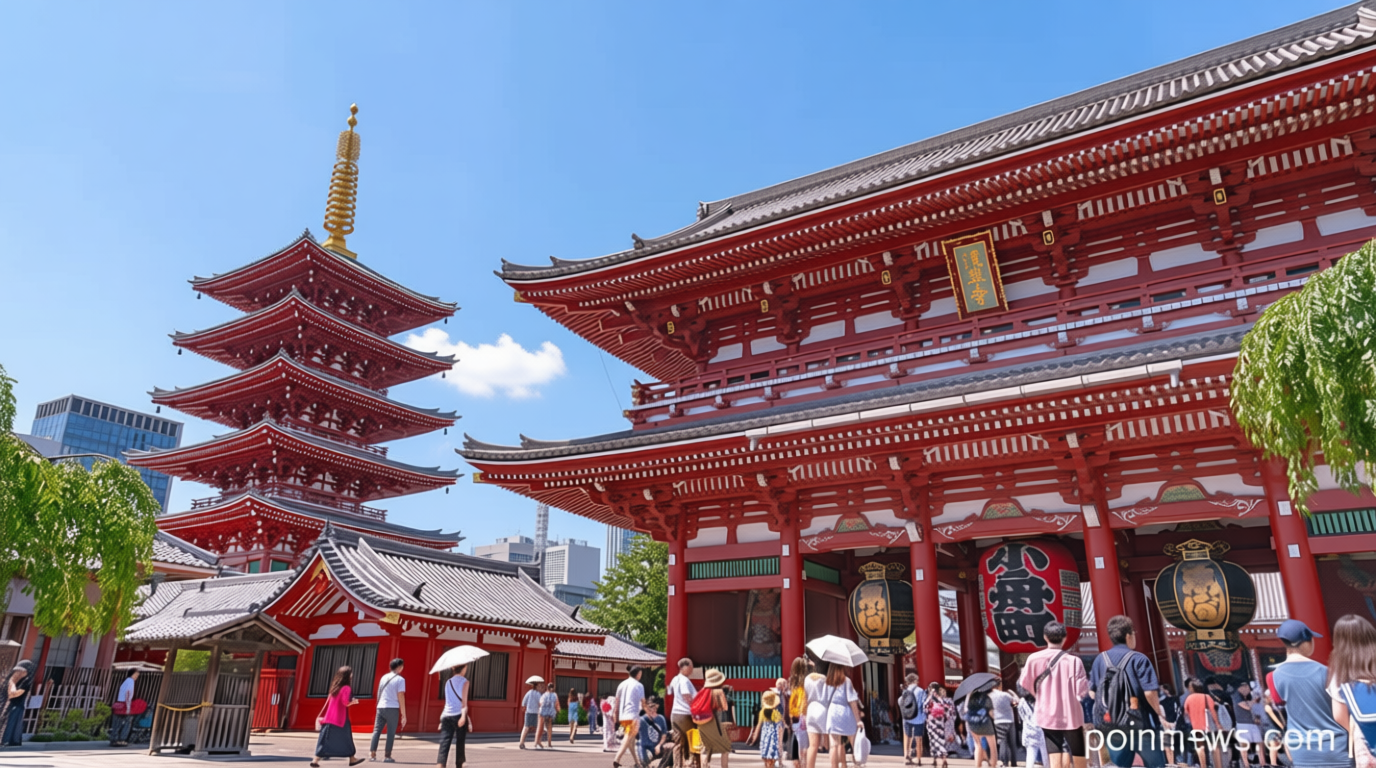
Japan to Increase Visa Fees by More Than Five Times Starting on 1 July
Poinews.com – Japan has announced a significant revision to its visa fee structure, which will take effect on 1 July 2026. This move marks the most substantial increase in visa costs in nearly 45 years, with the government citing inflation and currency fluctuations as key factors. The focus keyword, “Japan to increase visa fees,” will be central to this reform, affecting both tourists and business travelers from countries that require a visa to enter the nation. The adjustment is part of a broader effort to modernize Japan’s immigration policies and better align them with current economic realities.
The new policy will raise the fee for a single-entry visa from 3,000 yen to 15,000 yen, which is approximately €87. Multiple-entry visas, which allow for repeated visits within a set period, will see their costs increase from 6,000 yen to 30,000 yen, or around €175. These changes are designed to cover the rising administrative and operational expenses tied to processing visas, as well as to fund improvements in immigration infrastructure. The focus keyword, “Japan to increase visa fees,” reflects the government’s commitment to addressing these financial challenges through updated pricing structures.
“The existing visa fee system no longer reflects the true cost of managing immigration procedures and administrative overhead,” explained Foreign Minister Toshimitsu Motegi. “This revision is essential to ensure sustainability and efficiency in our border control processes.” The minister emphasized that the new fees will not only cover current expenses but also support long-term strategies to streamline operations and enhance service quality for international visitors.
Broader Immigration Reforms in Progress
Japan’s immigration reforms extend beyond visa fees, as the upper house recently approved amendments to the Immigration Control and Refugee Recognition Act. These changes aim to create a more flexible and responsive immigration framework, with the focus keyword, “Japan to increase visa fees,” serving as a component of this comprehensive overhaul. The updated law also raises the maximum charge for residence-status changes and visa renewals from 10,000 yen (€58) to 100,000 yen (€583), signaling a shift toward higher financial accountability in immigration management.
Permanent residency applications will now carry fees up to 300,000 yen (€1,750), up from the current 10,000 yen. This expansion is intended to address the record 4.13 million foreign residents Japan reported by year-end 2025, as well as to fund increased staffing and technological upgrades at border checkpoints. Officials argue that the focus keyword, “Japan to increase visa fees,” is necessary to ensure the system can handle growing numbers of travelers without compromising service standards or security measures.
The reforms are scheduled for implementation by the end of the 2026 fiscal year, which will see the full impact of the fee hikes on both short-term and long-term immigration dynamics. The government plans to use these additional funds to modernize data systems, improve documentation processes, and enhance collaboration with international partners. This shift underscores Japan’s determination to maintain control over its immigration flows while adapting to global travel trends and economic pressures.
Enhanced Immigration Management Systems
A critical part of Japan’s strategy is the introduction of a new online travel authorization program, JESTA, which will streamline entry procedures for visa-exempt travelers. This system, similar to those in the U.S. and U.K., requires visitors to submit personal details before departure, enabling authorities to cross-check information against immigration and criminal databases. The focus keyword, “Japan to increase visa fees,” ties into the broader goal of leveraging technology to improve efficiency and reduce processing times, even as costs rise.
JESTA is set to launch in fiscal 2028, with the first phase of implementation expected to coincide with the new visa fee structure. Under this program, individuals flagged for overstaying or other immigration violations may face automatic entry denials, enhancing Japan’s ability to monitor and manage the movement of non-residents. The system is also designed to reduce the administrative burden on border staff, allowing them to focus on more complex cases and high-risk travelers. This technological advancement, combined with the focus keyword, “Japan to increase visa fees,” demonstrates the country’s forward-thinking approach to immigration governance.
Officials anticipate continued strong demand for travel to Japan, citing record-breaking international visitor numbers in recent years. Despite the focus keyword, “Japan to increase visa fees,” the government remains confident that the reforms will attract and sustain interest from global tourists, who are drawn to Japan’s cultural, economic, and technological attractions. The weaker yen and growing popularity of Japanese destinations like Tokyo, Kyoto, and Osaka are expected to offset some of the financial impact on visitors, ensuring the country remains a competitive travel destination.
Japan’s decision to increase visa fees by more than five times is part of a global trend where countries are adjusting immigration costs to reflect inflation and operational needs. While the focus keyword, “Japan to increase visa fees,” highlights the nation’s specific changes, it also aligns with similar adjustments in Western nations. The government argues that these fees are still reasonable compared to countries like Australia and Canada, which maintain higher charges for certain visa categories. This comparison is crucial in positioning Japan’s reforms as both necessary and equitable in the international context.
As the focus keyword, “Japan to increase visa fees,” takes effect, it will be important to monitor its impact on both the tourism sector and the overall economy. While the initial cost increase may deter some travelers, the long-term benefits of improved immigration management are expected to outweigh these concerns. The reforms also signal Japan’s intent to balance growth with control, ensuring that its borders remain open to international visitors while maintaining effective oversight of immigration processes.