Iran renews Hormuz threats as Doha talks end with cautious progress
Iran renews Hormuz threats as Doha talks end with cautious progress Iran renews Hormuz threats as Doha - Iran's unified military authority issued a warning on

Iran renews Hormuz threats as Doha talks end with cautious progress
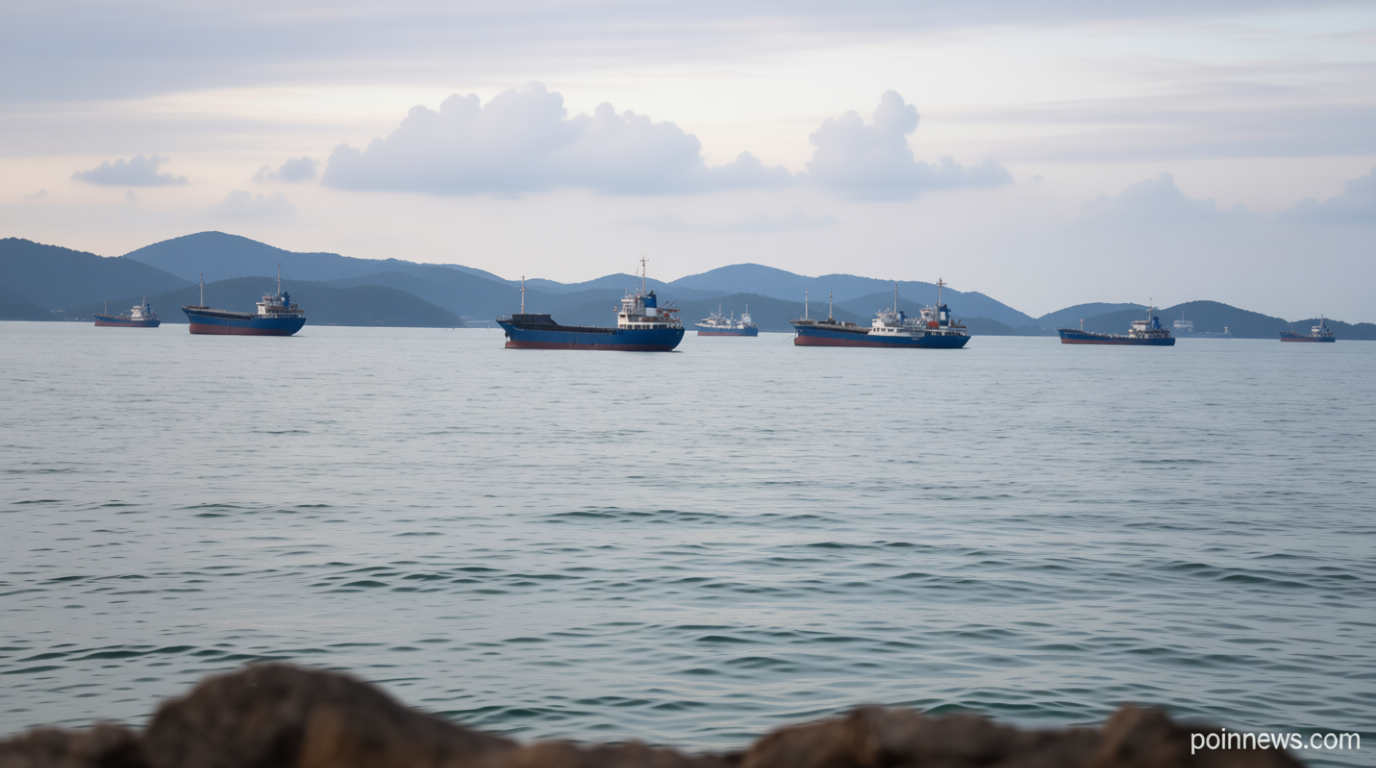
Poinews.com – Iran’s unified military authority issued a warning on Thursday, stating that any ships passing through the Strait of Hormuz must adhere to routes approved by Tehran or risk a “forceful response.” This statement has intensified concerns over the vital waterway, which serves as a critical artery for global trade. The strait, a narrow passage between the Persian Gulf and the Arabian Sea, has become a central concern in ongoing efforts to conclude the Iran war permanently.
Regional Tensions and Diplomatic Efforts
Following a series of meetings in Qatar, US and Iranian diplomats met with mediators in Doha on Wednesday. While the talks yielded some positive outcomes, the exact cause of Iran’s latest warning remains unclear. The US Central Command (CENTCOM) had earlier emphasized its commitment to ensuring free movement of commerce through the strait during meetings in Bahrain, a message that appears to have upset Tehran.
“Any failure to comply, deviation from the designated route, or disregard for the navigation protocols of the Islamic Republic of Iran in the Strait of Hormuz will be met with an immediate and forceful response from the armed forces, endangering the security of the violating vessels,”
The Iranian military command’s statement also criticized the continued presence of US fighter jets in the region, claiming it “causes insecurity in this waterway and threatens regional security.” The warning further asserted that any US interference in security matters would be seen as a challenge to Iran’s sovereignty.
Agreement and Disagreement on Trade Routes
A framework deal signed between Iran and the US in June included a 60-day ceasefire and the reopening of the Strait of Hormuz. During this period, ships could transit the waterway without paying fees. However, Iran insisted on maintaining control over vessel routes and later imposing charges, a move that has drawn resistance from the US and Gulf nations.
Recent tensions escalated when attacks near Oman’s coast, prompted by an attempt to establish an alternative route, sparked a series of strikes across the Middle East last weekend. These incidents added pressure to the current round of negotiations aimed at achieving a lasting peace.
Recent Calm and Diplomatic Signs
Despite the recent flare-ups, the days preceding the Qatar talks saw a reduction in hostilities. The two sides concluded a round of indirect discussions in Doha, according to mediators, marking a step toward resolving long-standing disputes. Qatar and Pakistan, acting as intermediaries, reported positive strides in talks, with both nations expressing optimism about the diplomatic process.
“Qatari and Pakistani mediators concluded separate meetings with the US and Iranian negotiators in Doha (Wednesday), with positive progress made,”
Iran’s Deputy Foreign Minister, Kazem Gharibabadi, highlighted that a communication channel was established by Thursday to track alleged breaches of the agreement. Discussions also covered the release of frozen Iranian assets, a key demand for Tehran in any settlement. Officials confirmed that goods essential to Iran would be procured and supplied as part of the deal.
Earlier, US President Donald Trump remarked to reporters that “the denuclearisation of Iran is moving along well,” signaling a cautiously hopeful outlook ahead of the talks. The June memorandum of understanding, brokered by Qatar and Pakistan, set a timeline for negotiations to address the war’s aftermath, including arrangements for Hormuz, reconstruction funding, and the future of Iran’s nuclear program.