Smart meters save money and prevent wasting renewables: Which country is leading Europe’s rollout?
Smart Meters Save Money and Prevent Waste: Leading EU Country Revealed? Smart meters save money and prevent waste, marking a transformative shift in Europe’s

Smart Meters Save Money and Prevent Waste: Leading EU Country Revealed?
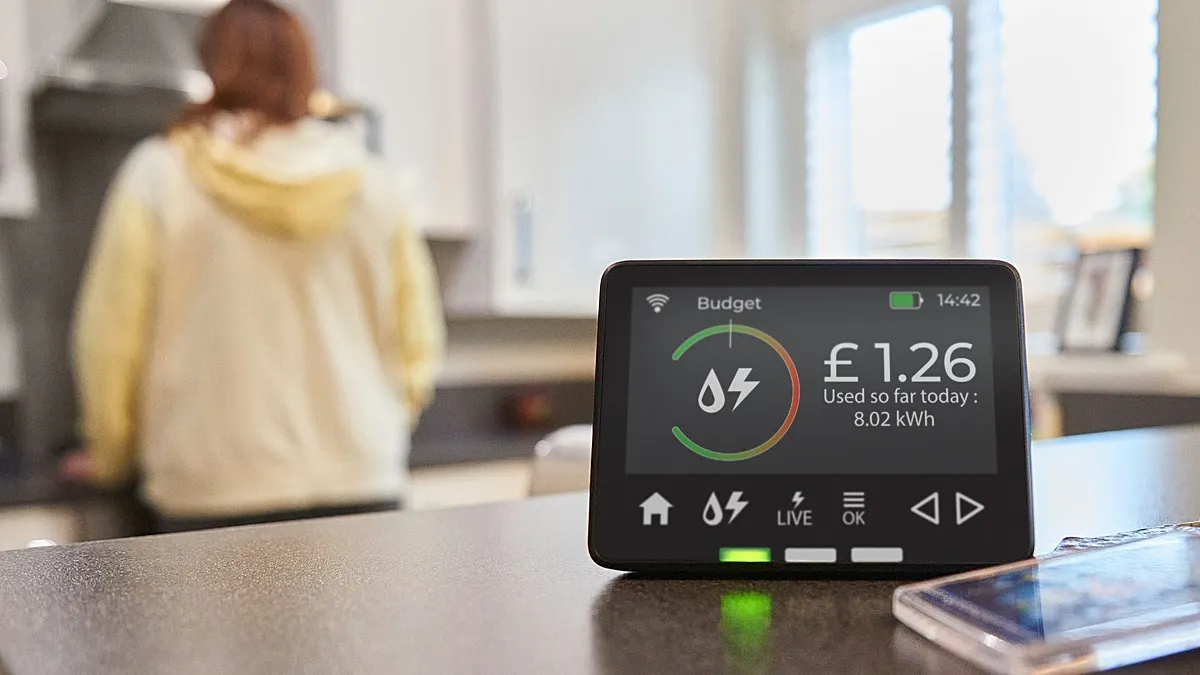
Poinews.com – Smart meters save money and prevent waste, marking a transformative shift in Europe’s energy consumption habits. As renewable energy sources like wind and solar become more prevalent, the challenge of aligning supply with demand has intensified. Traditional energy systems, reliant on fossil fuels and nuclear power, offer greater control over production schedules, while renewables depend on natural conditions. For example, solar panels generate electricity only during daylight, yet consumer usage often peaks in the evening. Smart meters address this gap by enabling real-time tracking of energy consumption, allowing households to adjust their usage patterns to match renewable availability and reduce unnecessary costs.
How Smart Meters Enhance Energy Efficiency
Smart meters are more than just tools for accurate billing—they are catalysts for energy efficiency. By providing consumers with detailed data on their consumption, these devices empower individuals to identify high-use periods and make informed decisions. This is particularly impactful when paired with dynamic pricing models, which incentivize users to shift energy-intensive tasks to times of surplus production. For instance, charging electric vehicles during off-peak hours can significantly cut costs while supporting the integration of renewables into the grid. Such flexibility not only saves money but also prevents the wastage of energy generated from sustainable sources.
According to the International Renewable Energy Agency (IRENA), smart meters contribute to a more resilient energy system by reducing the need for curtailment—discarding excess renewable energy due to grid constraints. This is crucial as the EU aims to achieve a 42.5% renewable energy share by 2030. However, challenges persist in scaling adoption. The European Commission estimates that demand-side flexibility, driven by smart meters, could save consumers over €71 billion annually by 2030. This potential, though, requires consistent implementation across member states and overcoming resistance from consumers wary of data privacy concerns.
Progress and Regional Variations
Despite delays, the EU has made strides in smart meter deployment. The 2009 Third Energy Package set a target of 80% household coverage by 2020, but progress varied. By 2025, only around 60% of homes across the bloc were equipped with smart meters. New EU-wide targets, announced in June 2025, now aim for 50% coverage by 2030 and 65% by 2033. These revised goals reflect a more measured approach, balancing the benefits of smart meters with the complexities of implementation.
Implementation methods differ significantly by country. In the UK, energy suppliers face financial penalties for failing to meet installation targets, creating a strong incentive for progress. Conversely, in France, households may be charged for opting out of smart meter installation. Costs are typically distributed through regulated network fees or energy bills, with some nations incorporating incentives to boost uptake. For example, Germany has promoted smart meters as a key component of its climate strategy, while the Netherlands has focused on consumer education to address skepticism.
“Demand-side flexibility could save EU consumers more than €71 billion a year by 2030 in a best-case scenario,” states the European Commission. This figure, derived from a 2022 industry study, highlights the economic potential of smart meters in reducing waste and optimizing energy use. Yet, achieving this requires overcoming barriers such as consumer distrust, infrastructure challenges, and varying national policies.
Smart meters save money and prevent energy waste by fostering a culture of mindful consumption. Real-time data allows users to monitor and adjust their habits, such as reducing appliance use during peak hours or shifting tasks to times when renewable energy is abundant. This not only lowers bills but also supports the EU’s broader goal of decarbonizing the energy sector. In 2025, Germany spent approximately €435 million to compensate renewable producers for surplus energy, underscoring the importance of smart meters in reducing such costs. As countries refine their strategies, the role of smart meters in preventing waste and saving money will become increasingly vital to Europe’s energy transition.