US will seize and control Iran’s Kharg Island and other key oil facilities, Trump says
Trump Announces Plan to Seize Iran's Oil Infrastructure, Including Kharg Island US will seize and control Iran - U.S.

Trump Announces Plan to Seize Iran’s Oil Infrastructure, Including Kharg Island
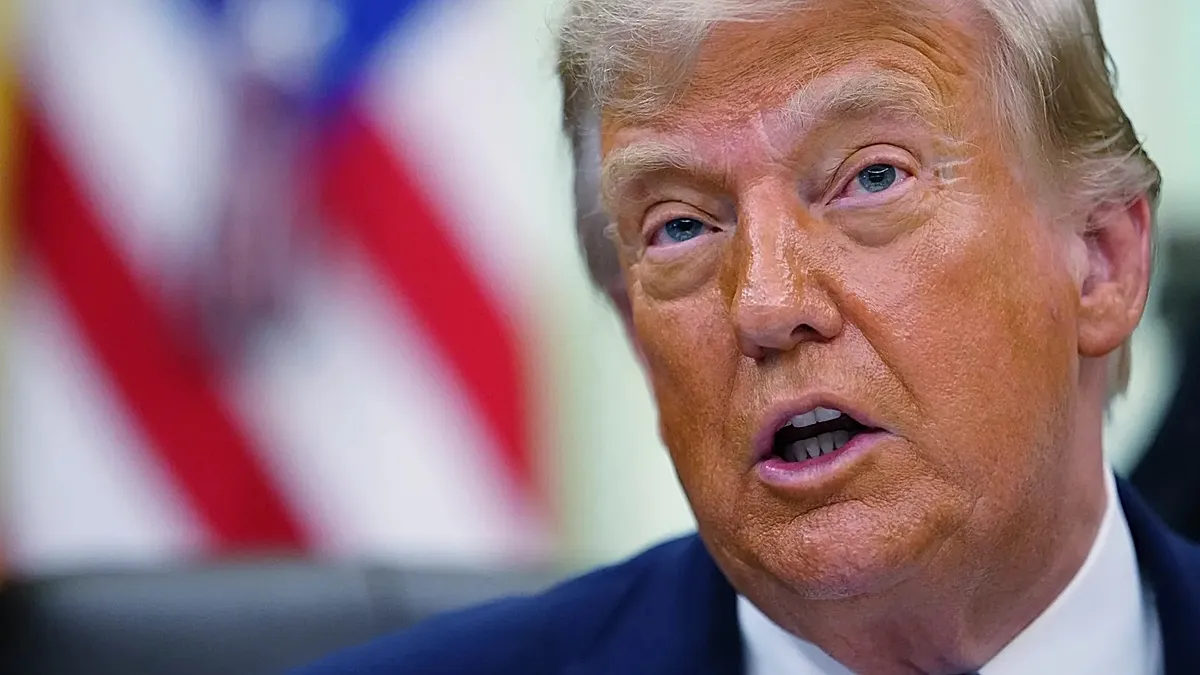
Poinews.com – U.S. President Donald Trump has vowed to seize and control Iran’s critical oil facilities, including the strategic Kharg Island, as part of a broader strategy to disrupt the country’s energy operations. The declaration, made on June 11, 2026, comes amid heightened geopolitical tensions in the Middle East, with the U.S. and Iran engaging in a cycle of retaliatory attacks that have spanned multiple days. “We will be taking Kharg Island and other oil infrastructure points, and assume total control of their Oil and Gas Markets, much like we have with Venezuela,” Trump stated on his social media platform, Truth Social, signaling a potential shift in the conflict’s focus toward economic leverage.
The Strategic Significance of Kharg Island
Kharg Island, located in the northern Persian Gulf, serves as a linchpin for Iran’s oil exports. Despite its modest size—measuring around 8 kilometers in length and 4 to 5 kilometers in width—the island houses essential infrastructure such as storage tanks, pipelines, and offshore terminals. It is the primary departure point for approximately 90% of Iran’s crude oil shipments, much of which is destined for Asian markets, particularly China. The island’s role as a logistical hub for oil fields underscores its importance in the country’s energy strategy, making it a prime target for U.S. military intervention. Analysts suggest that seizing control of Kharg Island could significantly impact Iran’s ability to meet its export targets and sustain its economy.
U.S. Military Actions and Regional Escalation
The U.S. military has intensified its efforts to disrupt Iran’s oil operations, employing a combination of missile strikes and maritime blockades. Earlier in the week, a U.S. attack on an Iranian merchant vessel resulted in the deaths of three Indian sailors, according to an Indian official. This incident highlighted the growing risk of collateral damage in the region. Meanwhile, Iran retaliated by launching attacks on Kuwait, Bahrain, and Jordan, though details of the infrastructure damage remained sparse. The U.S. continued to assert that its actions were aimed at curbing Iran’s energy dominance, with Trump emphasizing the need to “take control” of key facilities to weaken Tehran’s economic leverage.
Kharg Island’s strategic value extends beyond its physical infrastructure. As a gateway for oil exports, it is vital to Iran’s national economy and its ability to fund regional ambitions. The U.S. plan to seize and control such assets reflects a broader strategy of using economic pressure as a tool of diplomacy. This approach has been employed in past conflicts, such as the situation in Venezuela, where U.S. sanctions and military presence disrupted the country’s oil industry. By targeting Iran’s oil infrastructure, Trump aims to force the country into a more vulnerable position, potentially accelerating negotiations or increasing compliance with U.S. demands.
The conflict has also raised concerns about the Strait of Hormuz, a critical chokepoint for global oil trade. Iran claimed to have closed the strait, though traffic restrictions had already been in place since the conflict began. The U.S. countered by stating that it had allowed oil shipments to continue through the waterway, underscoring its commitment to maintaining energy flows. However, the threat of U.S. control over key facilities could disrupt this balance, leading to potential bottlenecks in the global oil supply. The strategic importance of the region means that any disruption could have far-reaching consequences for energy prices and international trade.
Amid these developments, the U.S. and Israel have shown differing approaches to Iran’s nuclear program. While the war was initially framed as a means to prevent Iran from acquiring nuclear weapons, the focus has shifted toward economic control. Trump’s emphasis on seizing and controlling oil facilities highlights a new phase in the conflict, where military and economic pressures are intertwined. This dual strategy could pressure Iran into concessions on its nuclear ambitions, but it also risks further destabilizing the region. The international community remains divided on the best course of action, with some nations urging restraint and others supporting the U.S. military buildup.
As the situation unfolds, the U.S. remains determined to assert dominance over Iran’s oil sector, using its military capabilities and economic leverage to achieve strategic objectives. The announcement of seizing and controlling key facilities marks a significant escalation, with implications for both regional stability and global energy markets. While Iran has not yet abandoned negotiations, the threat of U.S. control over its oil infrastructure may force the country into a more defensive posture. The coming weeks will be crucial in determining whether this approach leads to a lasting resolution or deepens the conflict, underscoring the complex interplay of military, economic, and diplomatic factors in the Middle East.