Europe jolted by the Kremlin’s ‘hybrid’ escalation
The formal determination by Berlin that Moscow engineered the recent attempted drone strike on Leipzig airport has sent shockwaves through European capitals

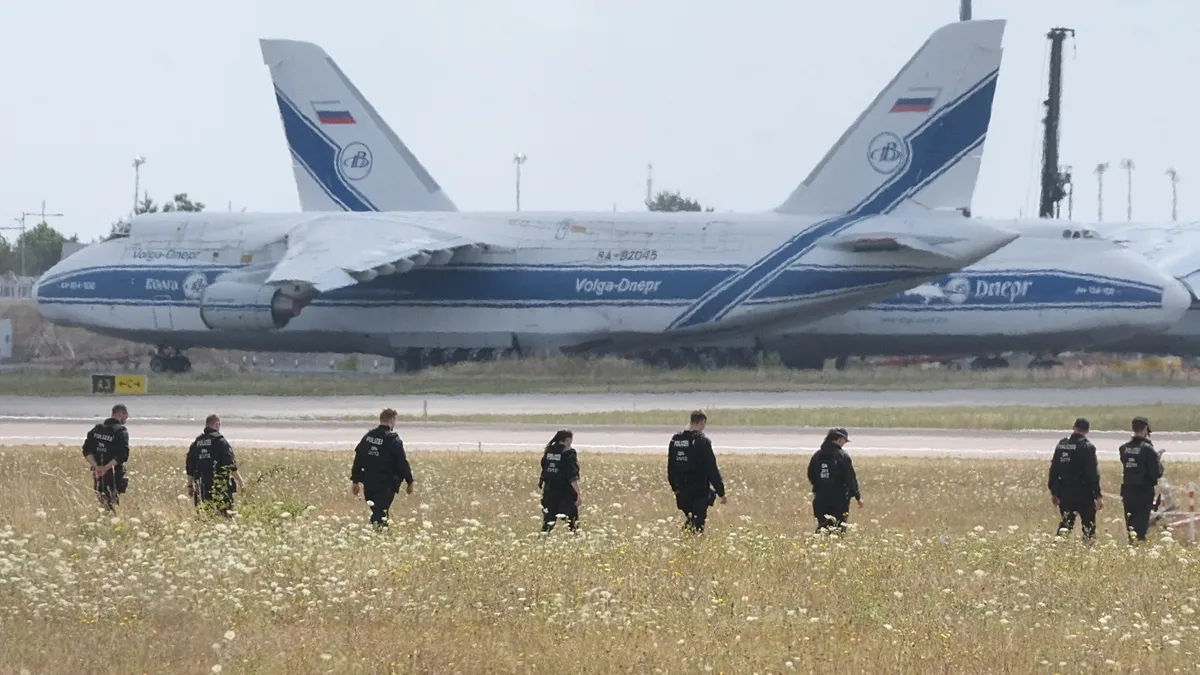
Table of Contents
Leipzig Drone Attribution Marks a Turning Point in Europe–Russia Confrontation
Poinews.com – The formal determination by Berlin that Moscow engineered the recent attempted drone strike on Leipzig airport has sent shockwaves through European capitals, signaling that the shadow war between Russia and the continent has crossed a threshold. For years, European governments have absorbed a steady drumbeat of sabotage, arson, and covert operations while stopping short of naming their author. That restraint, however, appears to have ended. Germany’s explicit attribution of blame to the Kremlin — followed immediately by a package of new sanctions and a sharp escalation of its domestic threat assessment — represents the most direct public accusation yet leveled at Moscow over a hybrid operation on European soil.
Sanctions, Threat Levels, and the Language of War Without War
German Interior Minister Alexander Dobrindt used a Tuesday briefing to announce tightened entry controls targeting Russian nationals alongside additional punitive measures against Moscow. He framed the moment with deliberate gravity:
“Let me be very clear: we are not at war. But we are the target of hybrid attacks on a daily basis.”
The distinction matters. Germany simultaneously elevated its national threat level from “general” to “high,” a step that triggers heightened security protocols at airports, transport hubs, and critical infrastructure across the country. The move underscores how routine hybrid pressure has become: what was once an exceptional incident is now, in Berlin’s own assessment, a daily condition.
NATO and the EU Align Their Responses
NATO Secretary-General Mark Rutte did not leave room for ambiguity about who carried out the Leipzig operation. He described the evidence pointing to Russia as “clear” and pledged that the Alliance would strengthen its capacity to deter and defend member states against what he termed “malign actions like those seen in Leipzig.”
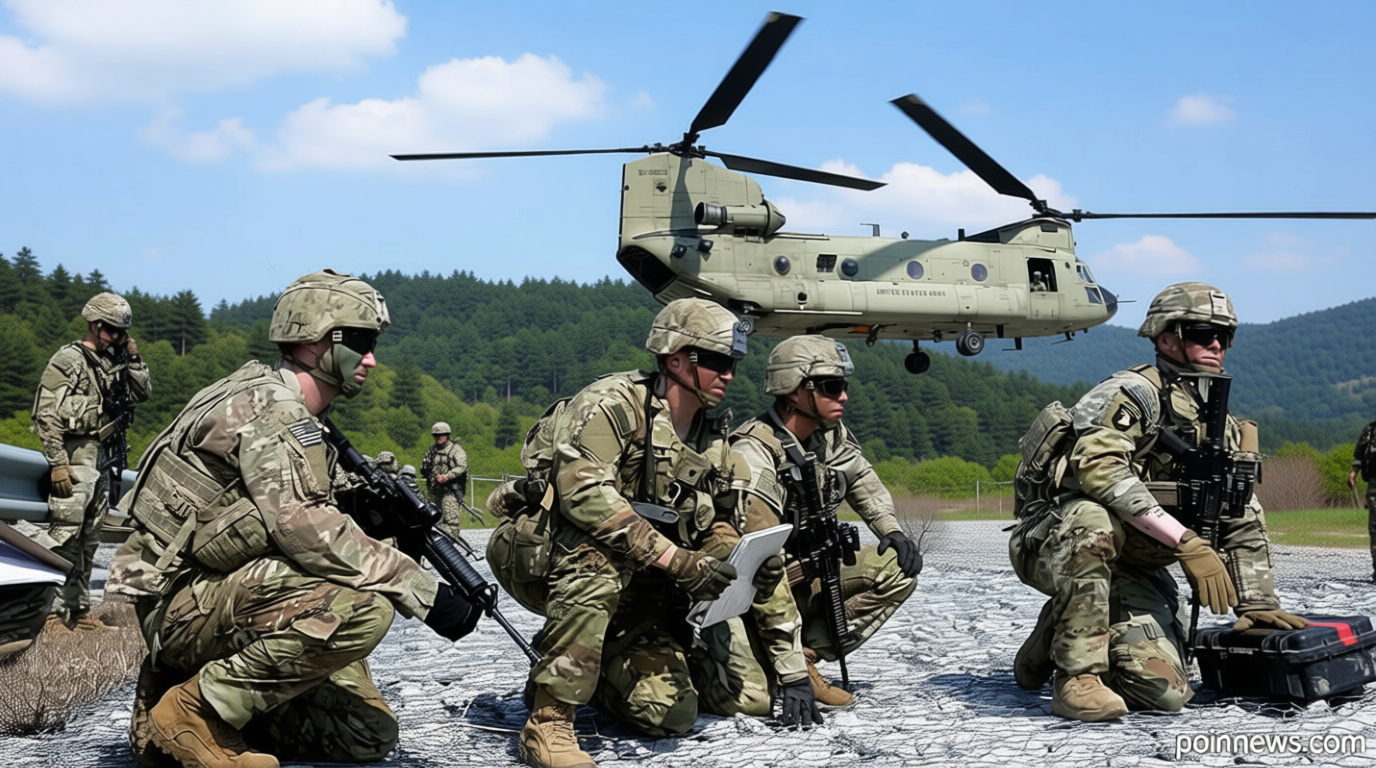
European Commission President Ursula von der Leyen, for her part, committed to delivering a “clear response” from the EU side. She was scheduled to sit down with Rutte later in the day for bilateral talks. Officials from both institutions indicated the conversation would center on coordinating the Alliance’s military posture with the Commission’s regulatory and economic instruments to counter the Kremlin’s hybrid campaign more effectively.
Solidarity messages followed swiftly. Polish Prime Minister Donald Tusk declared that Europe would “not be intimidated,” while Italian Prime Minister Giorgia Meloni pledged a “united response” across member states. The chorus of support reflected a continent increasingly unwilling to treat isolated sabotage incidents as manageable nuisances.
From Ambiguity to Attribution: A Pattern Finally Named
The Leipzig episode is not the first suspected Russian hybrid operation on European territory. In recent years, exploding parcels have been discovered at a logistics depot in Germany, and an arson attempt struck an Ikea store in Vilnius. Yet in each prior case, governments stopped at describing the event without formally assigning responsibility to Moscow. The Leipzig attribution breaks that pattern. It is the first instance in which a major European state has publicly and specifically identified the Kremlin as the actor behind a hybrid strike on its own soil, and the political consequences of that naming are already unfolding.
Escalation Fears and a Secret Moscow Visit
The attribution lands against a backdrop of growing speculation that President Vladimir Putin may be probing whether his hybrid offensive can be converted into something more overt — a direct military confrontation with European states. NATO and EU officials have publicly pushed back against that trajectory, but the unease persists. Reports that CIA Director John Ratcliffe made a covert trip to Moscow, reportedly to dissuade Putin from escalating pressure against the Baltic states, have only deepened the sense that the situation is more volatile than official statements suggest.
EU Foreign Ministers Convene in Ireland
The developments in Germany are set to dominate the informal gathering of EU foreign ministers taking place today in Ireland. High Representative Kaja Kallas told delegates the bloc is preparing “the most far-reaching sanctions” against Moscow to date. A draft list already names more than 1,600 companies and individuals, and officials indicated the number would likely expand in light of Berlin’s formal attribution. The scale of the package signals that Brussels intends to treat the Leipzig incident not as an isolated event but as confirmation of a sustained campaign warranting a proportionate economic response.
The Patriot Gap and Ukraine’s Air-Defence Crisis
Support for Ukraine occupied a parallel track in the ministers’ agenda. Member states are scrambling to identify ways to deliver the air-defence systems Kyiv urgently requires to intercept the growing waves of Russian ballistic missiles raining down on its cities. Kallas acknowledged there is “no concrete success” yet in persuading Greece and Spain to donate their Patriot interceptor batteries — a gap that leaves Ukrainian skies exposed at precisely the moment Russian strike intensity is rising.
Zelenskyy’s Direct Warning to Global Aviation
In a statement issued the previous evening, Ukrainian President Volodymyr Zelenskyy addressed airlines, insurers, and airport operators directly. He warned that Ukrainian drone operations would render Russian airspace effectively closed, following a week of relentless missile attacks on Kyiv and continuous air-raid alerts across the capital.
“Today we want to warn every airline that uses Russian airspace, every insurer, everyone who still uses key Russian airports — Russian skies are becoming completely dangerous. Although the Russian authorities do not report this as they should, Russian skies will de facto be closed.”
Zelenskyy stressed that Kyiv does not threaten civilian aviation, but made clear that operators continuing to route through Russian airspace and its major airports must factor in the expanding Ukrainian drone footprint. The statement carries commercial implications for carriers that have maintained trans-Siberian or northern routes, and it adds another layer of economic pressure on Moscow’s aviation sector.
The €90 Billion Question
Behind the diplomatic and military headlines lies a harder arithmetic problem. Russia’s sustained drone campaign, aimed in part at disrupting Ukrainian economic activity, is rapidly inflating Kyiv’s material costs of defence. Ukraine’s Ministry of Defence now faces a €23 billion deficit. The European Commission’s €90 billion loan, originally structured to sustain Ukrainian spending through the end of 2027, is coming under strain. Brussels is reluctant to reopen the politically delicate debate so soon after approving the package, yet the plan as drafted foresees disbursing roughly €45 billion in the near term — a figure that may prove insufficient if the current tempo of Russian strikes continues. For now, the question of whether the loan can stretch to its intended horizon remains unanswered, and the answer will shape European fiscal politics well into next year.
Related Reading
Frequently Asked Questions
What is Europe jolted by the Kremlin s hybrid?
Europe jolted by the Kremlin s hybrid is the main topic of this guide. The article explains the context, practical details, and next steps readers should understand.
Why does Europe jolted by the Kremlin s hybrid matter?
Europe jolted by the Kremlin s hybrid matters because readers are looking for a useful answer, not just a short summary. Good content should match search intent and help them decide what to do next.