US begins review of its military presence in Europe
The United States has officially begun a comprehensive review of its military presence in Europe, marking a significant shift in transatlantic defense

US Begins Review of Its Military Presence in Europe
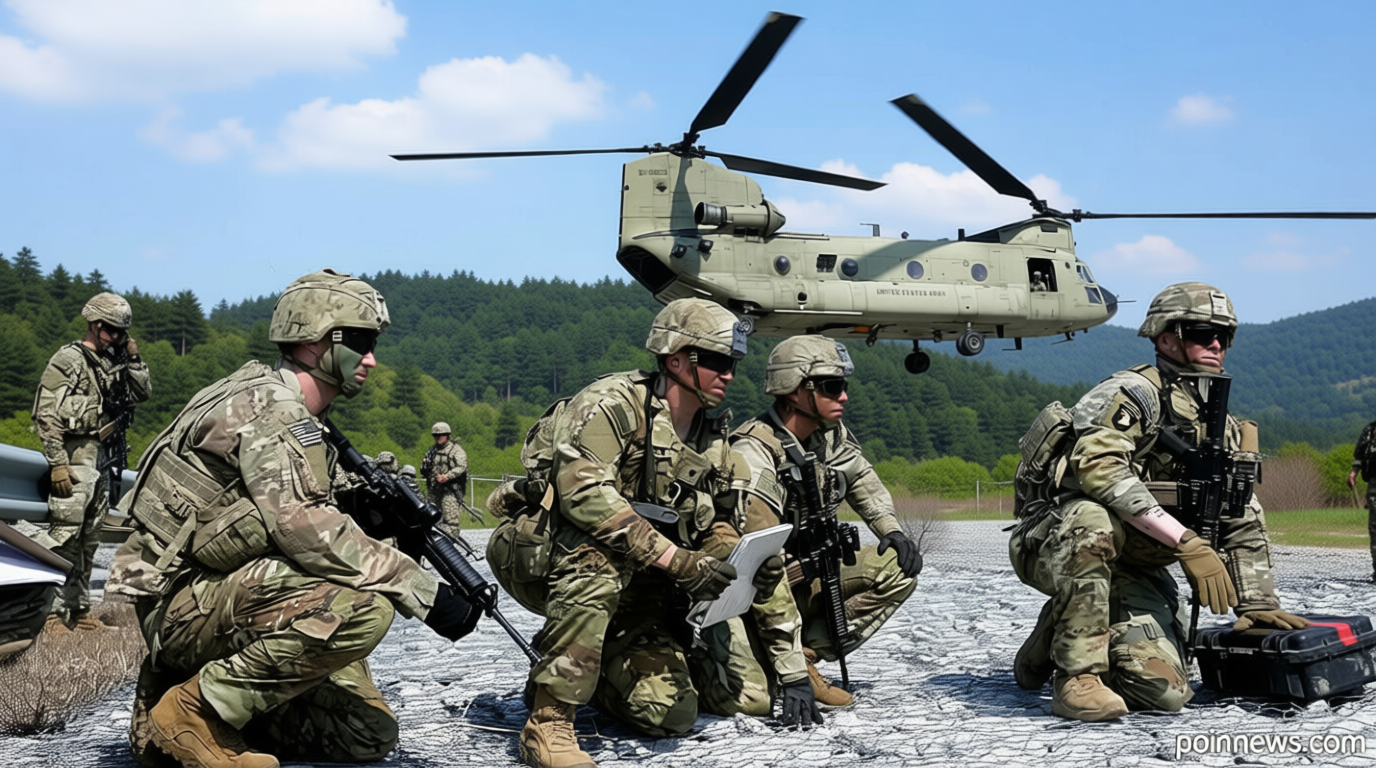
Poinews.com – The United States has officially begun a comprehensive review of its military presence in Europe, marking a significant shift in transatlantic defense strategy. This development follows repeated criticisms from US President Donald Trump regarding European allies within the NATO alliance. The initiative, which signals a potential restructuring of American forces on the continent, is US begins review of its military operations to ensure greater European self-reliance in conventional defense matters.
According to US Under Secretary of Defence Elbridge Colby, who announced the initiative on social media platform X, the review is “designed to ensure that NATO is moving fast and irreversibly toward Europe taking primary responsibility for its conventional defence.” Colby further emphasized that “the outcome of this review will be an acceleration of NATO’s transition to a stronger, more equitable, and sustainable alliance.” This statement underscores Washington’s commitment to rebalancing defense responsibilities across the alliance.
Timeline and Context of the Review
The announcement comes approximately one month after US Defence Secretary Pete Hegseth first informed NATO allies of Washington’s intentions. During a meeting in Brussels in June, Hegseth told his counterparts: “This will be a real review. It will be designed to ensure that NATO is moving fast and irreversibly toward Europe leading, stepping up to take primary responsibility for the defence of Europe.”
“It’s a review that some countries will fail and others will pass with flying colours,” Hegseth added, highlighting the competitive nature of the upcoming assessment.
During his speech at NATO headquarters in Brussels, Hegseth echoed Trump’s repeated criticisms and addressed European allies’ responses—or lack thereof—to the joint US-Israeli war in Iran. Notably, several European nations refused to allow US forces access to their bases for launching attacks. Hegseth also threatened to reduce Washington’s NATO financial contribution unless allies met their defence spending targets.
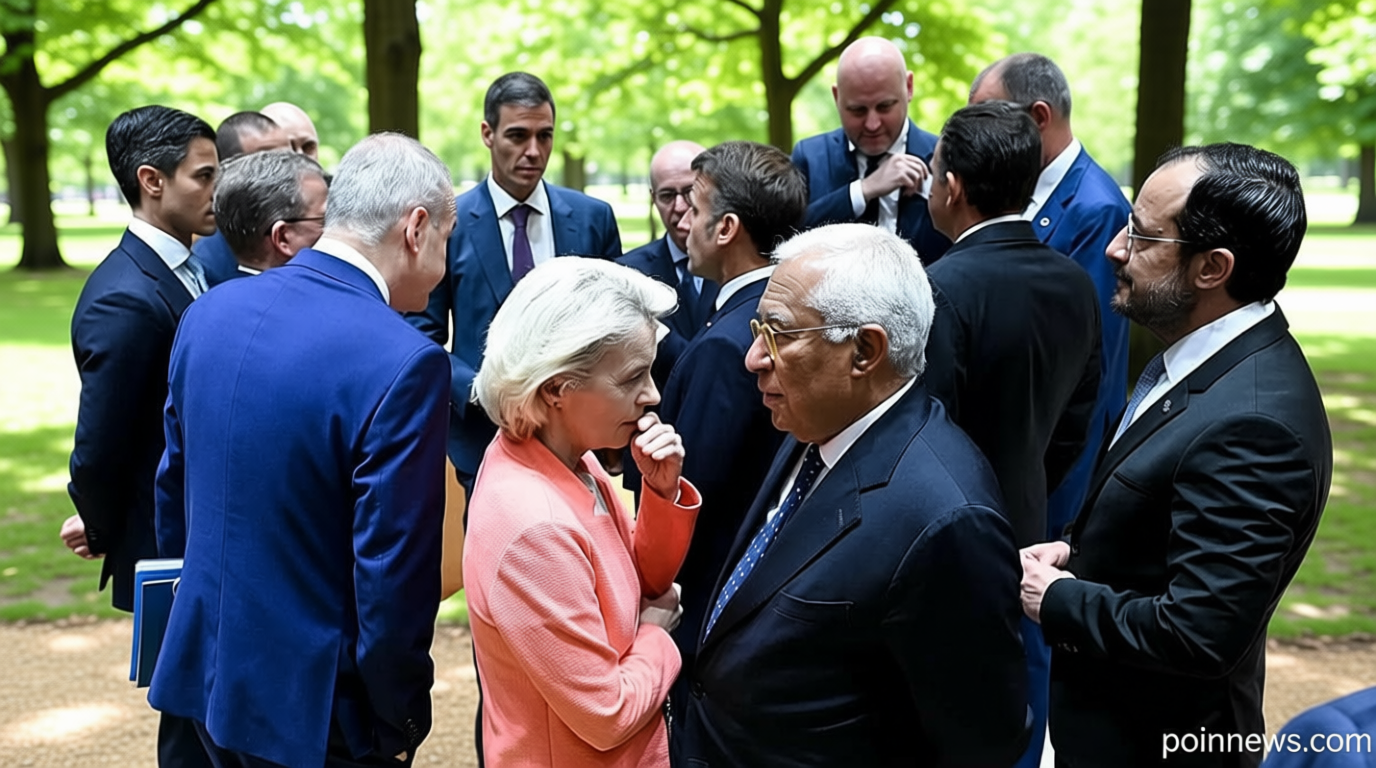
The review represents a significant challenge for European allies, who must now prepare for potential reductions in American military presence. German Chancellor Friedrich Merz acknowledged last month that European nations had been aware of Washington’s plans to withdraw troops from Europe at some point. Merz emphasized the necessity for the European bloc to strengthen its own security capabilities, stating: “We know that we must do more and we are doing it.”
In recent months, European allies and Canada have accelerated efforts to enhance their defense capabilities amid growing uncertainty about Washington’s long-term security commitments. Speaking ahead of the annual NATO summit in Ankara earlier this month, European Commission chief Ursula von der Leyen and NATO Secretary General Mark Rutte stressed that NATO must become more European to reduce its historical reliance on the US security umbrella.
“We cannot continue, as we did, being over-reliant on the United States,” von der Leyen declared. Rutte supported this view, calling for “a much stronger Europe within a stronger NATO,” while highlighting an “unparalleled” transformation driven by closer EU-NATO cooperation. As the US begins review of its military operations, European nations face both challenges and opportunities to reshape their collective defense posture for the future.