Europeans want less dependence on foreign technologies, study finds
e on Foreign Technologies, Research Reveals Europeans want less dependence on foreign - Over 80% of Europe’s digital infrastructure depends on international

Europeans Seek Reduced Reliance on Foreign Technologies, Research Reveals
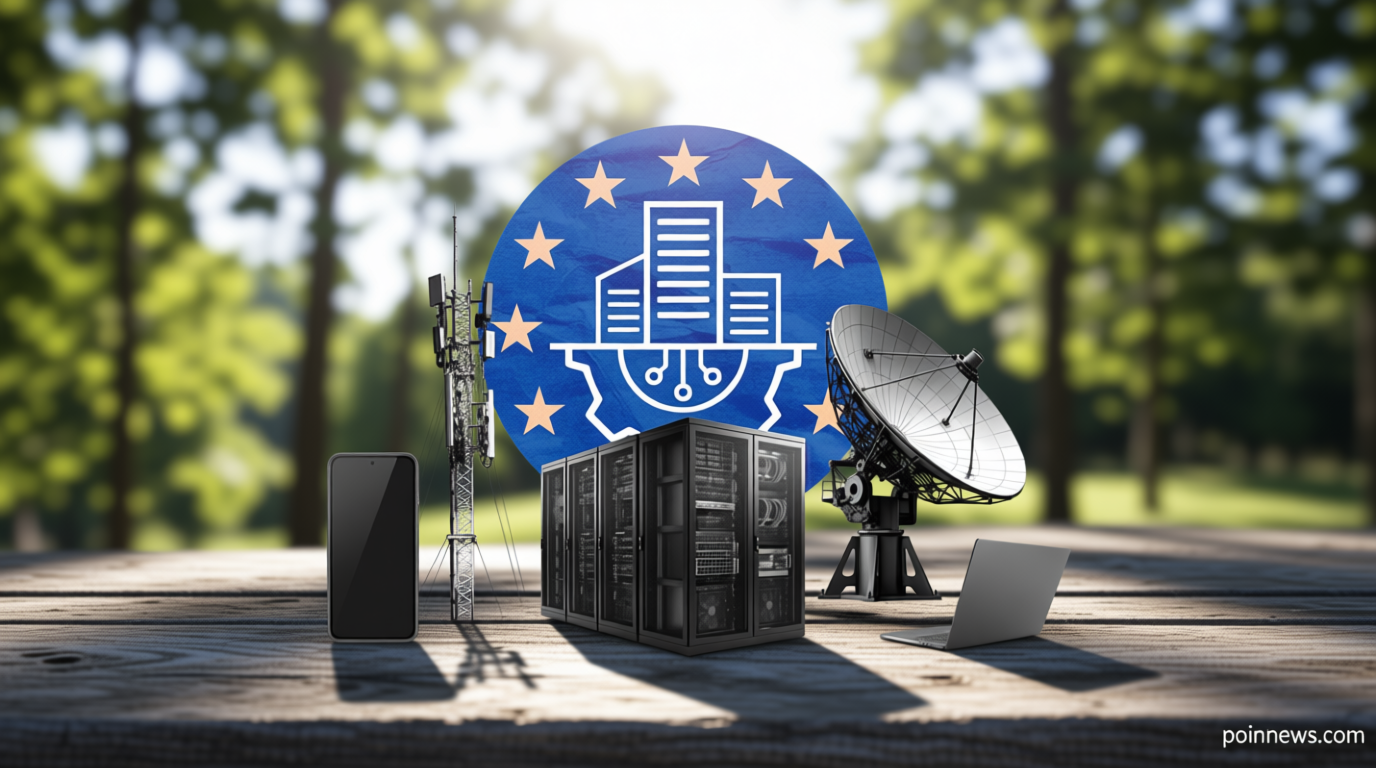
Poinews.com – Over 80% of Europe’s digital infrastructure depends on international suppliers, with major players including U.S. tech giants like Google, Microsoft, and Apple, alongside Chinese firms such as Alibaba and ByteDance, which operates TikTok. Despite this global dependency, a Eurobarometer survey indicates strong public support for European-led digital systems.
Public Demand for Domestic Control
Majority of EU citizens favor digital infrastructure managed within the bloc. Swedes, Finns, and Danes showed the highest levels of agreement, with 94%, 93%, and 92% respectively urging greater EU investment in local tech solutions. This trend reflects a broader desire to minimize reliance on non-European technologies, particularly from the U.S. and China.
“The sense of urgency around digital sovereignty is evident in public discourse,” said Johan Linåker, a senior researcher at Sweden’s RISE institute and adjunct professor at Lund University. “In Denmark, for instance, geopolitical tensions over Greenland have spurred initiatives like the ‘Danmark Skifter’ campaign, which aimed to reduce screen time or shift to less addictive platforms.”
Danish Efforts to Cut Tech Ties
Launched in early 2026, ‘Danmark Skifter’ ran for three months and encouraged users to limit exposure to digital platforms. The Danish government has also pledged €6.96 million (80 million kroner) over 2026-2029 to support efforts against large technology firms.
Varying Public Readiness to Switch
However, readiness to adopt EU-based services varies widely. Swedes, Danes, and Croats exhibited the highest willingness (76% and 73% respectively), while Estonians, Bulgarians, and Czechs were the least supportive (35%, 45%, and 45% respectively). Factors like security, reliability, and data privacy were highlighted as key drivers for transition.
“Security and reliability are primary reasons for shifting to EU platforms,” Linåker remarked. “Among Greeks, Finns, and Swedes, these concerns are most pressing. Data protection also plays a significant role, with Austria and several other nations showing strong backing.”
Global Events Fueling Tech Sovereignty
The Trump administration’s recent move to block foreign access to Anthropic’s advanced AI models, including their international employees, has intensified Europe’s fears of digital vulnerabilities. This action aligns with the EU’s growing push for self-sufficiency in technology.
Commission’s Strategy for Tech Independence
This month, the European Commission unveiled a tech sovereignty initiative focused on cloud computing, AI, open-source software, and semiconductor production. The proposal outlines four stages of development, targeting critical sectors such as defense and healthcare to limit foreign influence in public contracts. The goal is to avert situations where external powers could disrupt essential services.
“Digital sovereignty is just as vital as physical security,” Linåker added. “The strategy doesn’t require replacing all foreign technologies, but rather assessing their risks and enhancing domestic capabilities to manage them effectively.”