Industrial tourism: a different kind of holiday experience
ustainable Travel Industrial tourism - As European cities face the challenges of overcrowding and environmental strain from mass tourism, a fresh and

Industrial Tourism: A New Approach to Sustainable Travel
Poinews.com – As European cities face the challenges of overcrowding and environmental strain from mass tourism, a fresh and innovative concept is emerging: industrial tourism. This trend, rooted in the desire to explore the region’s industrial history and technological achievements, is offering travelers a unique alternative to conventional sightseeing. Through collaborative efforts like the IndusTour project, which unites six countries, industrial tourism is transforming former factories, power plants, and manufacturing sites into accessible, educational, and engaging destinations. By focusing on these sites, the initiative aims to reduce the pressure on urban landmarks while promoting cultural heritage and sustainable development.
From Factories to Attractions
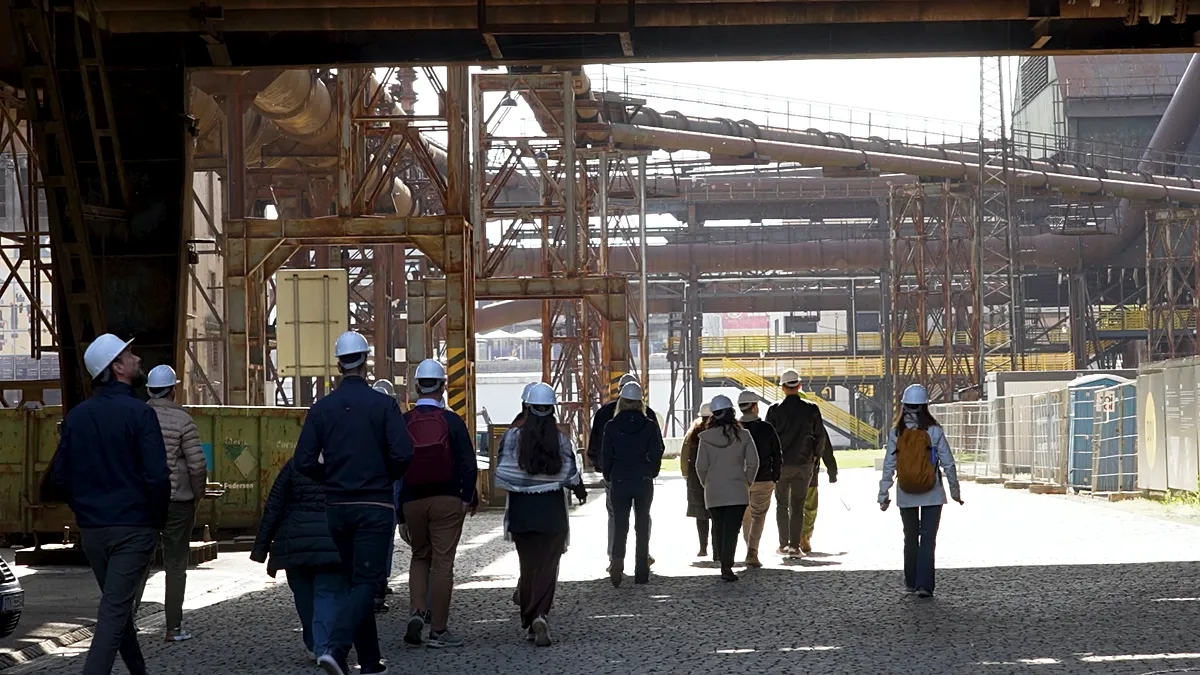
The Moravian-Silesian region in the Czech Republic has become a standout example of how industrial tourism can revitalize historical sites. Once the heart of Europe’s 19th-century industrial revolution, this area now invites visitors to step back in time through its well-preserved factories and workshops. A prime highlight is the Hyundai plant in Nošovice, which combines modern efficiency with historical significance. Guests can tour the facility, observing how robotic systems and human expertise work in harmony to produce high-quality vehicles. This experience not only showcases cutting-edge technology but also provides insight into the region’s industrial evolution.
“Our tours are free and available in multiple languages, allowing groups of up to 35 people to explore the site via an electric train,” explains Barbora Hermanová, Hyundai’s Public Relations Manager. “It’s a chance to witness how thousands of robots and skilled workers collaborate daily.”
Further east, in Ostrava, the Dolní Víktovice steelworks stand as a testament to the city’s industrial past. Originally closed in 1998, the site has undergone a remarkable transformation, featuring a museum, music festivals, and the iconic 80-meter Bolt Tower. According to Lucia Foltínková, who manages the site’s tourist offerings, the revitalization has brought significant attention: “We welcomed over 1.7 million people annually, with hundreds of school groups passing through each month.” These numbers highlight the growing appeal of industrial tourism as a way to connect with local history and innovation.
Preserving Craftsmanship in Industry
Industrial tourism isn’t confined to large-scale manufacturing. In the vicinity of Ostrava, the Bartosovice mill, constructed in 1678, offers a glimpse into centuries-old craftsmanship. This mill continues to operate using its original machinery, preserving the techniques and traditions that shaped the region’s economy. Visitors often express amazement at the blend of historical preservation and modern functionality: “I learned about the different grains processed here, and it’s fascinating to see how the mill has been preserved despite its age,” remarks a local tourist. Such experiences underscore the value of industrial tourism in celebrating heritage while fostering appreciation for traditional skills.
Across the European Union, the IndusTour project has expanded to include diverse regions like France’s Auvergne-Rhône-Alpes, Poland’s Łódź Voivodship, Denmark’s Tønder, Serbia’s Vojvodina, and Cyprus. In France, visitors can explore the historic factories of the Loire Valley, where coal mining and textile production once thrived. In Łódź, a former textile hub, industrial sites now host interactive exhibits and guided tours, drawing both locals and international travelers. Tønder in Denmark, known for its glass industry, has become a cultural hub where industrial history is intertwined with contemporary art. Meanwhile, Vojvodina in Serbia showcases the legacy of railways and coal mines, while Cyprus offers insights into shipbuilding and ancient trade routes. Each region brings its own story, enriching the global narrative of industrial tourism.
Industrial Tourism’s Role in Sustainability
One of the key benefits of industrial tourism is its potential to support sustainable travel. By redirecting tourists to industrial sites, it helps alleviate the environmental and social pressures faced by traditional attractions. Industrial tourism also encourages eco-friendly practices, as many of these sites incorporate green technologies and energy-efficient operations. For instance, the Hyundai plant in Nošovice uses renewable energy sources and has implemented waste reduction programs, aligning with the broader goals of the IndusTour project. These initiatives demonstrate how industrial tourism can contribute to both economic growth and environmental preservation.
Moreover, industrial tourism fosters a deeper connection between visitors and the local community. Unlike mass tourism, which often feels impersonal, these experiences are designed to highlight the human element behind industrial progress. Guided tours, workshops, and interactive exhibits allow travelers to engage with the history and culture of the sites they visit. This approach not only educates but also creates a sense of belonging, encouraging tourists to view these spaces as part of a living heritage rather than static relics. As more people discover the charm of industrial tourism