‘We have already given enough’: Bulgaria’s PM says weapons supplies to Ukraine will end
Bulgaria’s PM: ‘We Have Already Given Enough’ – Ending Army Weapon Supplies to Ukraine We have already given enough - Bulgarian Prime Minister Rumen Radev has

Bulgaria’s PM: ‘We Have Already Given Enough’ – Ending Army Weapon Supplies to Ukraine
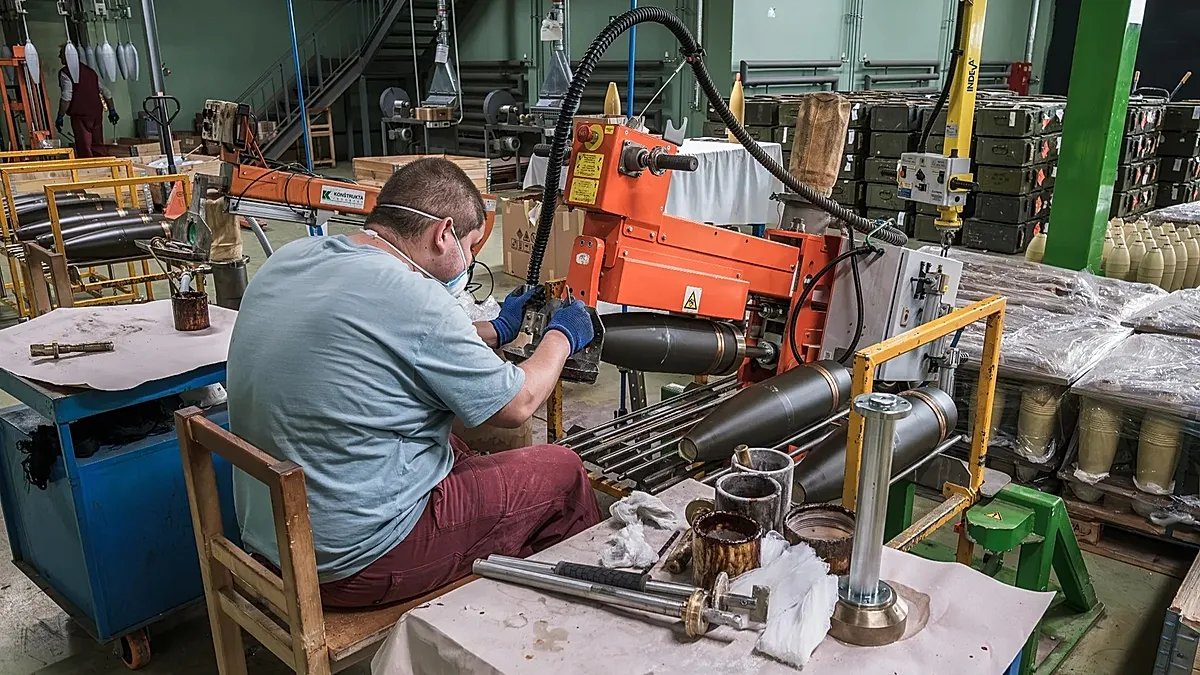
Poinews.com – Bulgarian Prime Minister Rumen Radev has declared that the country will no longer provide weapons from its military reserves to Ukraine, stating that Bulgaria has already contributed sufficient support to the conflict. In a recent announcement, Radev emphasized the need to transition from military aid to diplomatic initiatives to achieve a lasting resolution. He noted that while the supply of ammunition will continue, the use of Bulgaria’s own armed forces’ inventory for this purpose will cease, reflecting a strategic shift in the nation’s approach to the war.
The Rationale Behind the Decision
Radev, who assumed office in May after his party’s victory in parliamentary elections, has long advocated for dialogue with Russia and a balanced approach to international conflicts. His administration argues that the prolonged war has taken a significant toll on Bulgaria’s economy and society, with Radev asserting that military actions alone cannot secure peace. “We must now prioritize a comprehensive diplomatic strategy,” he stated, signaling a desire to focus on negotiations rather than continuous arms deliveries. This decision comes amid growing internal debates over the country’s role in the war and the sustainability of its current contributions.
“What we are witnessing is a war of attrition, and no matter how much weaponry is amassed, its only result is the loss of human lives,” said Dimitar Stoyanov, Bulgaria’s Defense Minister. “Ukraine needs more people, not more weapons. It has enough arms, so we do not plan to send additional supplies to the Ukrainian military.” Stoyanov’s remarks highlight the government’s belief that the conflict has reached a critical point where further military aid may not yield the desired outcomes.
Historical Context of Bulgaria’s Support
Bulgaria has been a consistent supporter of Ukraine since Russia’s full-scale invasion began in 2022, contributing Soviet-era equipment and other military assets to bolster Kyiv’s defenses. Initially, the country’s aid was seen as a crucial part of NATO’s collective security efforts, with shipments playing a vital role in Ukraine’s ability to counter Russian advances. However, political tensions have since led to most deliveries being routed through third countries to minimize domestic conflict. This change in logistics underscores the complex interplay between Bulgaria’s international commitments and its internal political dynamics.
Radev’s announcement marks a pivotal moment in Bulgaria’s stance on the war. While the country has not withdrawn from its support entirely, the cessation of direct military supply signals a desire to reduce its involvement. This decision aligns with broader discussions within the European Union about the long-term consequences of sustained arms shipments. Analysts suggest that Bulgaria’s move reflects a growing consensus among some European nations to evaluate the balance between military aid and diplomatic engagement, as the war enters its third year.
Strategic Implications and Future Plans
The shift in Bulgaria’s approach could have significant implications for both Ukraine and the broader NATO alliance. While the country’s defense industry will continue producing ammunition for Kyiv, the reliance on external sources may affect the speed and scale of future deliveries. Radev also outlined plans to increase defense spending to 5% of GDP by 2030, indicating a commitment to modernizing Bulgaria’s military capabilities. This dual strategy—maintaining support for Ukraine while strengthening domestic preparedness—highlights the government’s long-term vision for national security.
Public opinion in Bulgaria has been divided on the issue. Some citizens and political factions support the continuation of aid, citing solidarity with Ukraine and the strategic importance of the conflict. Others, however, argue that the war has become too costly and that Bulgaria should focus on its own interests. The center-right GERB party, led by former Prime Minister Boyko Borissov, has criticized the decision, calling it a setback for Bulgaria’s reputation as a reliable ally. Despite this, Radev maintains that the move is necessary to ensure the country’s long-term stability and to redirect resources toward diplomatic efforts.