Long-term fertiliser solutions needed to avoid EU food shortages, EU Agriculture Commissioner says
EU Urges Long-Term Fertiliser Solutions to Avert Food Shortages Long term fertiliser solutions needed to avoid - Christophe Hansen, the European Union’s

EU Urges Long-Term Fertiliser Solutions to Avert Food Shortages
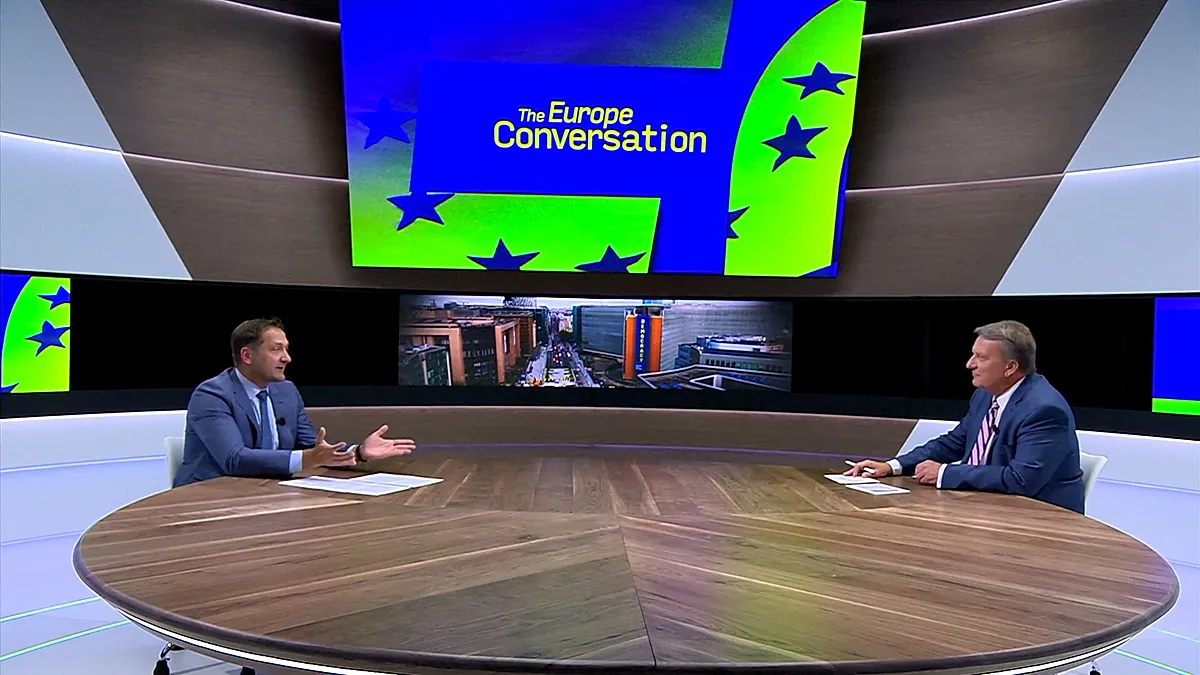
Poinews.com – Christophe Hansen, the European Union’s Commissioner for Agriculture and Food, has called for immediate and sustained investment in long-term fertiliser solutions to prevent food shortages across the bloc. With global supply chains under pressure and energy costs soaring, the EU risks becoming increasingly vulnerable to disruptions in essential agricultural inputs. Hansen’s comments during a recent interview on Euronews’ The Europe Conversation underscore the urgent need for strategic reforms to ensure long-term fertiliser solutions are both resilient and affordable for farmers.
The Fertiliser Crisis and Immediate Measures
As the EU grapples with the fertiliser crisis, the European Commission has introduced the Fertiliser Action Plan to provide short-term relief. This initiative includes a €500 million package to support farmers, with €200 million drawn from the Common Agricultural Policy (CAP) crisis reserve and an additional €300 million allocated for supplementary funds. While these measures offer temporary assistance, Hansen emphasized that they are merely a first step toward addressing deeper challenges in the fertiliser supply chain.
“Our immediate response is vital, but it must be complemented by long-term fertiliser solutions needed to secure the EU’s food supply. Without this, we risk a domino effect that could lead to widespread shortages,” Hansen stated.
The rising cost of fertilisers has already forced many European farmers to adjust their production strategies. Crops that require high nitrogen or phosphorus levels, such as wheat and corn, are becoming less economically viable, leading to reduced output. Hansen warned that without long-term fertiliser solutions needed to stabilize prices, the agricultural sector could face permanent shifts in crop diversity and yield, with serious consequences for food security.
Global Dependencies and Supply Chain Vulnerabilities
The EU’s reliance on imported fertilisers has become a critical point of vulnerability. Over 40% of the fertilisers used in member states come from outside the bloc, particularly from countries in the Middle East and North Africa. This dependency, exacerbated by geopolitical tensions and energy price fluctuations, has left the agricultural sector exposed to unpredictable market conditions. Hansen highlighted that this situation is not just about costs—it’s about control and stability over the food supply chain.
“Food is a basic necessity, and its availability should not depend on volatile global markets. We must ensure long-term fertiliser solutions needed to keep it accessible for all Europeans,” he added.
The energy crisis, triggered by Russia’s invasion of Ukraine, has further strained the fertiliser industry. Natural gas, a primary component in producing nitrogen-based fertilisers, has seen prices spike by 60% between 2020 and 2024. This has not only increased production costs but also reduced the EU’s capacity to manufacture fertilisers domestically. Hansen stressed that the crisis is compounded by a lack of diversified suppliers and the need for long-term fertiliser solutions needed to address these systemic issues.
Strategies for Sustainable Fertiliser Use
To reduce dependence on imports, the Commission is promoting sustainable fertiliser use through initiatives like organic fertiliser production and improved nutrient recycling. These strategies aim to enhance efficiency, lower costs, and minimize environmental impact. Hansen noted that adopting precision farming techniques could also play a key role in optimizing resource use and ensuring long-term fertiliser solutions needed for the future.
“We have the tools to create a more resilient system. The challenge is to implement them quickly and consistently, ensuring long-term fertiliser solutions needed are part of our broader agricultural strategy,” he explained.
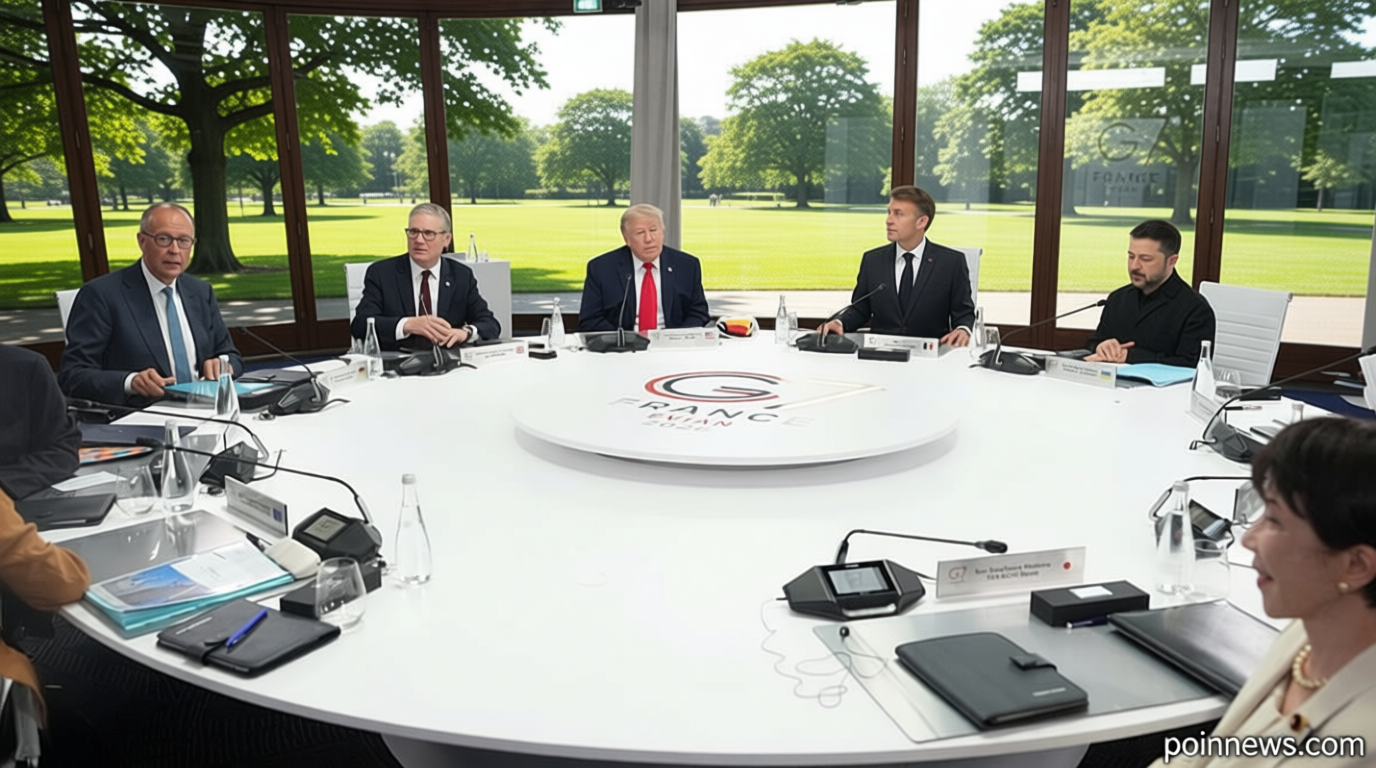
Collaboration with international partners is seen as another critical step. Recent discussions with G7 agriculture ministers have focused on coordinating efforts to stabilize fertiliser prices and secure supply chains. Hansen argued that while these measures may carry upfront costs, they are essential for long-term affordability and security. “This will be less expensive than being over-dependent in the medium and long term,” he concluded.
The Commission’s plan also includes investments in research and innovation to develop alternative fertiliser sources and reduce reliance