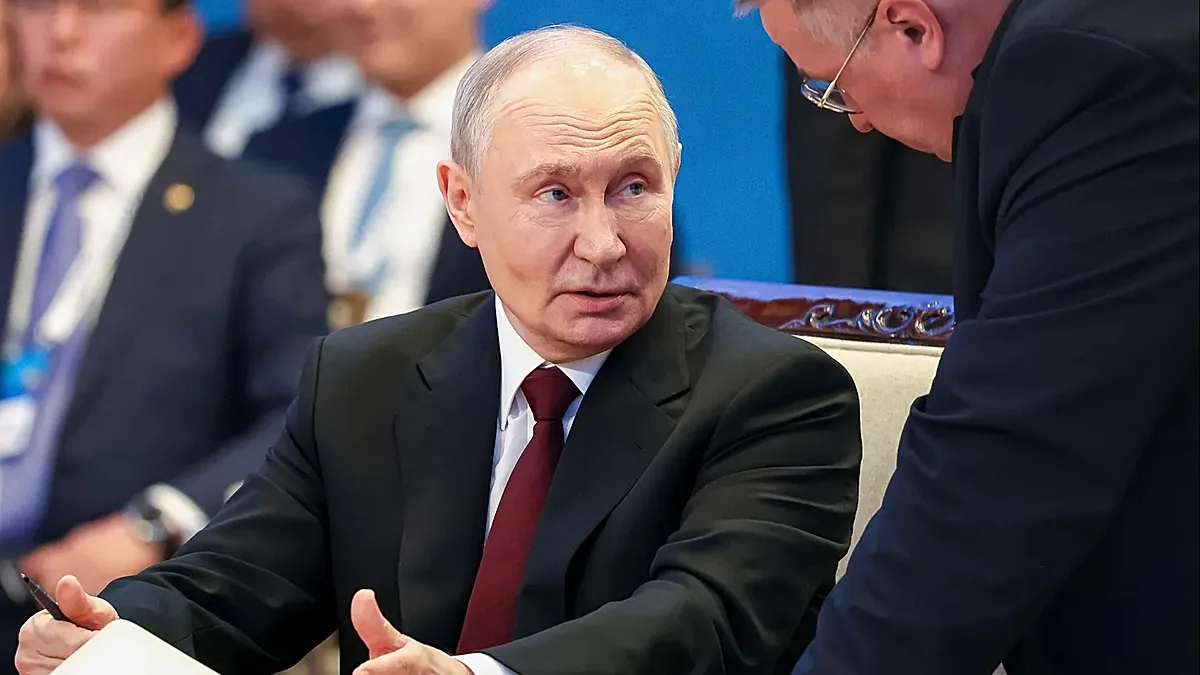
Former Venezuelan President Nicolas Maduro and his wife look to end drug charges on immunity grounds
The legal battle over whether a sitting foreign head of state can be tried in an American courtroom has taken a sharp turn in Manhattan federal court. Nicolás

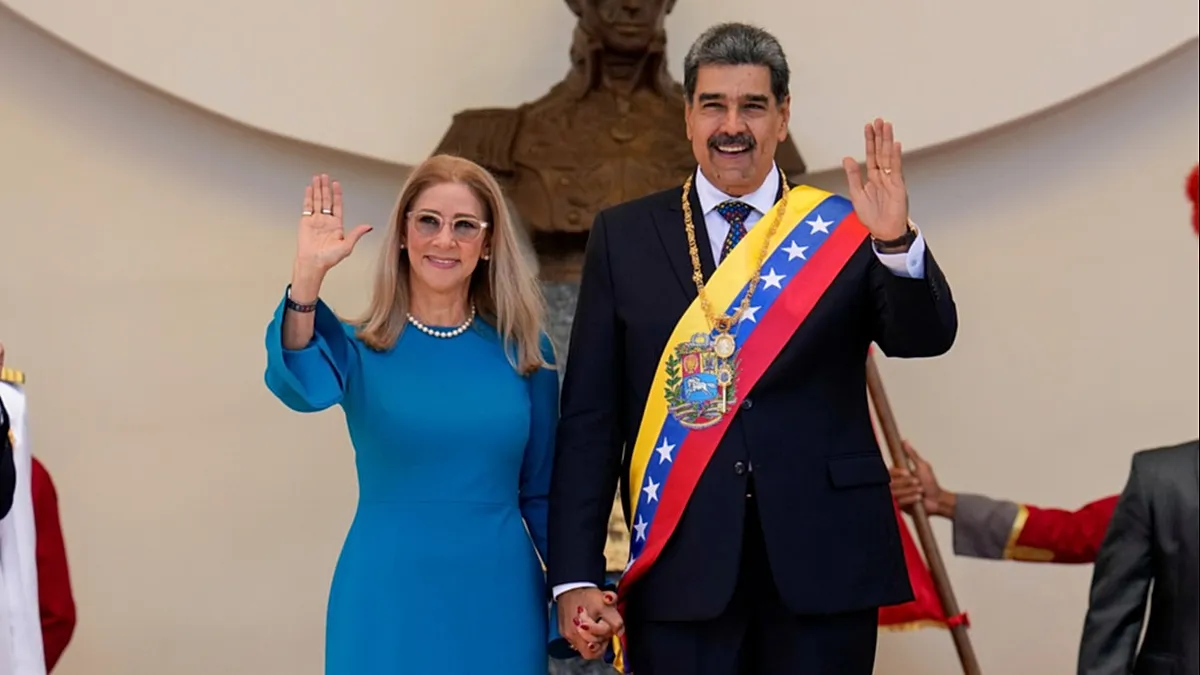
Table of Contents
Maduro and Flores Invoke Sovereign Immunity to Seek Dismissal of Manhattan Drug Case
Poinews.com – The legal battle over whether a sitting foreign head of state can be tried in an American courtroom has taken a sharp turn in Manhattan federal court. Nicolás Maduro, 63, the former president of Venezuela, and his wife Cilia Flores, 69, formally requested on Wednesday that Judge Alvin K. Hellerstein throw out the drug-trafficking indictment against them. Their attorneys grounded the motion in a principle of international law that stretches back centuries: a recognized head of state cannot be hauled before the criminal courts of another sovereign nation.
The Immunity Argument
In filings submitted to the court, Maduro’s legal team contended that the law compels a judge to reject any indictment directed at a foreign leader while that leader holds office and is acknowledged by their own government as the sitting head of state. The lawyers framed their position in historical terms, arguing that the absence of such prosecutions is not merely a pattern but a binding norm.
“No American court has ever presided over the criminal trial of a foreign leader who was recognised by their own country as the sitting head of state at the time the charges were brought,” the lawyers wrote. “That is not an accident of history. It reflects a rule older than the common law: heads of state are exempt from the criminal process of any national court but their own.”
Flores’s attorneys filed a parallel motion the same day, asserting that she too enjoys protection from U.S. prosecution under the doctrine of sovereign immunity. Their filing emphasized that the immunity in question belongs not to the individual but to the state itself.
“It is an attribute of Venezuela’s sovereignty, and only Venezuela may surrender it,” her lawyers wrote.
Maduro’s team also layered in a secondary argument: even if the court were to find that he lacks head-of-state immunity, the case should still be dismissed because he qualifies for what is termed conduct-based sovereign immunity — protection attached to official acts performed in the capacity of a government leader.
Circumstances of the Capture
The pair have been detained at a Brooklyn jail since early January, when U.S. forces executed a pre-dawn raid on their residence in Caracas. They were removed from the home in the middle of the night and transported to New York. The Trump administration characterized the operation as a “surgical law enforcement operation,” a framing designed to underscore its legality and precision. Maduro, by contrast, has described himself as a prisoner of war and labeled his seizure a kidnapping — language that underscores the extraordinary constitutional questions now before the court.
Trial Timeline and Procedural Posture
Judge Hellerstein has scheduled oral arguments on the dismissal motions to begin on 17 November. If the court denies the motions, Maduro and Flores are set to face a jury trial on the drug-trafficking counts beginning 1 June of next year. Federal prosecutors are expected to file their response to the immunity arguments later this month.
Both defendants have entered not-guilty pleas in a criminal matter originally initiated six years ago against a broader circle of alleged co-conspirators. The indictment alleges a conspiracy to funnel cocaine into the United States, with Maduro accused of coordinating with Venezuelan law-enforcement officials to facilitate the operations of major drug traffickers. Prosecutors describe the scheme as involving thousands of tonnes of cocaine moved across the border. A conviction would expose each defendant to a potential life sentence.
“If this case were to proceed to trial, it would be apparent that he has been falsely accused,” Maduro’s lawyers said, adding that their client “vehemently denies the allegations against him.”
Broader Implications
The case sits at the intersection of domestic criminal law and the international order of state sovereignty. If a court were to allow the trial to move forward against a former head of state who was, at the time charges were filed, still recognized by his own government as sitting president, it would mark a departure from a practice that has held for generations. Conversely, a dismissal on immunity grounds would raise questions about how long such protection persists after a leader leaves office, and whether a foreign government’s continued recognition of that leader’s status can shield him indefinitely from foreign prosecution.
The outcome will also carry diplomatic weight. Venezuela’s position, as articulated through Flores’s counsel, is that the immunity is inseparable from the state itself and cannot be waived by any party other than Caracas. That framing places the Venezuelan government in a direct role in the American proceeding — a dynamic that complicates the usual separation between a sovereign’s internal affairs and another nation’s judicial process.
For readers following the case, the November oral arguments will be the first substantive test of whether the court accepts the premise that a foreign leader’s status at the moment charges are filed is dispositive. The answer will shape not only the fate of two individuals held in a Brooklyn cell but also the boundaries of sovereign immunity in an era when heads of state are increasingly subject to cross-border legal claims.
Related Reading
Frequently Asked Questions
What is Former Venezuelan President Nicolas Maduro and his?
Former Venezuelan President Nicolas Maduro and his is the main topic of this guide. The article explains the context, practical details, and next steps readers should understand.
Why does Former Venezuelan President Nicolas Maduro and his matter?
Former Venezuelan President Nicolas Maduro and his matters because readers are looking for a useful answer, not just a short summary. Good content should match search intent and help them decide what to do next.