Euroviews. A turning point: Why Germany’s military capabilities are underestimated
Euroviews: A Turning Point in Germany's Military Role Euroviews A turning point has emerged as Germany's military capabilities gain newfound recognition

Euroviews: A Turning Point in Germany’s Military Role
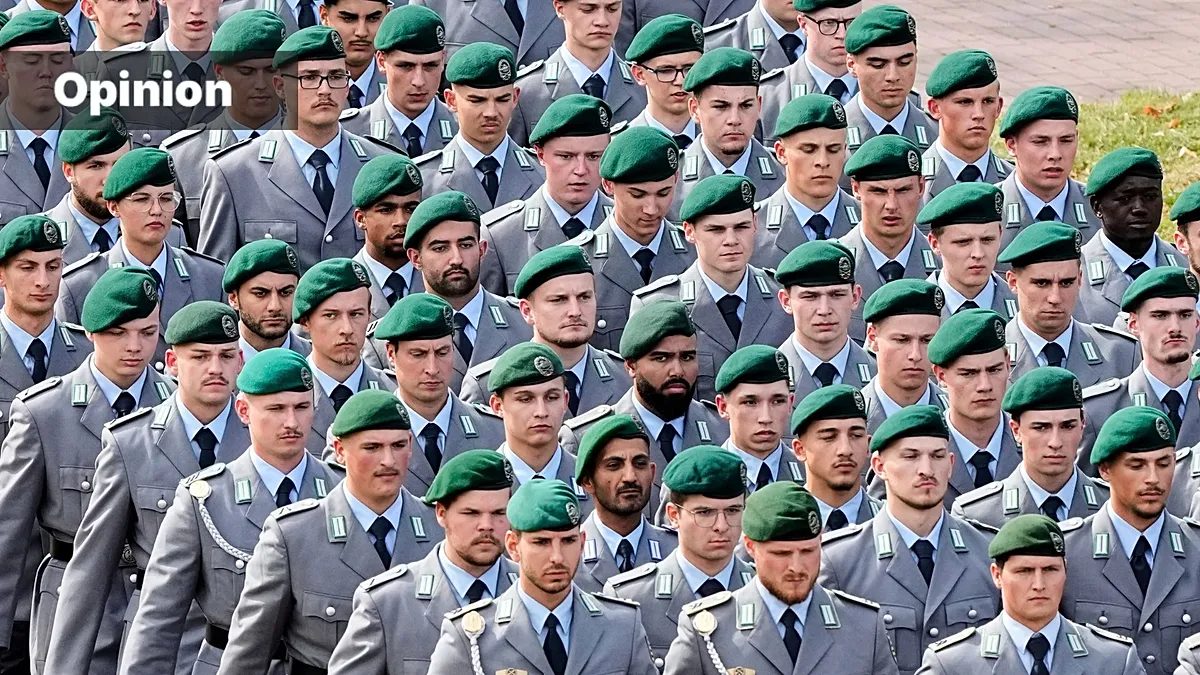
Poinews.com – Euroviews A turning point has emerged as Germany’s military capabilities gain newfound recognition across Europe. With Russia’s ongoing aggression in Ukraine and its expanding hybrid warfare tactics, the United States has reduced its traditional security commitments, creating a pivotal moment for Germany to redefine its position on the continent. Recent years have seen the country invest heavily in its defense infrastructure, positioning itself as a critical ally in the region. This shift not only reflects a growing awareness of geopolitical realities but also highlights Germany’s evolving role in safeguarding European stability.
Redefining Military Readiness
The perception of Germany as a hesitant military power is slowly fading. While public opinion polls continue to show a majority of citizens reluctant to volunteer for combat, these numbers are not as telling as they seem. The Bundeswehr’s Centre for Military History and Social Sciences (ZMSBw) emphasizes that when adjusted for population size, Germany’s mobilization potential remains robust. With an estimated 83 million people, the nation’s capacity to deploy resources and personnel is greater than that of many smaller states, such as Finland or Lithuania, which have under six million residents.
Germany’s military investments have been substantial, including the procurement of advanced weaponry like the Leopard 2 tanks and the expansion of its rapid response forces. These efforts align with its commitment to increasing defense spending, which has risen to 1.7% of GDP in recent years—well above the 1.5% target set by NATO. Such progress underscores a strategic realignment that positions Germany as a key player in European defense, rather than a passive observer.
A Holistic Approach to National Security
Germany’s defensive strength is not confined to its armed forces. The country’s approach to security integrates civil society, industry, and institutional collaboration, forming a resilient network that supports military operations. Civil protection initiatives, for instance, have seen significant public support, with citizens actively participating in disaster response and infrastructure maintenance. This societal engagement complements the military’s efforts, ensuring a multifaceted defense strategy that transcends traditional combat roles.
The article argues that resilience in national security is measured not only by willingness to fight but also by the ability to mobilize across sectors. Ukraine’s experience demonstrates that sustained defense requires unity in action, from industry to grassroots efforts. Germany’s current trajectory suggests it is increasingly adopting this holistic vision, combining military preparedness with civilian contributions to fortify its role as a European defense leader.
Public Sentiment and Policy Shifts
Since 2022, there has been a notable shift in public sentiment toward Russia. Over 60% of Germans now view the nation as a direct threat to their security, a perception that has driven support for major defense policies. This includes a 64% approval rate for increased defense spending and a 53% endorsement for reinstating conscription—a sign of a broader national consensus on military preparedness. These figures contrast sharply with earlier debates that framed Germany as reluctant to embrace military engagement.
Euroviews A turning point is also evident in the country’s diplomatic and military coordination with allies. Germany has played a leading role in NATO’s response to Russian threats, participating in joint exercises and contributing to collective defense mechanisms. This collaborative approach reinforces its status as a reliable partner, demonstrating that its military capabilities are not only adequate but increasingly essential to European security.
Comparative Insights and Future Prospects
When compared to other European nations, Germany’s defense capabilities stand out. While Nordic and Baltic countries exhibit higher rates of individual combat readiness, Germany’s larger population and industrial base offer a unique advantage in sustained operations. For example, its automotive industry has adapted to produce military vehicles, and its energy sector has bolstered strategic independence, reducing reliance on vulnerable supply chains.
Looking ahead, Germany’s commitment to military modernization and societal mobilization signals a long-term strategy. The country’s recent investments in cyber defense and space capabilities further illustrate its willingness to adapt to evolving security challenges. As Euroviews A turning point, this evolution marks Germany’s transition from a peace-oriented nation to a proactive defender, ensuring it can meet the demands of a shifting geopolitical landscape.