Philippines continues rescue effort after powerful Mindanao quake
Philippines continues rescue effort after powerful Mindanao quake Philippines continues rescue effort after powerful - Following the devastating June 8

Philippines continues rescue effort after powerful Mindanao quake
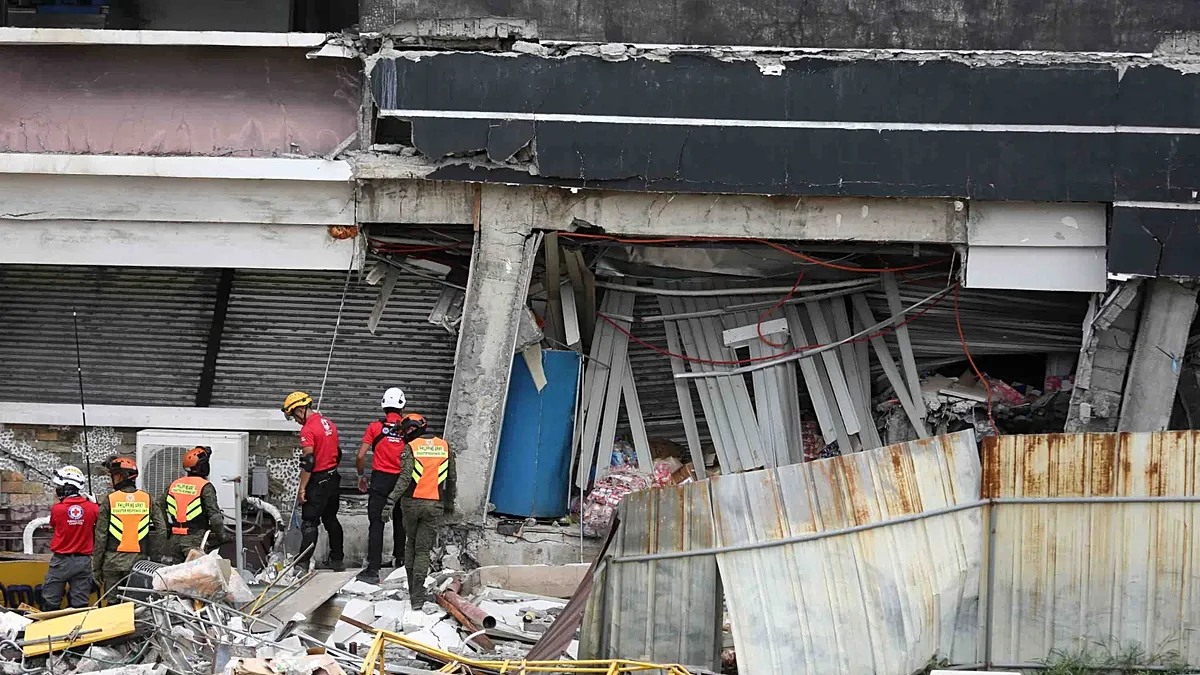
Poinews.com – Following the devastating June 8 earthquake in Mindanao, the Philippines has intensified its rescue operations to address the widespread damage and ongoing risks in the affected regions. The focus keyword “Philippines continues rescue effort after” underscores the nation’s unwavering commitment to recovering from the seismic event, which struck with a magnitude of 7.1 on the Richter scale. With over 1,200 rescue workers deployed to the disaster zone, including support from international teams such as Japan and Australia, efforts are being coordinated to search for survivors and stabilize critical infrastructure. Despite the initial reports of only four individuals being officially accounted for missing, officials emphasize that the search is far from over, as numerous buildings remain structurally compromised, posing potential dangers to trapped individuals.
Immediate Impact and Response
The earthquake, centered in the southern part of the Philippines, caused significant disruptions, with General Santos emerging as one of the hardest-hit cities. The population of this city, which exceeds 700,000, faced severe challenges as collapsed structures and debris claimed at least 13 lives. Thousands of residential, educational, and public buildings were damaged, with early estimates indicating over 3,100 homes were destroyed. Additionally, 145 public structures, including 12 hospitals and 89 schools, sustained critical damage, affecting the daily lives of countless residents. The scale of destruction has prompted local authorities to mobilize resources quickly, ensuring that emergency services can respond to the urgent needs of the population.
Communication and transportation networks were severely impacted, leaving many areas isolated and complicating rescue efforts. Roads in several towns were blocked by rubble, while major highways faced partial obstructions, delaying the delivery of essential supplies. Power outages affected approximately 280,000 households across six provinces, adding to the challenges of coordinating relief operations. To mitigate the effects of these disruptions, the government has established temporary ferry services, enabling aid to reach remote communities. This proactive approach highlights the Philippines’ ability to adapt swiftly to the crisis, even in the face of logistical hurdles.
International Collaboration and Local Mobilization
The scale of the disaster has prompted a coordinated international response, with Japan and Australia playing key roles in supporting the Philippines’ recovery efforts. Japanese rescue specialists have been deployed to assist in search-and-rescue operations, while Australian teams have provided technical expertise and resources. These collaborations are crucial in ensuring that the relief efforts are both efficient and comprehensive. Meanwhile, local authorities have set up 47 evacuation centers to house roughly 18,000 displaced residents, offering shelter and basic necessities. The allocation of 500 million pesos for urgent disaster response further demonstrates the government’s prioritization of immediate needs, such as food, water, and medical care.
President Ferdinand Marcos Jr. has activated a national disaster status in the affected provinces to streamline recovery initiatives and allocate resources effectively. This declaration enables the government to expedite the distribution of aid and coordinate with various agencies, including the military and disaster management organizations. In addition to physical infrastructure, the quake has also disrupted essential services, such as electricity and water supply, requiring targeted interventions to restore normalcy. The presence of the World Health Organization and other international bodies underscores the global recognition of the Philippines’ vulnerability to natural disasters and the importance of a unified response.
Psychological assistance programs have been launched to support families and children affected by the quake, addressing both the immediate and long-term emotional needs of the population. These programs aim to provide counseling and trauma relief, ensuring that the human toll of the disaster is not overlooked. As communities prepare for an extended rebuilding phase, the focus keyword “Philippines continues rescue effort after” remains central to the ongoing narrative. The resilience of the Filipino people, combined with the country’s strategic partnerships, is expected to play a pivotal role in overcoming the aftermath of this powerful quake.
As the rescue operations continue, officials are working to assess the full extent of the damage and prioritize areas with the most urgent needs. The presence of 78 suspended domestic routes at General Santos International Airport has been a significant setback, but partial reopening on June 10 for emergency flights indicates progress. Safety evaluations at approximately 6,000 schools are also underway, with the goal of resuming classes as soon as possible. The challenge lies not only in restoring infrastructure but also in ensuring the safety of schools and hospitals, which are vital to the recovery of affected communities.
“The Philippines continues rescue effort after the quake to protect lives and rebuild trust in our systems,” said a spokesperson for the National Disaster Risk Reduction and Management Council. “Every moment counts, and we are committed to supporting those impacted by this unprecedented event.”