Infantino defends World Cup ticket prices, says fans ‘should chill’ about ref denied US entry
Infantino Defends World Cup Ticket Prices, Says Fans 'Should Chill' Over Refusal of US Entry Infantino defends World Cup ticket prices - FIFA President Gianni

Infantino Defends World Cup Ticket Prices, Says Fans ‘Should Chill’ Over Refusal of US Entry
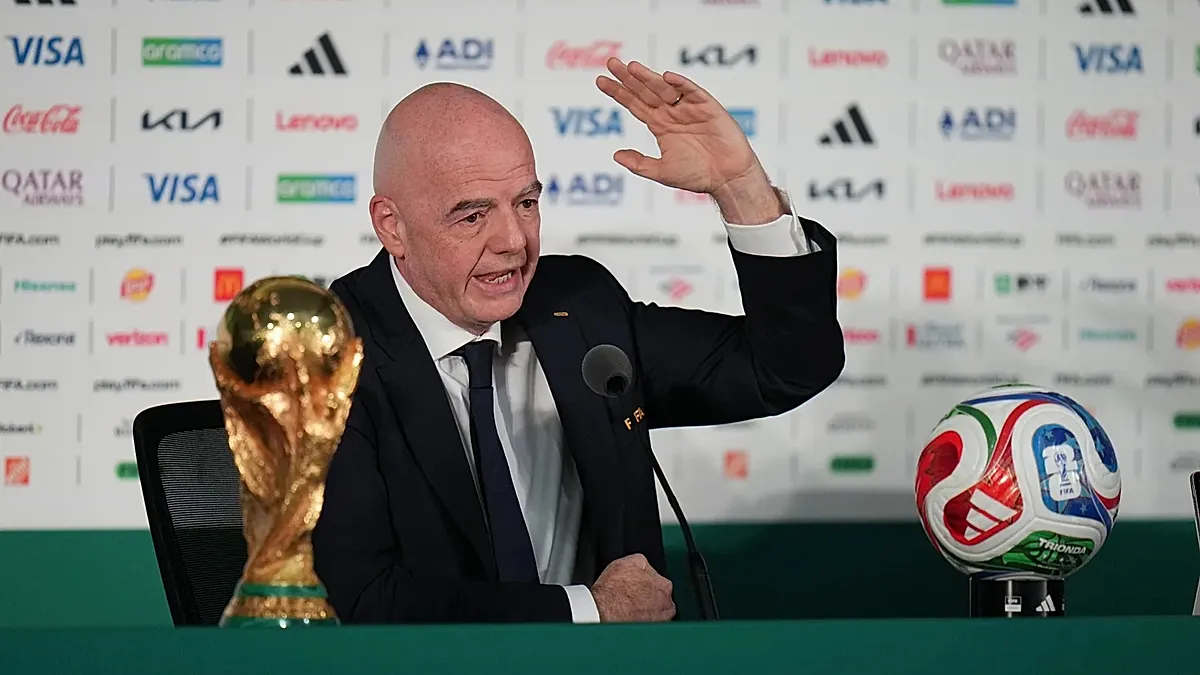
Poinews.com – FIFA President Gianni Infantino has staunchly defended the pricing of World Cup tickets, assuring fans that the costs are justified and urging them to “chill” about the recent denial of entry for Somali referee Omar Artan. The tournament, which will feature 48 nations and 104 matches, kicks off on June 10, with ticket prices varying from $140 (€121) for standard seating to an eye-watering $32,970 (€28,556) for the final game in New Jersey. Infantino emphasized that the pricing strategy aligns with global standards, highlighting that the average ticket cost remains under $500 (€433) when factoring in all levels of access.
Price Increases and Fan Reactions
Following initial criticism, FIFA announced a revised pricing structure, with final tickets now priced at $32,970 (€28,556) after previous hikes. Infantino argued that the prices reflect the global demand for the event, which he called a “unique opportunity” for fans worldwide. He pointed to the success of U.S. sports playoffs as a comparable example, noting that while resale prices may exceed the listed cost, the base rate remains affordable for most supporters. “We are not alone in this,” he said, acknowledging that even in North America, ticket costs for major events are often inflated.
To address affordability concerns, FIFA allocated 130,000 discounted tickets at $60 (€51) to national federations. These tickets, reserved for loyal fans, account for a fraction of the total 6-7 million available. Infantino stressed that this measure ensures access for a broader audience, while still covering the operational expenses of hosting the world’s most prestigious football competition. “The goal is to balance quality with affordability,” he explained, though he admitted that the final’s high price tag could raise eyebrows among casual viewers.
Referee Entry Controversy and Diplomatic Tensions
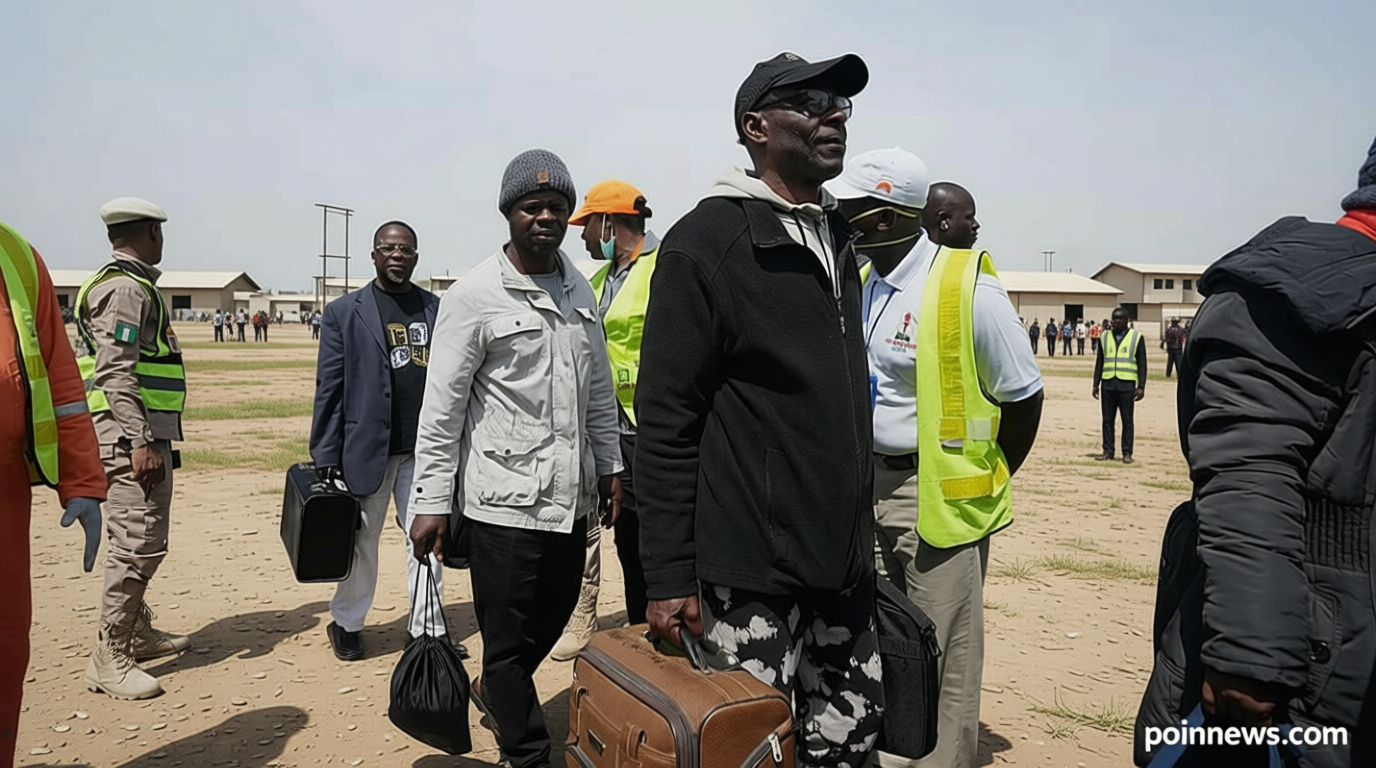
The incident involving Somali referee Omar Artan, who was denied U.S. entry at Miami International Airport, has sparked diplomatic discussions. Artan, who had a valid visa, was reportedly turned back due to suspicions of ties to terrorist groups. This marked the first time a Somali official would have been part of the World Cup, a milestone the Confederation of African Football had anticipated for 2025. Infantino, while not directly commenting on the entry denial, framed it as a minor setback compared to the broader focus on the tournament’s economic and logistical aspects.
“We don’t live on the moon, we live on planet Earth,” Infantino remarked, reiterating FIFA’s commitment to global engagement. “We always try to make the situation as positive as possible and find solutions,” he added, while acknowledging that sometimes external factors, like visa policies, can disrupt plans. Despite these challenges, the World Cup remains on track to commence as scheduled, with Infantino expressing confidence in its organization and fan appeal.
Artan’s return to Somalia was met with cheers from thousands of supporters in Mogadishu, who celebrated his resilience. The referee, undeterred by the setback, vowed to “continue making Somalia proud” in future tournaments. Meanwhile, U.S. officials cited security concerns as the primary reason for the entry denial, though FIFA has not yet commented on whether the decision will affect the tournament’s operations or its perception among international fans.
Infantino’s defense of World Cup ticket prices has also drawn attention to the broader economic impact of hosting the event. With the U.S. being one of the primary host nations, the pricing strategy has become a focal point for discussions about accessibility and value. Fans from North America, a key market, have expressed mixed reactions, with some praising the pricing as reasonable and others calling for further transparency. The president’s assurance that the ticket costs are “accurate for resale” has been met with skepticism, as many argue the listed prices do not reflect the actual expenses for attendees.
As the World Cup approaches, the interplay between ticket pricing and diplomatic issues underscores the multifaceted challenges of organizing such a massive global event. Infantino’s efforts to reassure fans that the costs are fair, coupled with FIFA’s proactive legal approach, aim to mitigate concerns. While the U.S. entry denial for Artan adds a layer of complexity, Infantino has maintained that the tournament’s success is not contingent on such minor obstacles. “We welcome every investigation,” he stated, reinforcing FIFA’s commitment to transparency and international cooperation.